

As an Amazon Associate we earn from qualifying purchases. If you buy through links on this page we may receive a commission at no extra cost to you. Product details come from Amazon listings and can change.
If you are searching for the best headphones high end buyers can pick up today, this guide gives you nine premium over-ear models to compare in one place. The list mixes flagship wireless noise cancelling headphones, a luxury design from a famous Danish brand, and a wired open-back set for critical listening. Each one is aimed at a slightly different kind of listener.
The guide is written for audiophiles who want refined sound, commuters who fly or ride trains every week, remote workers who spend hours on calls, and creators who need a trustworthy reference. We cover drivers, noise cancelling, codecs, battery life, comfort and call quality, then explain which type of listener should choose each model.
Prices for premium headphones move often because of sales, new colors and newer generations arriving. For that reason we do not print prices here. Every product links to its live listing, so you can see the current price, color options and availability before you decide.
Our top pick is the Sony WH-1000XM6 for its strong noise cancelling, call clarity and all day comfort. Audiophiles should look at the Sennheiser HDB 630 for wired lossless listening and parametric EQ, while the Nothing Headphone (1) wins for long battery life and a distinctive design.
Key Takeaways
Best Headphones High End at a Glance
| Product | Our score | |
|---|---|---|
| 8.4 / 10 | Check Price → | |

Sennheiser HDB 630 Wireless Headphones incl. Hi-Res BT DongleBest for Audiophiles
|
9.7 / 10 | Check Price → |

Sennheiser Momentum 5 Wireless HeadphonesBest for Longevity
|
8.6 / 10 | Check Price → |

Bose QuietComfort Ultra Bluetooth HeadphonesBest for Immersive Sound
|
8.4 / 10 | Check Price → |

Nothing HeadphoneBest Battery Life
|
8.6 / 10 | Check Price → |

Bang & Olufsen Beoplay H95 Over-Ear Wireless HeadphonesBest Luxury Design
|
8.4 / 10 | Check Price → |

Bose QuietComfort HeadphonesBest for Comfort and Style
|
9.4 / 10 | Check Price → |

Sony WH-1000XM5 Premium Noise Cancelling Wireless HeadphonesBest Value Flagship
|
8.4 / 10 | Check Price → |

beyerdynamic DT 990 Pro XBest Open-Back Pick
|
9.0 / 10 | Check Price → |
How We Chose the Best Headphones High End
This is a research based guide, not a lab comparison. We read each listing closely, studying the title, the feature bullets, the stated specs and the intended use case. We then compared those details against well known headphone technology such as driver design, active noise cancelling, Bluetooth codecs, open-back versus closed-back construction and ear pad materials.
We only call something high end when the listing points to premium drivers, strong noise control, quality materials, long battery life or reference style tuning. Each pick also carries an editorial score out of 10, shown in the table above. Specs can change between production runs, so always confirm the details on the live listing.
In-Depth Reviews
1Sony WH-1000XM6 The Best Noise Cancelling Wireless Headphones
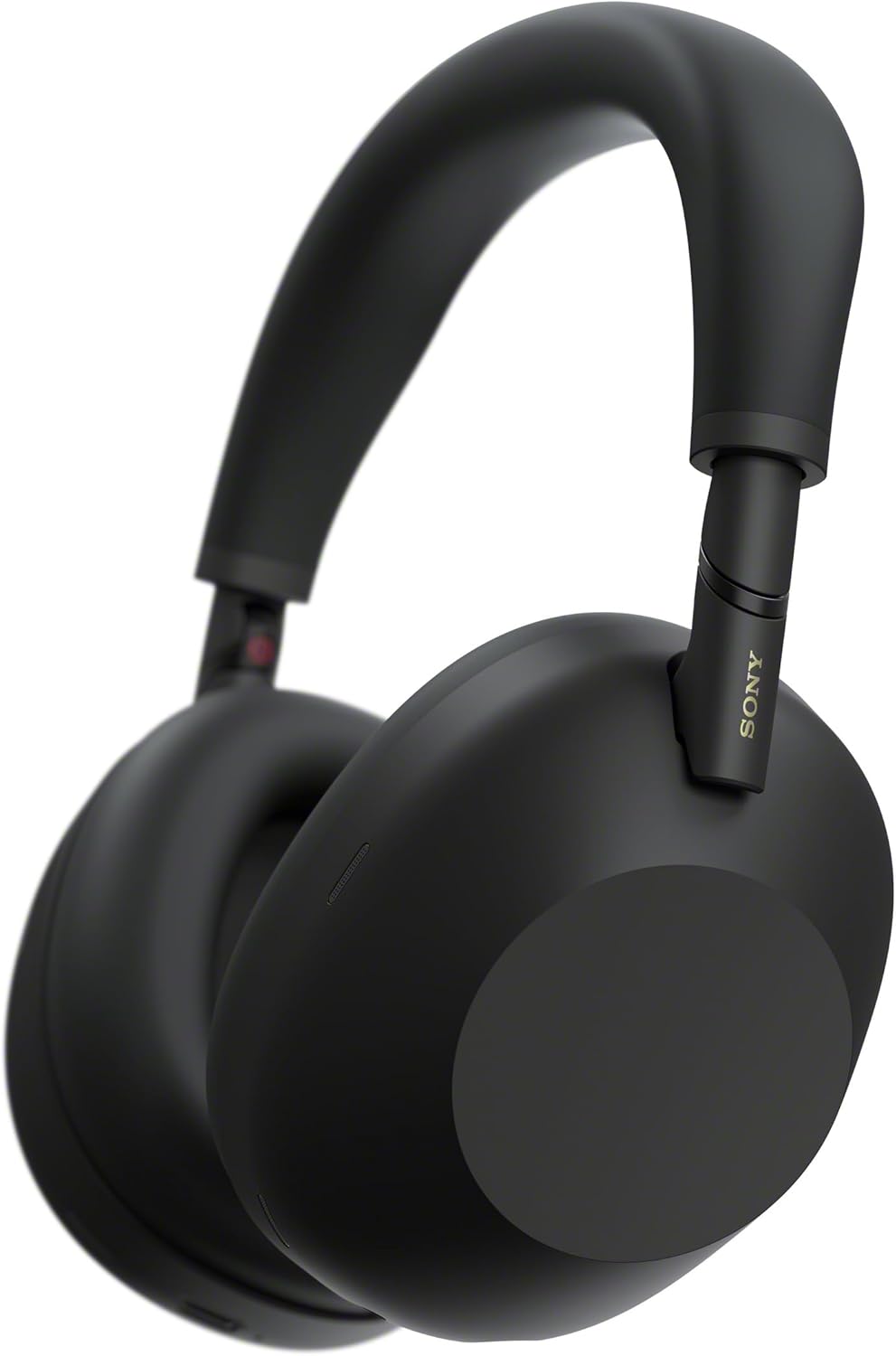
The Sony WH-1000XM6 takes the top spot because it brings together the things premium shoppers ask for most. The listing highlights an advanced noise cancelling system, a driver with a carbon fiber dome, a foldable body and a six-microphone calling setup. It is the most complete package in this group, which makes it an easy recommendation for anyone who wants one pair of headphones that handles flights, office work and relaxed evening listening without compromise. That broad appeal is the main reason it sits first in this ranking.
Under the hood, the listing mentions the HD Noise Canceling Processor QN3, which Sony says is seven times faster than the older QN1 chip. That processor manages twelve microphones in real time, so the headphones can adjust to changing noise around you. The driver was developed with mastering engineers, and the carbon fiber dome is meant to keep vocals and fine detail clear. Calls use a beamforming mic array with wind resistance. Mastering engineers helped shape the tuning, which hints at a focus on accuracy over hype.
This model suits frequent travelers, open-plan office workers and commuters who want strong quiet on demand. The foldable metal build and compact magnetic case make it easy to slip into a backpack. Students can use it in a library or on a noisy bus, and remote workers will like the call system. Anyone who prefers a plain, neutral cabled sound may want to look at the open-back option later in this list. Frequent callers get a real benefit from the wind resistant microphone design.
As with any premium wireless set, a few practical points apply. Check the listing for the exact color and bundle before buying, and keep software updated through the companion app for the latest tuning options. The wider asymmetrical headband is designed for comfort, but people with larger heads should confirm fit in the return policy. Keep listening volume moderate on long sessions, since strong noise cancelling lets you hear well at low levels. Always read the full bundle details on the live listing before ordering.
Strong adaptive noise cancelling
Clear call pickup
Foldable design with hard case
Wide headband for long sessions
Premium level cost
Bulky for very small bags
2Sennheiser HDB 630 Wireless Headphones incl. Hi-Res BT Dongle
The Sennheiser HDB 630 is the pick for listeners who care about fidelity first and features second. The listing describes an audiophile tuning built around the brand’s own 42 mm transducer, with neutral mids and a wide, natural soundstage. It also ships with a Hi-Res Bluetooth dongle, the BTD 700. That bundle is why it earns a place near the top, since few wireless sets are built around lossless playback in such a direct way. Few rivals pair a dongle and a digital wired mode this neatly.
Connectivity is the headline feature here. Wireless listening supports aptX HD and aptX Adaptive, and the listing says results are best when paired with the included BTD 700 adapter. For the cleanest signal, a USB-C connection delivers lossless audio up to 24-bit and 96 kHz. A parametric equalizer lets you pick frequency bands, widths and filters, so you can shape bass or vocals the way a mastering engineer would on a studio desk. Careful listeners will enjoy hearing how minimal processing keeps recordings honest.
This model suits people who own lossless libraries, stream in high resolution or use a laptop and want a clean digital path. It also works for travelers, because adaptive noise cancelling and a Transparency Mode sit alongside the audiophile features. Fast charging helps on busy days, since the listing says ten minutes adds up to seven hours of playback. Equalizer fans will enjoy the control that most mainstream headphones do not offer. It also helps that the battery can power long weeks of work and travel.
A few caveats are worth noting. Aptitude with codecs depends on your phone or computer, so check that your source supports aptX before expecting the top wireless quality. Parametric EQ is powerful but can feel technical for casual listeners, so start with small changes. The dongle is a small item to keep track of while traveling. As always, keep the volume at a comfortable level, even when the sound is clean and detailed. Treat the first week as a tuning period while you learn the equalizer.
Lossless USB-C listening
Parametric EQ control
Very long battery life
Dongle included in the box
EQ takes time to learn
Dongle is easy to misplace
3Sennheiser Momentum 5 Wireless Headphones
The Sennheiser Momentum 5 earns its slot by focusing on sound character and long term ownership. The listing describes a 42 mm driver inspired by the well loved HD 600 line, tuned for clarity, detail and natural balance at any volume. Add hybrid adaptive noise cancelling and a battery that you can replace, and you get a premium wireless pair that is designed to last for years instead of a few seasons. That repair friendly approach is rare among wireless models.
Feature wise, the listing names aptX Lossless, aptX Adaptive and AAC, which gives phone and computer users many ways to get detailed wireless audio. Hybrid adaptive ANC uses eight digital microphones and is said to be up to three times stronger in the midrange than the previous Momentum 4 Wireless. Natural Transparency lets in your surroundings without breaking the mood, and an Anti Wind Mode helps outdoors. Its roots in a classic reference driver should please long time fans of the brand.
This headset fits people who keep gadgets for a long time and care about waste. It is also a smart choice for music lovers who want a warm, polished presentation rather than a bright one. Travelers benefit from the stated 57 hours of playtime with noise cancelling on, which can cover several long trips between charges. It also suits students and office workers who like a single device for music, lectures and calls. The replaceable cell is a fine reason to choose it over throwaway gadgets.
Before buying, confirm that your source device supports the codec you want, because aptX Lossless needs compatible hardware on both ends. A replaceable battery is a great feature, but check how the replacement is sourced and whether it is user serviceable in your region. Over-ear designs can feel warm in summer, so try them for a few hours at home. Follow safe listening habits and avoid pushing volume to loud levels. Pairing it with a phone that supports lossless codecs is the best way to enjoy it.
Replaceable battery design
Wide codec support
Natural sounding transparency
Roughly 57 hours with ANC
Lossless needs matching gear
Over-ear can feel warm
4Bose QuietComfort Ultra Bluetooth Headphones
The Bose QuietComfort Ultra Bluetooth Headphones (2nd Gen) are the go-to choice for people who want sound that feels bigger than a normal stereo pair. The listing leads with spatialized audio, which aims to move music out of your head and place it in front of you. A new Cinema Mode extends that idea to video. Together with strong noise control, that makes these a standout for movie fans and travelers. That makes it a fun upgrade for film lovers who commute.
The headphones offer Quiet Mode for full noise cancelling, Aware Mode for hearing your surroundings, and Immersion Mode, which combines noise cancelling with Bose Immersive Audio. Cinema Mode balances background sound and effects for a film style feel. Battery life is listed at up to 30 hours, or 23 with Immersive Audio on. You can also listen while charging over USB-C, which is handy during long sessions. CustomTune style personalization is not named for this version, so stay with the features the listing states.
These headphones suit streaming fans, frequent flyers and hybrid workers. The built-in microphones use noise-rejecting pickup and AI based background suppression, and the USB voice feature supports two-way calls over a wired USB-C link for video meetings. If you watch lots of shows on a tablet or laptop, the spatial tuning can make dialogue and effects feel more lifelike. Pure music purists may prefer to keep the processing switched off at times. Voice work is covered well, whether on the road or at a kitchen table.
Some practical notes apply. Spatial modes reduce battery life, so switch to standard stereo when you need every hour. The listing mentions a limited edition color, so check that stock matches your choice and look at the return policy. Spatial effects are a matter of taste, so give yourself a few days to decide if you like them. Keep the volume modest, since immersive audio can tempt listeners to turn things up. Try both stereo and spatial modes with the same song to hear the difference.
Convincing spatial effect
Cinema Mode for video
Up to 30 hours of playtime
Good voice pickup
Immersive modes shorten battery
Spatial sound is not for everyone
5Nothing Headphone
The Nothing Headphone (1) stands out for its endurance and its look. The listing claims up to 80 hours of playtime, or 35 hours with active noise cancelling on, and it is tuned in partnership with the British audio company KEF. That mix of bold industrial design and a respected acoustic partner gives it real character in a market full of similar black and silver models. That mix of looks and endurance gives it a strong identity.
Hybrid Active Noise Cancellation works with six microphones, and Smart Adaptive Mode adjusts to the environment automatically. A Transparency Mode lets in ambient sound when needed. The listing also mentions lossless audio support, spatial sound and a quick charge that gives five hours of power from five minutes. Controls use a roller and paddle interface for volume, playback and noise modes, which can feel more tactile than a touch panel. Its partnership with a respected loudspeaker maker adds credibility to the sound claims.
This model suits travelers who hate hunting for a charger, design lovers who want something different, and tinkerers who enjoy customizing sound. The companion app offers an eight-band equalizer, Adaptive ANC settings and an Ultra Bass mode. Memory foam cushions and an ergonomic frame are aimed at comfortable wear across a full day. Commuters and students will like the long runtime and simple physical controls. The physical controls are easy to find without looking, even with gloves.
There are a few things to check first. Lossless playback needs a compatible phone and codec, and not every device will deliver it. The distinctive design is a matter of personal taste and may stand out more than you like. Because the stated runtime changes between noise cancelling on and off, plan around the shorter number if you rely on ANC. Protect your ears by keeping volume moderate, especially when using the Ultra Bass mode. Charging habits matter less here than with most competitors.
Huge stated battery life
Tactile roller and paddle controls
Detailed app equalizer
Fast five minute charge
Bold design divides opinion
Lossless needs compatible source
6Bang & Olufsen Beoplay H95 Over-Ear Wireless Headphones
The Bang & Olufsen Beoplay H95 is the luxury pick of the list. The listing says it is crafted from titanium, lambskin leather and memory foam, wrapped in an elegant foldable shape. Gold tone detailing helps it feel more like a piece of jewelry than a gadget. Buyers who value materials and design as much as specs will find this model easy to love, even next to bigger name rivals. Few rivals can match its feel on first touch.
The sound system uses two 40 mm titanium drivers with neodymium magnets, chosen and customized to improve precision and low frequency response. Adaptive Active Noise Cancellation is described as the brand’s most advanced yet, and battery life is listed at up to 38 hours with ANC on. Multiple built-in microphones handle calls, while Bluetooth 5.1 provides a stable wireless link for streaming. Designers clearly wanted every surface to feel special, from headband to cups.
This model suits style conscious listeners, executives who travel often and gift buyers who want a premium statement piece. The leather and memory foam combination is aimed at long sessions in comfort. It is a good choice for those who care about a rich, refined presentation and a look that stands out in a lounge or on a desk. Anyone wanting the newest codecs should read the listing closely. It also folds neatly, which helps the luxury look travel well.
Keep a few practical points in mind. Real leather and fine finishes need gentle care, so store the headphones in their case and avoid heat and moisture. The listing mentions Bluetooth 5.1, which is older than some newer rivals, so features like the latest lossless codecs may be missing. Check the listing for what is in the box and for return terms. Listen at moderate volume, since premium drivers can sound clean even when levels are too high. Treat it like a fine watch and it should stay handsome for years.
Titanium and lambskin leather build
Customized titanium drivers
Up to 38 hours with ANC
Foldable, elegant shape
Older Bluetooth version
Leather needs careful care
7Bose QuietComfort Headphones
The Bose QuietComfort Headphones (2nd Gen) get their slot for a refreshed shape and a smart set of upgrades. The listing describes new pill-shaped earcups and an adjustable sliding headband, plus a wider band with more of the supple synthetic leather used on the cups. The aim is a lightweight feel with a secure fit, which matters a lot when you plan to wear headphones for hours at a time. That balance is the core of its appeal.
Audio gets a boost from TrueSpatial Technology, designed to give a more natural and immersive experience across any content. The listing also says high fidelity lossless audio is delivered over a USB-C connection. Noise control relies on QuietControl technology with ActiveSense, which smooths sudden spikes in noise while in Aware Mode. Extra modes include Immersion, Cinema Mode and an option to turn noise reduction off. Updated styling should please anyone who found earlier shapes a little dated.
These headphones suit shoppers who want modern looks, easy comfort and strong noise control without chasing every spec. Commuters can use Quiet Mode on trains, while office workers can switch to Aware Mode to catch announcements. The listing also notes improved call quality through better background noise reduction, which helps with video meetings. Battery life is listed at up to 24 hours, which should cover several days of ordinary use. Switching modes is simple, and the choice of settings is generous.
Some points to consider before you buy. Spatial and lossless features depend on mode and connection, so you may not get every benefit over standard Bluetooth. Battery life is shorter than a few rivals on this list, so pack a USB-C cable on long trips. Fit is individual, so use the return window if the clamp feels too snug or loose. Keep the volume at a safe level on long listening days. Shoppers on a tighter plan may also compare the earlier generation.
Wider, comfortable headband
Updated modern styling
Useful range of listening modes
Improved call noise reduction
Shorter battery than rivals here
Lossless only over USB-C
8Sony WH-1000XM5 Premium Noise Cancelling Wireless Headphones
The Sony WH-1000XM5 is the flagship to consider when a newer generation exists and you want strong features at a friendlier level. It was built around a premium noise cancelling system, and the listing highlights two processors and eight microphones working together. Because it has been on the market for a while, many shoppers find it an affordable way into top tier travel headphones without giving up the core experience. That is why many shoppers still shortlist it today.
The listing explains that Auto NC Optimizer tunes noise cancelling automatically based on wearing conditions and environment. The Integrated Processor V1 handles sound, and four beamforming microphones support precise voice pickup for hands-free calls. Battery life is up to 30 hours, with a three minute quick charge giving about three hours of playback. Multipoint connection lets you switch quickly between devices, such as a phone and a laptop. Feature rich tuning tools in the app give you room to personalize.
This model suits commuters, students and office workers who want strong quiet and easy device switching. Multipoint is useful if you move between a work computer and a phone all day. The lightweight design and soft fit leather are aimed at long wear, so it can handle study sessions or flights. Gamers who only need casual audio will also find it handy for streaming and video calls. Its light weight keeps fatigue low on long train rides.
Do a little homework before purchase. Because it is an earlier generation, newer models may offer faster processors, more microphones and updated tuning, so compare the latest listing details. Color options such as the smoky pink version can vary in stock and bundle contents. The design does not need much care beyond keeping the earcups clean. As always, keep volume moderate during long listening sessions to protect comfort. Check live listings for color and condition, since stock changes quickly.
Strong adaptive noise cancelling
Multipoint device switching
Quick charge support
Lightweight soft fit design
Older than the newest flagship
Color stock can vary
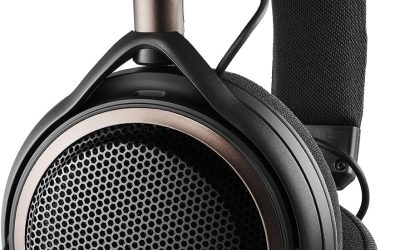
9beyerdynamic DT 990 Pro X
The beyerdynamic DT 990 Pro X is the odd one out in this list, and that is exactly why it belongs. It is a wired, open-back studio headphone made in Germany, built for listeners who care about imaging and detail rather than noise cancelling. The listing frames it as a tool for mixing, editing and critical listening, which makes it a great partner for people who want a different kind of high end experience. That approach rewards patient, focused listening.
Its flagship STELLAR.45 driver is described as a precise, high-resolution transducer that works well at any listening level. The open-back structure lets sound escape, which usually creates a wide, natural soundstage and a more airy presentation than closed designs. At 48 ohms, the listing says it reaches full volume from a laptop, interface, phone or console without a dedicated headphone amp, so setup is simple. German engineering is a selling point for many studio users who value long service.
This model suits home studio creators, podcasters editing audio, and music lovers who listen in a quiet room. It works well for gamers who want precise positional cues at a desk. The package includes a detachable 3 meter mini-XLR cable and a quarter inch adapter, so it plugs into most sources. It is less suited to commuting, since open-back headphones let in noise and leak sound to those nearby. A cable you can detach is easier to replace if it ever gets damaged.
Remember the trade-offs. There is no active noise cancelling and no wireless mode, so you will rely on a cable and a quiet room. Sound leakage means others in your home or office may hear your music at higher volumes. A long cable is handy at a desk but awkward on the move. Start at a low volume and raise it slowly, since open designs can encourage louder listening. Pair it with a quiet space and you will hear every layer of a mix.
Wide open-back soundstage
Easy to drive without an amp
Detachable long cable included
Great for mixing and editing
No noise cancelling or wireless
Leaks sound to people nearby
How to Choose the Best Headphones High End
What Does High End Really Mean?
High end is a loose label, so it helps to define it. In headphones it usually points to better drivers, stronger materials, longer battery life, more refined tuning and extra features such as adaptive noise cancelling or lossless playback. A premium logo alone does not guarantee better sound, so look at the details a listing gives you instead of relying on marketing words. Treat the label as a starting point and read the detail behind it.
It also helps to decide what you want to be high end at. Some people want the quietest possible commute, others want the most accurate sound at a desk, and some want a luxury object. Knowing that in advance narrows the field quickly, and it keeps you from paying for features you will rarely use in everyday life. That habit protects you from paying more for a name alone.
Drivers and Sound Signature
The driver is the part that turns electrical signals into sound. Most premium models use dynamic drivers of around 40 mm or more, and materials such as titanium, carbon fiber or specially tuned diaphragms are used to control stiffness and weight. These choices shape how clean the bass is, how clear voices sound and how well the headphones handle busy music. Listening to a few favorite tracks at the same volume makes comparisons far easier.
Sound signature describes the overall balance. A neutral set aims for even bass, mids and treble, a warm set pushes the low end a little, and a bright set highlights treble detail. Because taste varies, adjustable equalizers inside the app can be a big help, and they let you fine tune the sound without buying a new pair. Pick songs you know well, from quiet vocals to dense, busy rock.
Noise Cancelling Technology
Active noise cancelling uses microphones to listen to outside sound and then plays an opposite signal to reduce it. Hybrid systems use mics both outside and inside the ear cup for finer control. More microphones and faster processors can react better to changes, such as a train pulling in or an airplane engine settling to cruising pitch. Better microphones also help the headphones notice wind and cabin noise sooner.
Cancelling works best on steady, low pitched noise and less well on sudden sounds like voices or clatter. Good ear pads add passive isolation on top of the electronics. Many premium models also offer a transparency or aware mode, which pipes in surroundings so that you can talk to a cashier or hear announcements without taking the headphones off. Try the mode on your own commute whenever return policies allow.
Codecs and Wireless Quality
Bluetooth codecs decide how audio is compressed on its way to your headphones. SBC is the basic standard, AAC is common on Apple devices, and aptX variants and LDAC offer higher quality on supported Android phones and computers. A codec only helps when both the headphones and the source device support it, so check both before paying extra. Wired playback avoids the codec question entirely, which can be a relief.
Many premium headphones also support a wired connection. A USB-C link can carry digital audio straight from a laptop or phone, while a regular analog cable works with almost any source and keeps playing when the battery is empty. If you are an audiophile with a lossless library, a wired or USB option is a valuable feature to look for. For casual listening, any modern codec will sound good enough.
Comfort, Weight and Fit
Comfort decides whether you wear headphones for ten minutes or ten hours. Look at clamping force, ear pad depth, headband width and weight distribution. Memory foam pads with soft synthetic or real leather are common, and a wide headband spreads pressure across the head instead of focusing it on one spot. Weight is only part of the story, because shape and clamp matter just as much.
People who wear glasses should check how pads seal around the frames, because a poor seal weakens both bass and noise cancelling. Larger heads may prefer sliders with a long travel range. If possible, buy from a seller with an easy return policy so you can wear the headphones for a full afternoon before deciding. Try wearing a new pair for an hour while doing normal tasks.
Battery Life and Charging
Battery numbers on a listing usually describe the best case, often with noise cancelling on and moderate volume. Spatial audio, loud listening and cold weather can shorten that figure. For travel, aim for at least twenty hours so that you can cover a long flight plus a few days without a charger, and look for fast charging for emergencies. Charging cables and a small power brick are worth packing on long trips.
Fast charge features are a quiet hero of premium headphones. A few minutes on a USB-C cable can give hours of playback, which saves you on a busy morning. Some models also let you play music while charging, and a few now offer replaceable batteries that extend the useful life of the product. Remember that battery capacity slowly declines over several years of use.
Call Quality and Microphones
Premium headphones often include several microphones for calls. Beamforming arrays focus on the direction of your voice, and software filters reduce background noise and wind. This can make video meetings and phone calls far clearer than on a basic headset, which matters for remote workers, students and anyone who takes calls while moving. Wind noise can ruin a call outdoors, so look for wind handling in the listing.
Even so, no headphone microphone beats a quiet room and a steady position. If calls are your main use, read the listing for the number of microphones and for noise suppression features, and consider a model with a wired USB option for stable meeting audio. A dedicated desk microphone still gives the best voice quality. Muting yourself in group calls also helps the noise filters work well.
Open-Back Versus Closed-Back
Closed-back headphones seal the outside of each ear cup, which keeps sound in and noise out. They are the right choice for commuting, flights and shared spaces. Nearly all noise cancelling headphones are closed-back, because the seal helps the electronics do their job and gives the bass a firm foundation. Many people end up using one type at home and the other when out.
Open-back headphones let air and sound pass through the cups. That tends to give a more spacious soundstage and a natural feel, which is why many studio users and audiophiles love them. The cost is sound leakage and almost no isolation, so they work best at a desk or in a quiet room at home. Think about who shares your space before choosing an open design.
Apps, EQ and Smart Features
Companion apps turn good headphones into customizable ones. They offer equalizers, noise cancelling levels, firmware updates and button remapping. Some provide parametric EQ with frequency bands and filters, which lets you shape sound with precision. Others keep it simple with preset modes for bass, vocals or movies. Check that the app supports your phone and computer before you buy. Good software keeps a pair of headphones feeling fresh long after purchase.
Look at which smart features you will really use. Multipoint connection is great for people who switch between phone and laptop, while wear detection pauses music when you lift a cup. Spatial audio can be fun for films. Remember that app support depends on the maker, so features may change as software updates arrive. Updates can add new modes, so keep the software current. A clear menu also makes everyday changes quick.
Build Quality and Portability
A premium price should buy durable materials. Metal sliders, replaceable ear pads and strong hinges all help headphones survive daily use. Real leather and titanium add a luxury feel, though they may need more careful handling than plastic. Check whether pads and cables are replaceable, since those parts wear out first. Cases and spare pads protect the investment and keep the headphones hygienic.
Portability matters if you travel. Foldable designs and compact cases save bag space, while flat folding cups suit slim backpacks. Heavier luxury models can feel substantial but add weight to your carry. Pick the form that matches your routine, and keep headphones in a case to protect the finish. Replaceable parts are often the difference between two and five years of use.
Safe Listening and Smart Habits
Premium headphones can sound clean at high levels, which makes it easy to listen too loudly without noticing. A good habit is to set the volume at a comfortable level, take breaks during long sessions and keep it lower in quiet places. Strong noise cancelling lets you enjoy music at lower volume on planes and trains. Taking a short break every hour is a simple and healthy habit. Quiet moments are a good time to check your usual level.
If you feel ringing, discomfort or fatigue, lower the level and rest your ears. Children and teenagers should use volume limits where available. These tips are general advice for comfortable listening and do not replace advice from a qualified professional if you have specific concerns about your hearing. Use built-in volume limits where they exist, especially for younger listeners. Sharing these habits with family members helps everyone.
Which Type Should You Choose?
Match the headphones to your routine. Frequent flyers and commuters will get the most from strong noise cancelling and long battery life. Audiophiles should look at lossless options, wide codec support and EQ. Style lovers can pick luxury materials, and home studio users can go open-back with a cable. Keep your top two features in mind and ignore the rest of the spec sheet. A clear picture of your day makes the decision easier.
If you are unsure, start with a well rounded closed-back wireless model and use the return window. Compare the listing details for codecs, microphones, battery and fit. Then check the live price, because discounts on premium headphones are common and may move one model into a better value position. A short list makes the final choice calm and quick. Write down your must have features before opening the listings.
Frequently Asked Questions
What makes headphones high end?
High end headphones usually combine premium drivers, quality materials, adaptive noise cancelling, long battery life and refined tuning. They often add features like lossless audio, parametric EQ or luxury finishes. A famous logo is not enough, so compare the actual specs in each listing.
Are high end headphones worth the money?
They can be, if you will use the extras. Frequent travelers gain from strong noise cancelling, and audiophiles may enjoy better detail and lossless options. Casual listeners might be just as happy with a more affordable model, so match the features to your real habits.
Do I need lossless audio?
Not everyone does. Lossless files and streaming can reveal fine detail on a good system, but you need compatible headphones, source and connection. For most Bluetooth listening in noisy places the difference is small, so treat lossless as a bonus rather than a requirement.
Is noise cancelling better than open-back for music?
It depends on where you listen. Noise cancelling closed-back models shine on trains and planes. Open-back headphones offer a wide, natural soundstage in a quiet room but leak sound and block little noise. Many enthusiasts own one of each.
How long should the battery last?
Look for at least twenty hours with noise cancelling on if you travel. Several models here list far more, and fast charging can add hours in minutes. Remember that spatial modes, high volume and cold weather can reduce the numbers on the listing.
Which codec should I look for?
Choose a codec your phone supports. AAC works well on Apple devices, while aptX variants and LDAC suit many Android phones and computers. If your gear lacks support, the headphones will fall back to the basic SBC codec, which still sounds fine for everyday listening.
Can I use these headphones for gaming?
Yes, with caveats. Wireless models can add a small delay, so a wired or USB connection is better for fast games. Open-back studio headphones offer precise imaging at a desk. Check whether the listing includes a microphone if you need voice chat.
Are high end headphones good for calls?
Many are. Beamforming microphones and noise suppression improve voice clarity in busy places. Read the listing for the number of mics and wind handling. If calls are your main use, a wired USB connection can add stability during long meetings.
How do I keep premium headphones in good shape?
Store them in their case, keep them away from heat and moisture, and wipe the pads gently. Leather and titanium finishes appreciate extra care. Check whether pads, cables or batteries are replaceable, because those wear first and can extend the life of the product.
Where can I see current prices?
Prices for premium headphones change often with sales and new releases. Use the links in this guide to open the live listings, where you can check current price, color choices, shipping and return terms before making a decision.
The Bottom Line
The best headphones high end buyers can choose depend on how you listen. For most people the Sony WH-1000XM6 is the safest pick, thanks to its strong noise cancelling, clear calls and comfortable foldable design. It covers travel, work and everyday music in one polished package.
If your priorities differ, move down the list. The Sennheiser HDB 630 suits audiophiles, the Nothing Headphone (1) wins on endurance, and the beyerdynamic DT 990 Pro X is a wired open-back choice for desk listening. Open the live listings to compare current prices and colors.
Updated for the 2027 buying season. Amazon listings and availability change often, so check the product page for current details.




Write Your Review
No reviews yet. Be the first to share your experience!