

As an Amazon Associate we earn from qualifying purchases. If you buy through links on this page we may receive a commission at no extra cost to you. Product details come from Amazon listings and can change.
Finding the best headsets for the train comes down to a few simple questions. How loud is your line, how long is your ride, and do you need to take calls on the way? This guide covers eight options from the product listings we studied, from full noise cancelling over-ear models to light on-ear pairs and single-ear call headsets.
It is written for daily commuters, students riding to campus, and remote workers who hop on a call between stations. Each pick is explained through its listed features, such as battery life, microphones, ear cup design and connection options, so you can match a headset to your own routine.
Prices change often, so we link to live listings instead of quoting numbers here. Always check the current page for color, bundle contents and availability before you decide. Whatever you choose, keep the volume moderate on loud platforms, because turning music up to beat the noise is a habit worth avoiding.
The soundcore Q20i is the top pick for most riders, pairing hybrid noise cancelling with long listed battery life and a Transparency mode for station announcements. The TOZO HT3 is the choice for the biggest battery, while the Sony WH-CH720N suits riders who want the lightest over-ear noise cancelling fit. Single-ear headsets cover calls.
Key Takeaways
Best Headsets For The Train at a Glance
| Product | Our score | |
|---|---|---|
| 9.0 / 10 | Check Price → | |
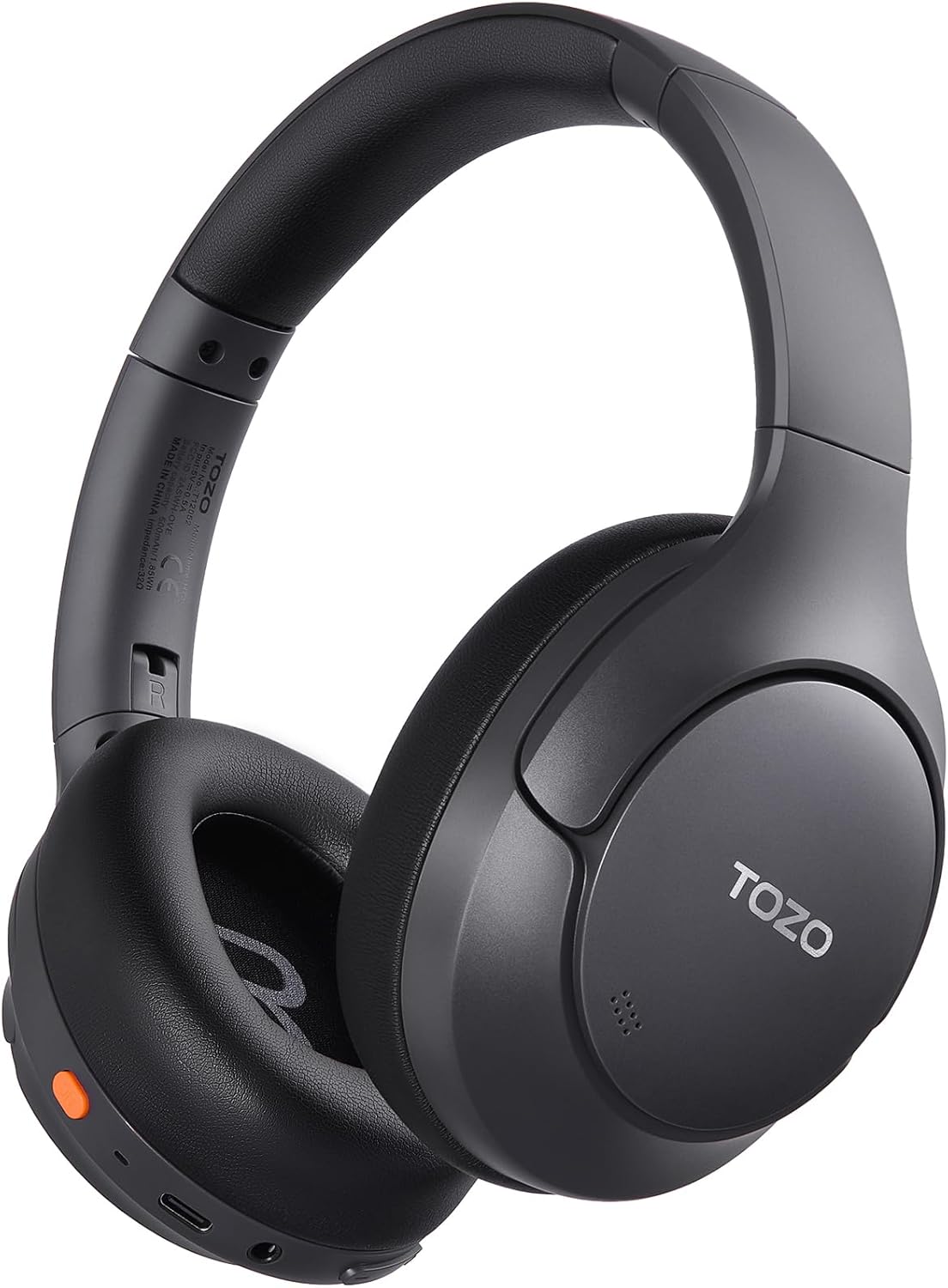
TOZO HT3 Hybrid Noise Cancelling Wireless HeadphonesBest Battery Life
|
9.2 / 10 | Check Price → |
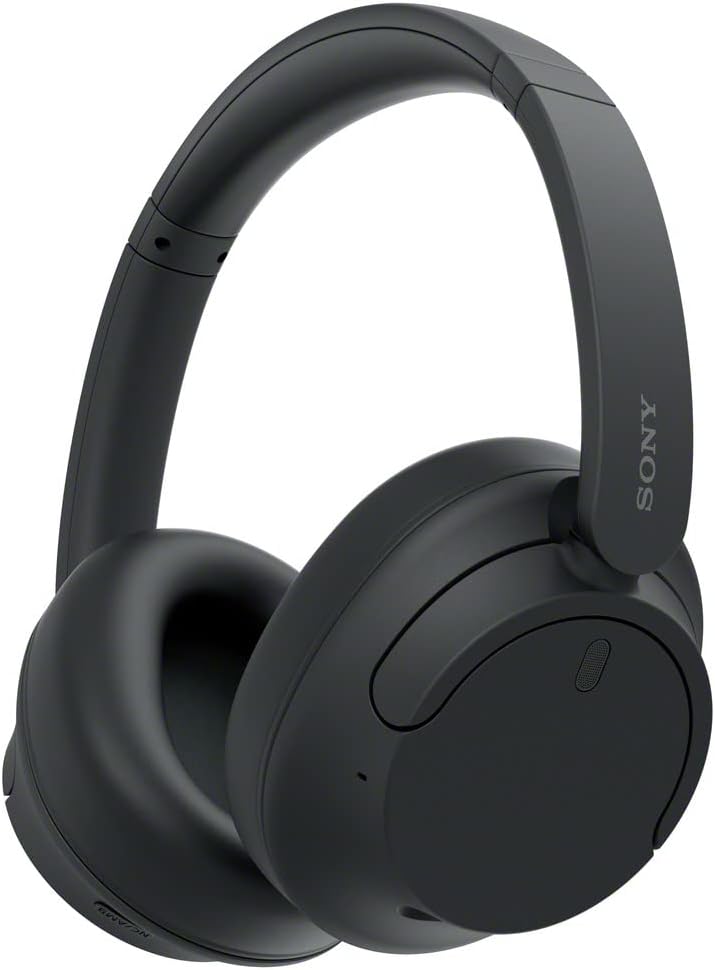
Sony WH-CH720N Wireless Noise Cancelling Over-Ear HeadphonesBest Lightweight Noise Cancelling
|
8.6 / 10 | Check Price → |

Sony WH-CH520 Wireless On-Ear Bluetooth Headphones with MicrophoneBest On-Ear for Long Rides
|
8.8 / 10 | Check Price → |

Open Ear Headphones with MicBest Open Ear for Awareness
|
9.0 / 10 | Check Price → |

PHILIPS Trucker Bluetooth Headset with MicBest Single-Ear for Calls
|
8.6 / 10 | Check Price → |

LEVN Bluetooth Headset with MicrophoneBest Battery for Calls
|
8.4 / 10 | Check Price → |

Sarevile Trucker Bluetooth HeadsetBest for Simple Controls
|
8.8 / 10 | Check Price → |
How We Chose the Best Headsets For The Train
This is a research based guide, not a lab comparison. Every pick was chosen by reading the product listing details closely: the stated specs, the feature lists, the included accessories and the use case each headset is aimed at. We then asked a simple question for each one: would this make a daily train ride easier, quieter or more comfortable?
Fit for the commute mattered most. We looked at noise control, weight, battery life, microphone features, connection options and how well a design lets you hear announcements. Claims in a listing come from the maker, so we describe them as claims and do not treat them as proven. Each pick also carries an editorial score out of 10, shown separately on the site, which reflects how well it matches the keyword and how it compares with the others here.
In-Depth Reviews
1soundcore by Anker Q20i Hybrid Active Noise Cancelling Headphones

The soundcore Q20i is the top pick because it covers the three things a train rider asks for most: strong noise control, long battery life and easy switching between a phone and a laptop. The listing describes hybrid active noise cancelling with two internal and two external microphones, and it claims a large share of ambient noise is reduced. That claim comes from the maker, so treat it as a direction rather than a promise. Even so, the feature set is exactly what a rattling carriage calls for.
Inside the ear cups sit oversized 40mm dynamic drivers, and the listing mentions BassUp technology for a stronger low end. A wired AUX option is also listed, with Hi-Res certified audio mentioned for that cable. The soundcore app adds a customizable equalizer with 22 presets, plus three modes: ANC, Normal and Transparency. White noise is available in the app as well. Bluetooth 5.0 handles the wireless link, and the headphones can hold two connections at once, which helps when a call arrives mid playlist.
This model suits students and office commuters who spend long stretches on a train and want one headset for music, calls and video meetings. Transparency mode is handy when you need to catch a platform announcement or cross a busy street after leaving the station. The listed battery life of up to 40 hours with noise cancelling on means most people would charge it only now and then. A fast charge option is listed too, which helps if you forget to plug in overnight.
A few practical points are worth knowing before you buy. Full size ear cups can feel warm on a packed summer train, and they take more bag space than earbuds, though a soft pouch can help. Spend a few minutes in the app to pick an equalizer preset and a noise mode that suits your line. Keep the volume moderate, since noise cancelling lets you listen at lower levels. Check the live listing for the current bundle and color.
Hybrid noise cancelling with four microphones
Long listed battery life
Transparency mode for announcements
Connects to two devices at once
Over-ear cups take more bag space
Some features depend on the app
2TOZO HT3 Hybrid Noise Cancelling Wireless Headphones
The TOZO HT3 earns its place for riders who hate charging. The listing advertises up to 90 hours of playback on one charge, which for most commuters could mean weeks between top ups. It also lists hybrid noise cancelling with four microphones that adapt to surroundings, including a noisy subway. As with any maker claim, real results vary by fit and by the kind of train you ride. Still, huge battery capacity paired with active noise control makes this a strong value pick.
Sound comes from 40mm dynamic drivers, and the listing describes deep bass, clear mids and crisp highs. Connection options are broad: Bluetooth, a 3.5mm AUX cable and USB Type-C are all mentioned, so older devices and wired use are covered. The listing also notes dual device connectivity, spatial audio, AI call noise reduction and a left and right balance adjustment. A quick charge option is listed as well. That many functions can feel like a lot at first, so take a little time to learn the buttons.
This headset suits long distance commuters, students who also study in the library, and travelers who switch between train, plane and bus. The foldable design saves space in a backpack, and the listing mentions breathable ear cushions that can be removed and replaced. Gamers on a phone or handheld may like the low lag mode mentioned in the listing. If you ride a quiet suburban line and mostly want music, the strong battery means you can stop thinking about power altogether.
Keep a few things in mind. Many extra features mean a longer learning curve, and noise cancelling strength differs from person to person, so read the return terms on the live listing. The listing does not give a weight, so check the page if a light feel matters to you. Folding the cups flat before they go into a bag protects the hinges. As always, keep listening volume at a comfortable level, especially when the platform is loud.
Very large listed battery life
Hybrid noise cancelling
Bluetooth, AUX and Type-C options
Foldable with replaceable ear pads
Many features to learn
Weight is not stated in the listing
3Sony WH-CH720N Wireless Noise Cancelling Over-Ear Headphones
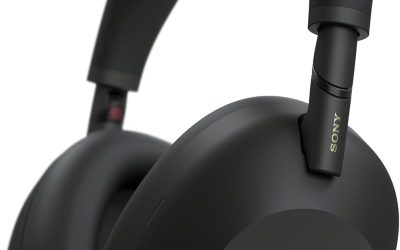
The Sony WH-CH720N is a strong choice for riders who care most about carrying comfort. The listing calls it the lightest wireless noise cancelling headband the brand has made, at 192g. That weight matters on a long commute, when a heavy headset can leave pressure on the head by the second hour. It pairs the light build with dual noise sensor technology and the Integrated Processor V1, giving a mainstream route to calmer rides without a bulky feel.
Noise handling is described as dual sensor noise cancelling with an adjustable Ambient Sound mode, plus an Adaptive Sound control feature that shapes the sound to the surroundings. For audio, the listing mentions the Digital Sound Enhancement Engine, or DSEE, which is meant to improve compressed music, along with natural vocals and a balanced tuning. Battery life is listed at up to 35 hours, with a three minute quick charge giving up to one hour of playback. Charging is by USB Type-C.
Think of this model as a good fit for office workers, students and anyone who wears headphones for hours at a time. The light frame and soft design make it easy to leave on between the train and the desk. Ambient Sound mode lets you hear announcements without taking the headset off. Pop and vocal fans may enjoy the balanced tuning described in the listing, while heavy bass lovers may prefer a more bass focused model.
Before buying, look at the details that matter for daily use. Light headsets often trade some padding depth for low weight, so check the listing photos for pad thickness if you wear glasses. Charging over USB Type-C means one cable can serve both your phone and your headset. Use Ambient Sound while walking near traffic, and keep the volume moderate so you can still hear your surroundings when you need to.
Light 192g build
Dual sensor noise cancelling
Adjustable Ambient Sound mode
Quick charge support
Padding may be slimmer than heavier models
Bass focus may not suit everyone
4Sony WH-CH520 Wireless On-Ear Bluetooth Headphones with Microphone
The Sony WH-CH520 is the on-ear pick for riders who value battery life and a small footprint. Its listing quotes up to 50 hours of use with quick charging, enough for multi day road trips and long festival weekends. It does not list noise cancelling, so it suits quieter lines or riders who like to hear some of the carriage around them. It is a simple, value minded option for people who want wireless freedom without a complicated feature list.
The design is on-ear with swivel earcups that slip on and off, an adjustable headband, a cushion and soft ear pads. The listing mentions EQ Custom through the Sony Headphones Connect app, hands-free calling through a built-in microphone, and multipoint connection that lets two devices stay linked at once. Charging is by USB Type-C. Six colors are listed: black, blue, white, pink, yellow and cappuccino, so it is easy to pick a look that stands out from the crowd.
This model suits students, teens and light commuters who want a comfortable, no fuss headset for music and the occasional call. Because on-ear cups rest on the ears rather than around them, they pack down smaller than over-ear designs and tend to run cooler in warm weather. Multipoint helps if you listen on a tablet and wait for calls on your phone. Pair it with a podcast or audiobook habit and the long battery will rarely need attention.
Be realistic about what on-ear headphones do. Without active noise cancelling, loud rail noise will still reach you, and the temptation is to raise the volume, which is not a good habit. Keep levels moderate and consider a noise cancelling model if your line is very loud. Some people find on-ear pads press on the ears after a long ride, so take a short break now and then. Check the live listing for the current color options.
Long listed battery life
Light swivel earcups
Multipoint connection
Many color choices
No noise cancelling listed
On-ear pads can press on the ears
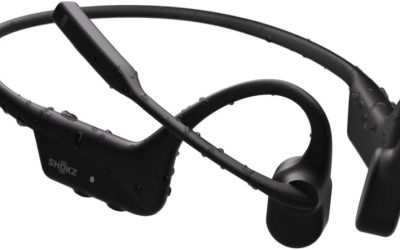
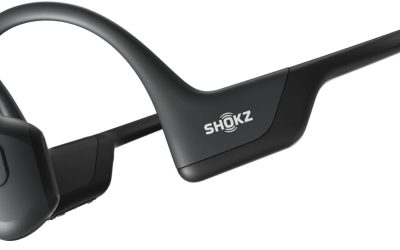
5Open Ear Headphones with Mic
The Open Ear Headphones with Mic are the pick for riders who want to stay aware while listening. Instead of sealing the ear, the listing describes an open ear air conduction design that rests lightly on the ears and weighs just 23g. That makes it a very different choice from the noise cancelling models above. On a train, it suits people who need to hear announcements, station staff or a child beside them, and who do not mind some outside noise mixing with their audio.
The listing mentions a 15mm dynamic driver and says air conduction gives better bass than traditional bone conduction. Dual microphones with AI noise reduction are listed for calls, along with a 210 degree rotatable mic and a mute that you trigger with three presses of the minus button. Bluetooth 5.4 is listed, plus a range of about 33 feet and up to 12 hours of talk time. The design is described as glasses friendly and pressure free.
Who is this for? Commuters who walk to the platform, work remotely on the move, or take many short calls will like the lightweight feel. It is also a good match for podcasts, audiobooks and coaching cues, which the listing calls out as clear in the mids and highs. People who wear glasses may find the slim fit easier than a full headband. Riders on very noisy lines may find music hard to hear over the carriage, so it is better suited to calmer routes.
Open ear designs let sound leak both ways. People next to you on a quiet carriage may hear your audio if you turn it up, so keep the volume modest and be considerate. Bass will never match a sealed over-ear model, and talk time is the one battery figure the listing gives, so plan to charge often. Check the live page for fit details and to see whether the shape suits your head.
Very light 23g build
Keeps ears open to announcements
Dual microphones for calls
Glasses friendly shape
Sound can leak to nearby riders
Bass is lighter than sealed designs
6PHILIPS Trucker Bluetooth Headset with Mic
The PHILIPS Trucker Bluetooth Headset with Mic is the call focused choice for the commuter who works on the move. Despite the name, the features suit trains too: a single ear design, an AI noise cancelling microphone and an instant mute button. Because it covers only one ear, the other stays open, so you can follow announcements or the person beside you. It is built for calls and directions rather than rich stereo music.
The listing says the AI noise cancelling microphone helps isolate your voice, and the mute button lets you pause the mic quickly without ending a call. It works with Siri and Google Assistant for voice commands, and it can connect to two devices at once, for example a phone and a computer. An adjustable headband and soft ear cushion are listed, and the headset is described as fully recharging in two hours. Long battery life is mentioned, but no exact hours are given.
It suits sales staff, remote workers, drivers on a mixed commute and anyone who takes meetings on the train. The lightweight single ear design reduces pressure over long shifts, and being able to hear around you is helpful on busy platforms. Pairing it with both phone and laptop means video calls and navigation prompts can share one headset. If you want to listen to full albums, a stereo headset from this list will serve you better.
Some practical notes follow. Mono headsets can make music sound narrow, so treat this as a calls first tool. Single sided wear can feel unbalanced after hours, though the adjustable band helps. The listing does not give exact battery hours, so check the live page and plan to charge overnight. Speak at a normal level, since quiet carriages carry voices, and consider stepping away for private calls. Check that the single ear fit feels secure when you walk.
Keeps one ear open
Instant mute button
Works with Siri and Google Assistant
Two device pairing
Mono sound is limited for music
Exact battery hours are not stated
7LEVN Bluetooth Headset with Microphone
The LEVN Bluetooth Headset with Microphone is a battery focused call headset that suits the train well. The listing claims up to 65 hours of work or music time from a 400mAh battery with a two hour full charge. For a commuter who lives on calls, that is a lot of freedom. It is an on-ear style, so it sits lighter than a big over-ear model while still giving a proper headband fit and a bendable microphone.
Noise reduction is described as an adaptive environmental chipset that suppresses most interfering noise, a figure the maker puts high, so treat it as a marketing claim. Connection to two Bluetooth devices at once is listed, with a quick switch when a call arrives during a video meeting. A mute switch sits at the bottom of the headset, and the microphone rotates 270 degrees for left or right ear wear. Wireless range is listed at about 49 feet.
This model is a good fit for hybrid workers who ride a train to the office, take calls on the way and then plug into a laptop at the desk. Left or right ear flexibility helps if you hold your phone in one hand or carry a bag on one shoulder. Listening to podcasts and talks is fine, but the clear focus here is voice. It also suits students joining online classes between lectures.
Keep expectations realistic. Mono and call focused headsets are not meant for music lovers, and a bendable microphone needs to sit near the mouth for the best pickup. The advertised 65 hours may depend on volume and use, so lighter use will last longer. The listing mentions simplified wood colored packaging, which is a nice touch but does not change performance. Check the live listing for exactly what is included in the box.
Very long listed battery life
Rotating microphone for either ear
Physical mute switch
Pairs with two devices
Built for calls more than music
Battery hours depend on use
8Sarevile Trucker Bluetooth Headset
The Sarevile Trucker Bluetooth Headset is a straightforward pick for riders who want simple call handling. The listing describes Bluetooth 5.2, an upgraded microphone with AI noise cancelling and a mute switch, all in an on-ear design with a soft cushion. It is also described as compatible with phones, tablets and computers. On a train it works as a hands-free tool for calls, with enough comfort for a full commute and a battery listed for long use.
Controls are kept simple. One multi function button powers the headset on and enters pairing mode, voice prompts announce connection, mute and low battery status, and a single click answers or ends a call. A double click redials the last number. Siri voice assistant support is listed, and the headset can connect to two devices. The battery is listed at up to 35 hours of talk time or 60 hours of music at 70 percent volume, with a two hour full charge.
This is the one to choose if you want few buttons and clear voice prompts, for example a commuter who is not interested in apps or settings. The headband adjusts, and an anti-slip pad is mentioned for a stable fit. Office workers, call center staff and people who take a lot of short calls during their ride will like the plain design. It can also play music on the move, though stereo depth is not the point.
A few cautions apply. The listing text is a little unclear in places, so read the live page to confirm what is in the box and what the warranty covers. Directional microphones work best when pointed toward your mouth, and no microphone removes every announcement on a loud train. For music, a stereo headset from this list will sound fuller. Keep the volume comfortable, and consider muting when you pass the busiest station.
Simple one button controls
Voice prompts for status
Adjustable headband with soft cushion
Long listed talk time
Listing details are sparse in places
Better for calls than for music
How to Choose the Best Headsets For The Train
What to look for in headsets for the train
A train is a tricky place for audio. You get a steady low rumble from the wheels, sharp squeals from the track, announcements that you must not miss, and people close on every side. A good headset for this setting needs to handle noise, stay comfortable for a long ride and keep working through a full week of commuting. Think about your own line first, since a quiet suburban route and a packed city loop ask for different things.
Start by deciding what you do most. If you mainly listen to music or podcasts, stereo headphones with noise control come first. If your ride is mostly calls and meetings, a microphone with noise reduction and a mute control matters more. Many riders want a bit of both, which is why this list mixes full headphones with call headsets. Write down your top two needs before shopping, and let the rest of the features be a bonus.
Noise cancelling on trains
Active noise cancelling uses microphones to pick up outside sound and then plays an opposite signal to reduce it. It works best on steady low sounds, such as the hum of an engine or wheels on rails. Sudden sounds like voices or a squealing brake are harder to remove, so do not expect total silence from any model. Some riders also like a model that works while wired, so the music never stops when the battery does.
Hybrid designs use microphones both outside and inside the ear cups, which can give smoother results than a single microphone setup. Several picks here list this feature. The practical benefit is that you can listen at a lower volume, which is kinder over a long commute. If a headset offers a mode that lets sound in, use it when you walk through the station. If you wear the headset all day at your desk too, the points above matter even more.
Over-ear, on-ear or single-ear
Over-ear cups surround the ear. They usually block more outside sound and give a fuller feel for music, but they take more bag space and can feel warm. On-ear cups rest on the ear itself, so they fold smaller and run cooler, though some people find the pressure tiring after a long ride. Treat the percentage figures that makers quote as a rough guide, because real trains vary a great deal.
Single-ear headsets cover just one ear and leave the other open. They are made for calls, directions and staying aware of your surroundings, rather than rich music. Open ear designs sit near the ear without sealing it. Each type fits a different habit, so match the style to your routine rather than chasing the biggest feature list. Fit matters here, since a loose seal lets rumble leak in and weakens the effect.
Battery life for daily commutes
Battery numbers in listings are best read as maximums. They are usually measured at a moderate volume with a specific feature set, so noise cancelling, high volume and calls can all shorten real use. Still, a larger number gives you more room before a charge, which is helpful if you ride every day and forget to plug in. Bring a bag with a small pocket for the headset, and the choice of size becomes much less of a worry.
Quick charge features are worth noting too. A few minutes on the cable can add enough hours for a ride home when you realize the battery is low. Over a work week, a headset with a very long listed battery life may only need charging once or twice, which makes a daily routine simpler. Pick based on how you actually travel, not on how you imagine you might travel someday.
Comfort over long rides
Comfort comes from weight, clamp and padding. A light headset puts less load on the head, a gentle clamp avoids pressure behind the ears, and soft pads help during an hour or more of wear. The lightest picks here are the open ear and single-ear models, and among full headphones the lighter over-ear option stands out. Replaceable pads, where a listing mentions them, are a sensible extra for a headset you wear every day.
Glasses wearers should look for slim pads and a flexible band. Hot weather changes things, since sealed cups can warm up. Take a short break from time to time, especially after more than an hour of wear. If you can, read the listing details on adjustability, because a headband that fits your head well matters as much as the weight. Try to read the weight, if the listing gives one, before you compare anything else about comfort.
Calls and microphones on the move
Taking a call on a train asks a lot from a microphone. Background rumble, announcements and nearby chatter all compete with your voice. AI noise reduction and directional microphones try to isolate speech, and a mute button lets you drop out quickly when an announcement plays or a stranger speaks to you. A quiet room at home sounds very different from a moving carriage, so judge a microphone by how it copes with noise.
Position matters. A bendable or rotating microphone should sit close to the corner of your mouth, not near your chin. Speak at an even level, since carriages are often quieter than you expect. If calls are your main use, favor a call focused headset, and keep a stereo pair for music. If a call is private or sensitive, step off at the next stop rather than speaking loudly on board.
Staying aware of announcements and platforms
Cutting out the world is nice on a train, but you still need to hear delays, stop names and warnings. Transparency or ambient modes use microphones to pass outside sound through, so you can listen without removing the headset. Single-ear and open ear designs keep awareness by default. Never let a pass through mode tempt you into looking at your phone while crossing a road.
Awareness also matters outside the train. Station platforms, crossings and stairs call for full attention, so lower the volume or switch to a pass through mode as you walk. Treat noise cancelling as a tool for the seat, not for the street, and you will have a calmer and safer commute. Stay alert near the platform edge, since trains arrive quickly and quietly in some stations.
Connection and multipoint
Bluetooth lets you roam without a cable, and newer versions give a steadier link with better range. Several picks list dual device connection, often called multipoint. This means the headset stays paired with your phone and your laptop at once, so a call can interrupt your music without a manual switch. Remember that range figures in listings assume open space, and bags, walls and crowds can shorten them.
A wired option is a handy backup. Some headphones on this list mention a 3.5mm AUX cable, which lets you keep listening when the battery runs out. Check the pairing steps in the listing, and keep your device software up to date, because the smoothest connection also depends on what you pair with. Pair each device once at home, so the first morning of your commute is not spent in menus.
Sound quality and equalizer settings
On a train, the surrounding noise changes how you hear music. Low bass can disappear under the rumble, and quiet vocals can get lost. A built-in or app based equalizer lets you raise the bass or lift the mids until your favorite track sounds right, and presets make this quick for people who do not want to fiddle. It helps to listen to a few familiar songs when you first set up a headset, because you already know how they should sound.
Driver size and tuning also shape the sound, but they are only part of the picture. Larger drivers tend to move more air for bass, while careful tuning keeps vocals clear. Podcasts and audiobooks need clear mids more than heavy bass, which is why open ear and call headsets can still be a good fit. Reset the equalizer if a preset ever sounds off, and make small changes rather than big ones.
Safe listening volume
Loud trains tempt people to push the volume up. This is a habit to avoid. Long periods at high volume can be unpleasant and tiring, and a good rule is to keep the level at a comfortable setting where you can still hold a conversation nearby, and to take breaks during a long trip. Many people find that a lower volume with good isolation is more relaxing than a loud mix in a noisy carriage.
Noise cancelling and a good seal let you hear music clearly at lower levels, which is one reason they suit train riders. Some phones show a warning when the volume is high, and it is worth paying attention to it. If something sounds too loud, lower it, whatever the headset claims. If your ears feel tired or uncomfortable, take the headset off for a while and give them a rest.
Carrying, folding and storing
A commute means a bag, and a bag means squeezing things in. Foldable and swivel designs save space, and smaller on-ear or single-ear styles take almost none. If you carry a laptop, think about where the headset goes and whether a pouch protects the cups and the hinges from the edges of other items. A small zip case also keeps cables and the charger from tangling inside a crowded bag.
Care adds life to any headset. Wipe the pads now and then, keep the cable and charger in an easy place, and avoid leaving the headset in a hot car. Replaceable ear pads, where listed, can extend the life of the headset, which is a real advantage for daily use. Check the listing for the cables and extras included, since a missing cable is an annoying surprise.
How to choose between these picks
Choose the soundcore Q20i if you want a well rounded noise cancelling headset with an app and a long battery. Choose the TOZO HT3 for the longest battery and wired backup, or the Sony WH-CH720N if low weight matters most. The Sony WH-CH520 fits riders who prefer an on-ear style without noise cancelling. Whichever you choose, read the live page for the latest bundle contents and the return policy.
For awareness and light weight, look at the open ear model. For calls and meetings, the PHILIPS, LEVN and Sarevile single-ear headsets are the better tools, with differences in battery, controls and microphone design. Read each live listing before you buy to confirm what is included, and match the choice to the way you travel. Buy for the commute you have, and the right headset will make the ride feel noticeably shorter.
Frequently Asked Questions
What are the best headsets for the train?
For most riders, a noise cancelling over-ear headset such as the soundcore Q20i works best because it cuts rumble, lasts a long time and has a mode for announcements. If you mainly take calls, a single-ear headset with a good microphone is the better fit.
Do I need noise cancelling on a train?
It is not required, but it helps. Active noise cancelling reduces steady low sounds like wheels and engines, so you can listen at a lower volume. It works less well on sudden sounds such as voices or brakes, so a pass through mode is still useful.
Are open ear headphones good for commuting?
They suit riders who want to hear announcements and their surroundings, since the ear stays open. The tradeoffs are sound leaking to people nearby and lighter bass. They work best on calmer lines and for podcasts, audiobooks and calls.
Is a single-ear headset good for music?
Mono headsets are made for calls and directions, so music sounds narrow. They are great for taking meetings on the way to work or staying aware of the carriage. For music, choose a stereo headset such as an over-ear or on-ear pair.
How long should the battery last for a commute?
Look for a listed battery life that covers at least a week of rides without charging. Many picks here list tens of hours, and some list far more. Real use varies with volume, noise cancelling and calls, so treat the figures as maximums.
Over-ear or on-ear for the train?
Over-ear cups usually block more noise and feel fuller for music but take more bag space. On-ear headphones fold smaller and run cooler, though they can press on the ears. Pick the style that matches your comfort and how much you carry.
Can I take calls on these headsets?
Yes. All of the picks list a built-in microphone, and the call focused models add noise reducing microphones and mute controls. Call quality on a loud train depends on how the microphone is placed and on the noise around you.
What is multipoint and why does it matter?
Multipoint means the headset stays connected to two devices at once, such as a phone and a laptop. It matters on a commute because a call can arrive while you listen on another device, and you do not need to pair again by hand.
What volume is safe on a train?
Keep the volume at a comfortable level where you could still hold a conversation nearby, and take breaks on long trips. Do not raise it just to beat the noise. Noise cancelling lets you hear clearly at lower levels, which helps.
Do prices change on these headsets?
Yes, prices and bundle details change often, which is why this guide does not quote numbers. Use the links to open the live listings and check the current price, color options, what is in the box and the return terms before you buy.
The Bottom Line
The best headsets for the train are the ones that match your ride. For most people, the soundcore Q20i is the safest place to start, thanks to hybrid noise cancelling, a long listed battery life, a Transparency mode and easy two device pairing. If battery is your top concern, the TOZO HT3 is a very strong second.
Riders who value low weight can look at the Sony WH-CH720N or the on-ear WH-CH520, and those who need calls should compare the single-ear headsets. Open the live listings, check the details that matter to you, and keep the volume at a comfortable level on every ride.
Updated for the 2027 buying season. Amazon listings and availability change often, so check the product page for current details.
Write Your Review
No reviews yet. Be the first to share your experience!