

As an Amazon Associate we earn from qualifying purchases. If you buy through links on this page we may receive a commission at no extra cost to you. Product details come from Amazon listings and can change.
Choosing the best xlr microphones can feel confusing at first, because the connector alone does not tell you how a model sounds or what it needs. XLR is the balanced three pin standard used on stages and in studios, and it connects through an audio interface or mixer. This guide compares ten XLR models using the details published in each product listing, from broadcast dynamics to a home studio condenser and a hybrid USB option.
It is written for podcasters, streamers, singers, worship teams, karaoke fans, students and home recording beginners. Some picks are famous vocal workhorses, some are made for speech, and some are bundles that arrive with a cable and a bag. Each product gets four short sections covering what it is, how its features work, who it suits and what to watch for before you buy.
Prices change often and offers come and go, so we do not print any. Every product links to its live listing, where you can check the current offer, bundle contents and delivery. After the picks, a buying guide explains dynamic and condenser designs, pickup patterns, gain, phantom power, cables and room technique in plain language.
Our top pick is the Shure SM7B, a dynamic cardioid broadcast and vocal microphone with built-in shock isolation. The Shure SM58 Pro is the classic stage vocal choice, and the RODE PodMic is the podcast specialist. The Audio-Technica AT2020 is the home studio condenser if your room is quiet.
Key Takeaways
Best Xlr Microphones at a Glance
| Product | Our score | |
|---|---|---|
| 9.6 / 10 | Check Price → | |

Shure SM58 Pro XLR Dynamic Vocal MicrophoneBest Stage Vocal Classic
|
9.6 / 10 | Check Price → |

Audio-Technica AT2020 Cardioid Condenser Studio XLR MicrophoneBest for Home Studio
|
9.4 / 10 | Check Price → |

RØDE PodMic Cardioid Dynamic Broadcast MicrophoneBest for Podcasts
|
9.6 / 10 | Check Price → |

Shure MV7X XLR Dynamic Podcast & Recording MicrophoneBest Compact Creator Mic
|
9.4 / 10 | Check Price → |
Shure SM58S Pro XLR Dynamic Vocal Microphone with On/OffBest for Presentations
|
9.4 / 10 | Check Price → |

Phenyx Pro Cardioid Dynamic Wired XLR Microphone with On/OffBest Accessory Bundle
|
9.2 / 10 | Check Price → |

LyricLoom Professional XLR Microphone Wired SetBest Value Karaoke Set
|
8.6 / 10 | Check Price → |

PUPGSIS XLR/USB Dynamic Podcast Microphone for Streaming/Recording/GamingBest XLR and USB Hybrid
|
9.2 / 10 | Check Price → |

Pyle Professional Dynamic Vocal MicrophoneBest Stage Starter
|
8.8 / 10 | Check Price → |
How We Chose the Best Xlr Microphones
This is a research based guide, not a lab comparison. Each pick was chosen by reading the product listing details, including titles, feature bullets, listed specifications and the stated use case. We looked at pickup pattern, microphone type, connection, built-in pop protection, build quality, included accessories and how well the design fits its intended job.
We also tried to cover a range of needs, from podcast desks to live stages and first time buyers. Every pick carries an editorial score out of 10 shown on the site, reflecting feature fit, value for its category and how clearly the listing describes the product. Where a listing is short on specifications, we say so and speak in general terms instead of guessing.
In-Depth Reviews
1Shure SM7B Dynamic Vocal Microphone for Podcasting & Streaming
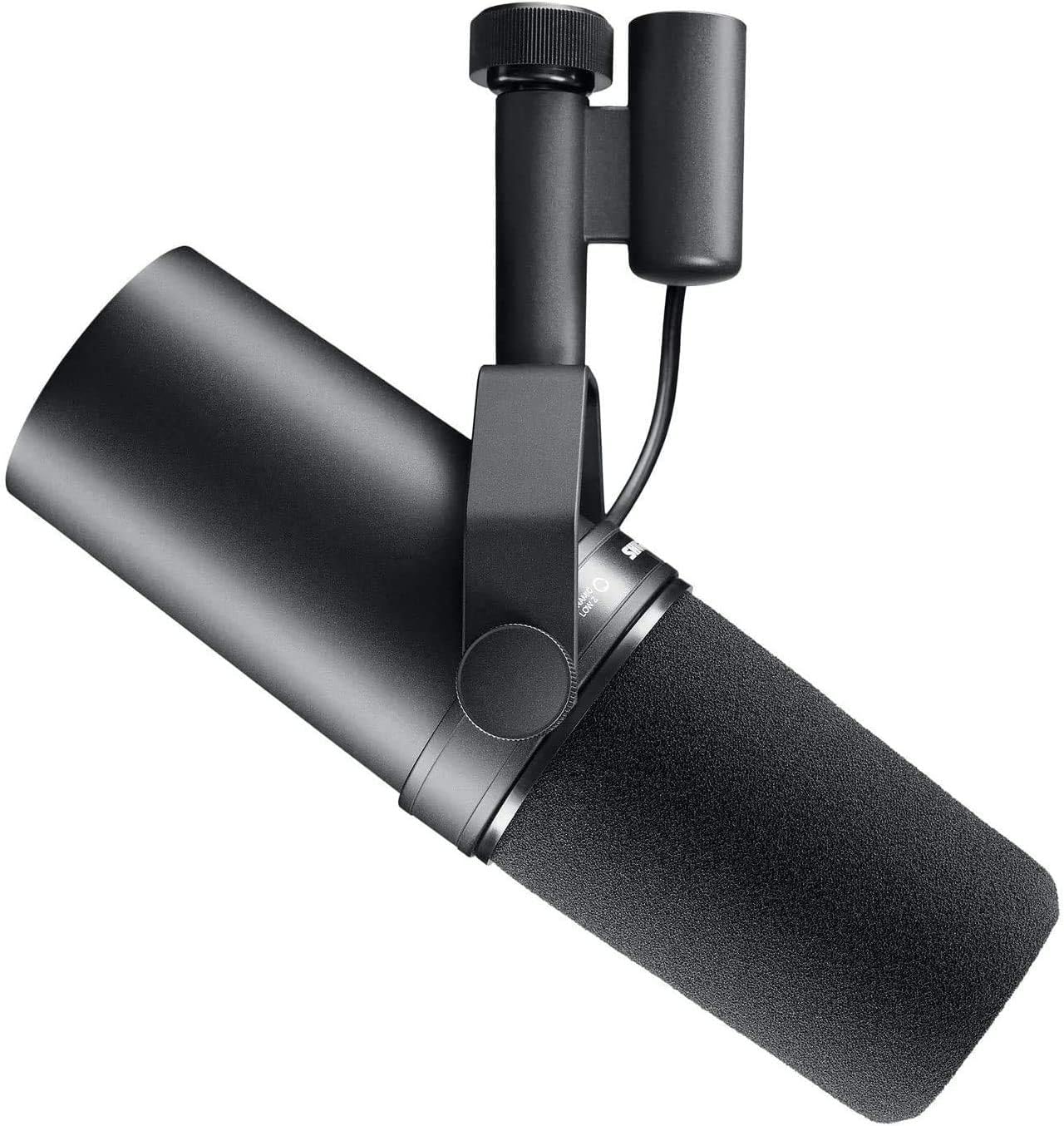
The Shure SM7B takes the top spot because its listing describes a complete broadcast and vocal tool rather than a single trick. It is a dynamic microphone with a cardioid pickup pattern and a wide-range frequency response. Shure positions it for singing, podcasting, voiceover and studio recording, so one purchase can cover several creative jobs. That flexibility, along with a reputation built on years of studio and radio use, is why it leads this list of XLR microphones.
Several design details are called out in the listing. Air suspension shock isolation is meant to keep handling bumps and desk vibration away from the capsule. Built-in pop filtering and a detachable windscreen help soften plosives, breath and wind noise. Advanced electromagnetic shielding is described as a guard against hum and interference. The output is a professional XLR connection, which means gain, EQ and tone are controlled by your interface or mixer rather than by the microphone.
This model suits creators who talk or sing close to the microphone and want a polished, controlled sound. Podcasters, streamers, voiceover artists and home recording musicians are the natural audience. Because it is a dynamic design with a focused pickup, it can reduce the room noise that bedrooms and untreated spaces often have. It is also a sensible long term buy for anyone who plans to upgrade their interface later and wants a microphone that will keep up. Anyone recording in a quiet corner at night will appreciate how forgiving a close dynamic design can be.
Plan the rest of your signal chain before you order. Dynamic microphones in this class generally put out a quiet signal, so a clean, quiet preamp or an interface with generous gain helps a lot. You will also need an XLR cable and a stand or boom arm, which are not part of the product description. Speak a few finger widths from the grille for the best balance of warmth and clarity. Treat the capsule gently, keep drinks away from the cables and use a foam cover if it comes with your accessories.
Wide-range dynamic sound
Shock isolation built in
Pop filter and windscreen
Electromagnetic shielding
Needs a capable preamp
Cable and stand sold separately
2Shure SM58 Pro XLR Dynamic Vocal Microphone
The Shure SM58 Pro is the microphone that many people picture when they think of a live singer. The listing describes a tuned frequency response with a subtle midrange lift, aimed at warm and articulate vocals. It is sold as an XLR dynamic vocal microphone for performance, recording, podcasting and broadcast use. Its place near the top of this guide comes from that long record of dependable work in clubs, schools, churches and studios.
A uniform cardioid pickup pattern focuses on the voice in front of the grille while reducing sound from the sides and rear. That helps limit stage monitor bleed and room noise, which in turn lowers the chance of feedback. A spherical grille with a built-in filter is meant to tame plosives, breath and wind. The body is rugged metal with a reinforced stand adapter, a detail that matters for travelling performers.
Choose this microphone if your main goal is a clear, forgiving vocal sound at a sensible level of complexity. It fits singers, speakers, worship teams, open mic hosts and karaoke nights. It also works for simple podcast or streaming setups when paired with an audio interface. Because it has no switch and needs no battery, it is easy for volunteers or beginners to use without a lesson. Many school halls and community centres already own one, which says something about how easy it is to run.
Keep expectations realistic for quiet studio work. The pattern and tuning favour a close, vocal style, so it will not capture airy room detail the way a condenser does. You must supply an XLR cable, and an interface or mixer with a microphone input. For stage use, cup the grille loosely rather than wrapping your hand around it, because covering the grille can invite squeals from the speakers. If you often move between rooms, a padded bag keeps the grille from taking dents.
Midrange lift for vocals
Focused cardioid pattern
Rugged metal build
Reinforced stand adapter
Cable not in this listing
Less airy than a condenser
3Audio-Technica AT2020 Cardioid Condenser Studio XLR Microphone
The Audio-Technica AT2020 is the only condenser microphone in this guide, which makes it a useful contrast to the dynamic models around it. The listing calls it the price and performance standard in side address studio condensers and recommends it for project and home studios. A low mass diaphragm is said to give extended frequency response and a quick, detailed reaction to sudden sounds. For recordists who want more detail, it is the obvious starting point.
As a condenser, it works on a different principle from a dynamic microphone and generally needs phantom power from an interface or mixer, so check your gear first. The listing highlights high SPL handling and a wide dynamic range, which suggests flexibility from soft vocals to louder sources. A cardioid pattern reduces pickup from the sides and rear, helping isolate the sound you want. The connector is a standard three pin XLR male.
This is a good match for songwriters, acoustic players, voiceover beginners and anyone building a first project studio. Side address means you speak into the side of the body rather than the end, which is worth knowing before you mount it. Quiet, treated rooms bring out the best in a condenser, so it suits bedrooms with soft furnishings, a closet vocal booth or a dedicated recording corner. Think of it as a bridge between a basic setup and a more serious studio chain, with room to grow.
Be honest about your room. A sensitive condenser hears keyboard clicks, traffic and echo more readily than a dynamic microphone does, so noisy spaces can be a drawback. A pop filter and a stand or shock mount are common add ons, and the listing does not describe them as included. Budget for an XLR cable and for an interface that can supply phantom power before you count the project as finished. Read the product page for the included stand clamp and pouch details so you know what you are getting.
Condenser detail
Wide dynamic range
Cardioid isolation
Made for home studios
Needs phantom power
Picks up room noise easily
4RØDE PodMic Cardioid Dynamic Broadcast Microphone
The RODE PodMic is built around speech, and the listing says so plainly. It is a cardioid dynamic broadcast microphone with an XLR connection, tuned for podcasting and spoken word. The description states that it rejects room noise in untreated spaces, which matters because most podcasters record at a desk rather than in a studio. That focus on talk, together with an all-metal body, earns it a clear role as the podcast pick.
Practical features are included rather than sold separately. An internal pop filter and shock mounting are meant to handle plosives and desk thumps without extras, and a swing mount is integrated into the body. The listing is also clear that this is an XLR microphone, so it needs an audio interface or mixer with an XLR input and is not a USB device. It is said to match the RODECaster family in look and design.
Pick this one if you host interviews, record a weekly show or stream conversations and want a tidy, professional look on camera. Two or more PodMics on a mixer are a common way to set up a shared table. Gamers who want a broadcast style voice can use it too, as long as they add an interface. It is a solid step up from a basic desktop USB microphone. Its straight, simple shape also looks tidy beside a mixer or on a small desk arm.
Because of the dynamic capsule, you should keep your mouth fairly close and speak straight into the front for a full sound. Moving away will thin the voice and let more of the room in. Like other microphones of this type, it can need a good amount of gain, so check your interface specifications. A boom arm and an XLR cable are separate purchases, so add them to your list. Consider a short, quality XLR cable and a sturdy arm so the microphone stays put during long recordings.
Tuned for speech
Rejects room noise
Pop filter built in
All-metal body
Needs an XLR interface
Boom arm sold separately
5Shure MV7X XLR Dynamic Podcast & Recording Microphone
The Shure MV7X is the XLR only version of a popular creator microphone idea, and the listing is clear about that choice. It is described as a dynamic cardioid microphone for recording vocals, hosting podcasts and livestreaming. Shure says its design is inspired by its own broadcast microphone heritage and has a professional form factor for spoken word. That mix of a compact body and a studio style connection places it high among the picks for creators.
Focused voice isolation is the headline feature, and the listing links it to the dynamic cardioid capsule and an integrated shock mount. Together these are meant to reduce room noise, background distractions and unwanted vibration. The output is XLR, so it connects to audio interfaces and mixers and leaves gain control in your hands. An adjustable yoke mount and a three eighths inch adapter are described as fitting most stands and boom arms.
Streamers, podcasters and vocalists who already own an interface will find this model easy to adopt. It sits well on a boom arm just out of the camera frame, and the all-metal build looks at home in a creator setup. It also suits anyone who wants to grow from a USB microphone to a more flexible XLR chain without paying for features they do not plan to use. Its shape suits a boom arm placed at the side of a monitor where it stays clear of the screen.
Remember the limits of the XLR only design. There is no USB port in this version, so a computer cannot use it directly. You also need an interface with enough clean gain, since dynamic capsules usually ask for more than condensers do. Speak close to the grille, aim it at your mouth rather than your chin and keep monitoring volume at a comfortable level so you are not tempted to push your headphones too loud. Place it on a stable stand and lower your headphone level before you begin speaking.
Compact creator design
Shock mount included
Fits stands and boom arms
All-metal build
No USB output
Requires an interface
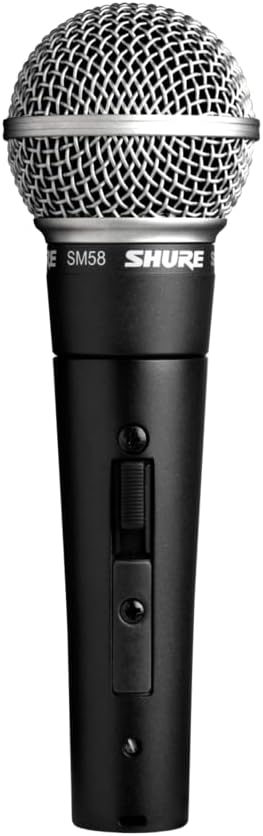
6Shure SM58S Pro XLR Dynamic Vocal Microphone with On/Off
The Shure SM58S adds one practical feature to the well known vocal design, which is an on and off switch. The listing describes the same warm, present vocal sound, tuned for singers and speakers on stage, in rehearsal rooms and in studio sessions. It is sold as an XLR dynamic vocal microphone and is aimed at live performers, venues, touring acts and houses of worship. That extra control is the reason it stands apart from the standard version.
The switch lets you mute the microphone between songs or speakers without unplugging from a mixer or PA system. A cardioid polar pattern captures sound from the front and rejects off axis noise, which helps separate a voice from instruments, monitors and crowd noise. A hardened grille and internal filtering are meant to limit plosives, breath noise and handling sounds. Together they keep close microphone use controlled during energetic performances.
Churches, schools, meeting rooms and event hosts are the clearest fit. A speaker can silence the microphone while moving between topics, and a band can mute a vocal channel without touching the mixer. Rehearsal spaces and small clubs benefit from the same convenience. It also works for recording vocals at home, though the switch is less useful there. Pastors, teachers and event hosts often value a quick mute more than any tonal detail.
Think about how a physical switch behaves in practice. Some performers bump it by accident, and a switch that is left off can lead to the common mistake of speaking into a dead microphone. Look at the switch position before each event instead of guessing. Separately, the listing text mentions a wireless microphone, but this product is a wired XLR model, so plan to buy a cable. A small piece of tape over the switch can stop accidental changes during a busy service.
Built in mute switch
Clear vocal tuning
Focused cardioid pickup
Hardened grille
Switch can be bumped
Cable not mentioned
7Phenyx Pro Cardioid Dynamic Wired XLR Microphone with On/Off
The Phenyx Pro PM-25S is a wired XLR vocal microphone that arrives with nearly everything needed to start singing. The listing describes a tuned equalizer curve with full lows and naturally bright highs, aimed at a balanced, neutral tone. It has a metal body and an on and off switch. The bundle approach, with cable, clip, pouch and cable strap, is the main reason it ranks as the best accessory package here.
Two numbers are given for output. Sensitivity is listed as minus 50 dB, plus or minus 2 dB, and impedance as 260 ohms, which the listing says delivers higher output using less gain. That claim is relevant for lower gain mixers and interfaces. A cardioid pattern focuses on the voice, and a foam cover inside the grille is meant to reduce plosives and sibilance. Full-metal construction covers both the handle and the capsule.
This microphone suits karaoke fans, church groups, small bands and new streamers who want one box with no extra shopping. The five metre cable gives you room to move on a small stage, and the clip fits standard stands. The included pouch helps protect it between uses. It is a practical choice for classrooms and community events where a microphone travels in a bag. Pairing it with a small interface and a desk stand gives a neat starter vocal chain without extra purchases.
Look at the product page before you buy to make sure you pick the switched version, since a very similar model without a switch exists. As with most dynamic vocal microphones, singing close to the grille gives the strongest result. The faux leather pouch protects against dust and moisture, but it is not a hard case, so pack the microphone with care when you travel. Wind the cable loosely and use the strap so the connectors last longer.
Full accessory kit
Higher output, less gain
On and off switch
Metal handle and capsule
Pouch is not a hard case
Similar model without switch exists
8LyricLoom Professional XLR Microphone Wired Set
The LyricLoom Professional XLR Microphone Wired Set is a ready to use bundle for people who just want to sing. The listing describes a metal vocal dynamic microphone with a switch, a long XLR cable and a 6.35 mm adapter so it can plug into both XLR and quarter inch inputs. It is marketed for karaoke, speakers, singing and recording. The value comes from how many parts arrive in one box.
The box contents are listed in detail. They include the microphone, a 16.4 foot XLR male to female cable, a 6.35 mm TRS adapter, a microphone clip, a portable bag, a microphone cover and instructions. The dynamic core and cardioid pattern are meant to isolate environmental noise and suppress feedback. A mesh grille with noise-proof cotton is described as reducing wind noise and pops. The metal body is said to resist liquids and corrosion.
This set is a friendly choice for families with a karaoke machine, small speaker owners, churches and teachers. The listing says it works with amplifiers, mixers, sound cards and portable speakers, so it can follow you from living room to meeting hall. The adapter widens compatibility with older gear. Shoppers who want a simple, affordable starting point for singing or speeches will find the bundle easy to understand. It is aimed at casual use and fun rather than professional touring, which is a fair fit for the price of entry.
A generic brand with a long feature list deserves modest expectations. The listing does not give detailed specifications such as frequency response or sensitivity, so you cannot compare it closely with the better documented models above. Check that your device has the right input type before buying. For quiet singing at home, keep the volume sensible, and watch the cable so nobody trips over its generous length. Keep the microphone cover clean, and wipe the grille after use if many people share it.
Bundle with bag and clip
XLR and quarter inch use
Long 16.4 foot cable
Metal body with switch
Few technical specs listed
Generic brand
9PUPGSIS XLR/USB Dynamic Podcast Microphone for Streaming/Recording/Gaming
The PUPGSIS dynamic podcast microphone is the only hybrid in this guide, offering both USB and XLR connections. The listing gives a frequency response of 40Hz to 16kHz and a supercardioid pickup pattern. It is sold for streaming, recording and gaming, with a boom arm included. That flexibility makes it appealing for people who are not sure whether they want a plug and play setup now and a full interface later.
A supercardioid pattern is narrower at the front than a standard cardioid, and the listing says it helps reduce ambient sounds such as fans and hard drives. A mute and noise reduction button is described, where a short press mutes and a long press reduces background noise. A 3.5 mm jack allows real time monitoring, with headphone volume control on the microphone itself. The arm clamp is said to fit desks up to two inches thick.
Beginners, gamers and home streamers will get the most from this model. USB makes it simple to connect to a computer, while the XLR output leaves the door open to mixers and interfaces. The built-in monitoring helps you hear your voice without extra gear. It is also useful for students recording lectures or voice notes who want one device that works in more than one setup. Casual podcast hosts and school projects can start on USB, then move to XLR when they buy an interface.
Treat the hybrid design as a convenience rather than a guarantee of studio sound. A supercardioid pattern also picks up a little from directly behind, so point the back of the microphone away from noisy sources. Check the arm thickness limit before clamping to a thin or very thick desk. Because it is a lesser known brand, read the full listing so you understand what each button does before you start recording. Try both connections with your own computer before settling on the one you prefer.
USB and XLR outputs
Supercardioid pickup
Mute and noise reduction button
Boom arm included
Lesser known brand
Narrow pickup needs careful aim
10Pyle Professional Dynamic Vocal Microphone
The Pyle PDMIC59 is a straightforward handheld vocal microphone aimed at performers who are just starting out. The listing describes a moving coil dynamic design with a cardioid unidirectional pattern, an on and off switch and a 15 foot cable with an XLR end and a quarter inch plug. It is promoted for bedrooms, studios and stages. Its low barrier to entry is why it rounds out the list as a stage starter.
The cardioid pickup is said to capture a vocalist or guitar amplifier while rejecting off axis sound, which cuts background noise and feedback. The listing also describes high gain before feedback, an integrated pop filter and a windscreen. A zinc die-cast case with a steel mesh windscreen and anti-dent ring forms the rugged all-metal shell. Moisture resistance is mentioned in the description, though it should not be treated as a waterproof guarantee.
Use it for karaoke nights, school events, band rehearsals and simple live shows where a dependable dynamic microphone is enough. Because it ships with a cable that ends in a quarter inch connector, it plugs into many amplifiers and mixers without hunting for adapters. Beginners can learn mic technique, gain staging and feedback control on it before choosing a more specialised microphone. It also makes a simple spare microphone to keep in a gig bag in case of problems.
Note that the cable ends in quarter inch rather than XLR on both sides, so connecting to an audio interface with an XLR input needs a different cable or an adapter. The listing gives no sensitivity or impedance values, so careful matching is not possible. Keep the microphone away from loudspeakers to avoid feedback squeals, and store it in a dry place when it is not in use. Learn to keep it a steady distance from your mouth and you will get more consistent results.
Moving coil dynamic
Cable included
On and off switch
Zinc die-cast body
No sensitivity data listed
Cable ends in quarter inch
How to Choose the Best Xlr Microphones
What an XLR Microphone Is and Why It Matters
XLR is a three pin connector used for balanced audio. It carries the signal over two matching conductors plus a shield, which helps cancel noise picked up along the cable. That is why XLR microphones are the standard on stages, in studios and in broadcast rooms, where cable runs can be long and electrical interference is common. This is why the connector choice is the first decision when you plan any new audio setup at home or on the road.
The trade off is that XLR microphones do not plug straight into a laptop. You need an audio interface, a mixer or a similar device with a microphone input. That extra gear gives you better control over gain and sound, and it lets you upgrade each part of your chain on its own over time. Planning the full chain on paper before you buy saves money and prevents the frustrating discovery that a favourite microphone does not fit your gear.
Dynamic or Condenser Microphones
Dynamic microphones use a moving coil and magnet. They are sturdy, handle loud sources well and tend to ignore faint background sounds, which suits live shows, noisy rooms and close speech. Most of the products in this guide are dynamic designs for these reasons. If you are unsure, start with a dynamic model, since it is forgiving and easier to live with in everyday rooms.
Condenser microphones use a thin diaphragm and powered electronics. They capture more fine detail and air, which is why studios use them on vocals and acoustic instruments. They also hear more of the room, so they work best in quiet, treated spaces and usually need phantom power from the interface. For people who record in a bedroom, office or garage, the dynamic route usually brings fewer surprises and cleaner results.
Understanding Cardioid and Supercardioid Patterns
A pickup pattern describes where a microphone listens. Cardioid is heart shaped, favouring sound in front and rejecting sound from the rear. This reduces room echo and feedback on stage, and most vocal and podcast microphones use it. Most listings state the pattern in the title or feature list, so a quick read before checking out can prevent a poor match.
Supercardioid is tighter at the front but has a small zone of pickup directly behind. It can reject sounds from the sides even better, though you must aim the rear away from speakers or noisy gear. Always read the listing for the pattern, then position the microphone with the pattern in mind. Try small changes of angle, because a few degrees can make a clear difference in how much of the room enters the recording.
Audio Interfaces and Preamp Gain
An audio interface turns the analog signal from your microphone into digital audio for your computer. It also contains a preamp that boosts the very small microphone signal to a usable level. The quality of that preamp has a large effect on how clean a quiet dynamic microphone sounds. Reading the interface manual and noting its maximum gain figure will help you match it to your chosen microphone with confidence.
Check how much gain your interface offers before choosing a low output dynamic microphone. If the gain knob has to sit near its maximum, background hiss can appear. Some creators add an inline booster to help, but a good interface with ample clean gain is usually the simpler answer. If background hiss bothers you, move closer to the microphone and lower the gain a little before changing any other setting.
Phantom Power Explained
Phantom power is a small voltage sent down the XLR cable from the interface or mixer. Condenser microphones need it to run their internal electronics. Most interfaces have a button labelled 48V that turns it on. This habit costs nothing and protects your gear, so make it part of every session, whether you are a beginner or a seasoned engineer.
Dynamic microphones do not need phantom power, and modern ones are generally unharmed by it, but it is wise to keep it off unless a microphone calls for it. Always turn the gain down before you connect or disconnect anything while phantom power is active to avoid a loud pop in your headphones. If the interface has no such switch, a condenser model will stay silent, which is a quick way to notice a mismatch.
Choosing XLR Cables and Adapters
A standard XLR cable has a female end for the microphone and a male end for the interface. Longer cables suit stages and big rooms, while short ones keep a desk setup tidy. Look for solid connectors, good strain relief and a shield that blocks interference. A little cable care goes a long way, because most intermittent crackles in a setup come from worn connectors rather than from the microphone.
Some listings include a cable that ends in a quarter inch plug instead of a second XLR connector. That is fine for amplifiers and many mixers, but it may not suit every interface. Adapters exist, yet a proper XLR to XLR cable keeps the balanced benefit across the whole run. For long runs, such as a stage to a mixer position, use a longer cable and keep it away from power leads to avoid hum.
Pop Filters, Windscreens and Plosives
Plosives are bursts of air from sounds such as P and B that hit the capsule and produce a thump. Windscreens and pop filters spread that air out before it reaches the diaphragm. Many microphones in this guide have a filter built into the grille or body. If you notice harsh bursts despite protection, lower your gain slightly and turn your head a little to the side while speaking.
Even with internal protection, good technique helps. Speak slightly off axis, keep a hand width of distance for speech and avoid blowing directly at the capsule. A separate pop filter on an arm can give extra safety for very close vocal recording. A small desktop filter can be a low cost addition, though the best fix is often simply better distance and angle.
Stands, Shock Mounts and Boom Arms
A stable mount protects your recording from desk bumps and vibration. A shock mount holds the microphone on elastic bands so that movement does not travel to the capsule. Several microphones here have shock isolation built in, which reduces the need for extra gear. Heavy microphones can sag on weak arms, so check the load limit and tighten every joint before you start recording.
A boom arm brings the microphone to your mouth without taking up desk space. Check that the thread size matches, since many stands use a five eighths inch thread and some adapters convert to three eighths inch. Make sure the arm is rated for the microphone weight. A gentle tap on the stand while watching the meter shows whether bumps still reach your recording.
Room Sound and Microphone Technique
Even the best microphone cannot remove a bad room. Hard walls, bare floors and windows create echo, and computers add fan noise. Soft furnishings, curtains, rugs and bookcases help absorb sound, and a dynamic microphone used close to the mouth reduces what the room adds. An easy way to improve sound is to record in a room with a bed or a couch, since soft items soak up reflections.
Distance and angle shape your tone. Close speech gains warmth through the proximity effect, which boosts low frequencies. Staying a steady distance keeps volume even. Record a short sample, listen back on headphones at a safe level and adjust placement before you start a long session. Short sessions with regular breaks also help your voice and ears stay fresh, and they make editing much faster.
Stage Use versus Studio Use
Stage microphones prioritise durability, feedback control and clarity over loud sources. Metal bodies, tuned grilles and focused patterns help a vocal cut through monitors and instruments. A switch can be handy, but it adds a part that can fail or be bumped. A single bad cable or loose clip can undo careful placement, so inspect your stage kit before every performance.
Studio microphones prioritise detail and flexibility. A condenser or a premium broadcast dynamic can reveal subtle differences in tone. Many creators use one microphone for both purposes, and dynamic models are popular for this because they are forgiving in imperfect rooms. Many people use the same dynamic microphone for a podcast during the week and a gig at the weekend without any trouble.
XLR Compared with USB Microphones
USB microphones include their own converter and preamp, so they connect to a computer with a single cable. That makes them simple and affordable. The limits are that you cannot swap the preamp, and mixing several USB microphones can be awkward. Think about your future plans too, such as adding a guest microphone or a mixer, before choosing a connection style.
XLR microphones separate the parts. You can upgrade the interface, add more microphones through a mixer and use the same microphone on stage and in the studio. The setup costs more time and money at first, but it grows with you. Hybrid models offer both outputs if you want a gentler start. Because the two worlds overlap, a hybrid or an interface that can also output USB may suit people who change setups often.
Frequently Asked Questions
What is an XLR microphone?
An XLR microphone uses a three pin balanced connector. It needs an audio interface, mixer or similar device to connect to a computer or speaker system. The balanced design helps reduce noise over long cables, which is why it is common in studios and on stage.
Do XLR microphones work with a computer?
Not directly. A computer needs an audio interface or a mixer with a USB output to accept an XLR microphone. Hybrid microphones with both USB and XLR outputs, like the PUPGSIS in this guide, can connect to a computer without extra hardware.
Do I need phantom power?
Only for condenser microphones such as the Audio-Technica AT2020. Dynamic microphones, including the SM7B, SM58 and PodMic, do not require it. Check the specification of your interface and keep the setting off when you are using a dynamic model.
Which XLR microphone is best for podcasting?
The RODE PodMic is built for speech, with a pop filter and swing mount. The Shure SM7B is a premium option for broadcast style vocals, and the MV7X is a compact one. All three are dynamic, which helps with untreated rooms.
Is a dynamic or condenser microphone better for a noisy room?
A dynamic microphone is usually the better choice in a noisy or untreated room. It rejects distant sounds and handles close speech well. A condenser captures more detail but also picks up more of the surrounding space, so it needs a quieter room.
Why does my dynamic microphone sound quiet?
Dynamic microphones, especially premium broadcast models, produce a low signal and need a preamp with plenty of clean gain. Speak closer to the grille, raise the interface gain gradually and avoid noisy preamps that add hiss when pushed.
What cable do I need for an XLR microphone?
You need an XLR cable with a female end at the microphone and a male end at your interface or mixer. Some listings include a cable, others do not. Check each product page, and choose a length that suits your setup.
Can I use a stage microphone like the SM58 for streaming?
Yes. A dynamic vocal microphone with a cardioid pattern works well for streaming when connected to an interface. It is forgiving in average rooms and does not need phantom power. Add a stand or boom arm and a pop filter if you wish.
Do microphones with an on and off switch have any downside?
A switch is convenient for muting between speakers, but it can be bumped or left in the wrong position. Some people prefer a microphone without one and mute at the mixer. Check the switch before a performance or recording.
How do I keep my voice sounding clean when monitoring on headphones?
Use the headphone volume at a comfortable level rather than pushing it high, and take breaks. Position the microphone away from speakers to avoid feedback. If your microphone or interface has direct monitoring, use it to hear yourself with little delay.
The Bottom Line
The Shure SM7B is the best all round choice here for anyone who wants a polished, controlled vocal sound and is happy to pair it with a capable interface. If you sing on stage, the SM58 Pro remains a safe classic, and podcasters should look closely at the RODE PodMic.
Newcomers who want everything in one box can look at the Phenyx PM-25S or the LyricLoom set, while the PUPGSIS offers a gentle start with USB and XLR. Check the live listing for the current offer, then plan your cable, stand and interface before you order.
Updated for the 2027 buying season. Amazon listings and availability change often, so check the product page for current details.
Write Your Review
No reviews yet. Be the first to share your experience!