

As an Amazon Associate we earn from qualifying purchases. If you buy through links on this page we may receive a commission at no extra cost to you. Product details come from Amazon listings and can change.
If you want the best open back headphones, you are looking for a pair that lets air and sound pass through the earcups. That design gives music a wider, more natural feel than most closed headphones can offer. This guide covers nine wired models, from a lightweight audiophile favorite to studio workhorses, a semi-open classic and a retro on-ear pair, so you can match one to your ears and your setup.
The guide is written for music lovers, home studio beginners, gamers, students and anyone who listens at a desk. We explain what each model is, how its features work, who it suits and what to watch for. We also cover impedance, amps, cables, comfort and the privacy trade-offs of open designs, since those details decide whether a pair feels great or frustrating.
Prices change often, so we do not print them here. Every product card links to a live listing where you can see the current price, color options and shipping details before you decide.
The Sennheiser HD 560S is our top pick for its natural, accurate sound and wide soundstage. The Sennheiser HD 599SE is the comfort choice for long sessions, and the beyerdynamic DT 990 Pro X is the easiest studio model to drive because its 48 ohm design needs no headphone amp.
Key Takeaways
Open Back Headphones at a Glance
| Product | Our score | |
|---|---|---|
| 9.0 / 10 | Check Price → | |

Sennheiser HD 599SE Open-Back Wired Audiophile HeadphonesBest for Comfort
|
9.2 / 10 | Check Price → |
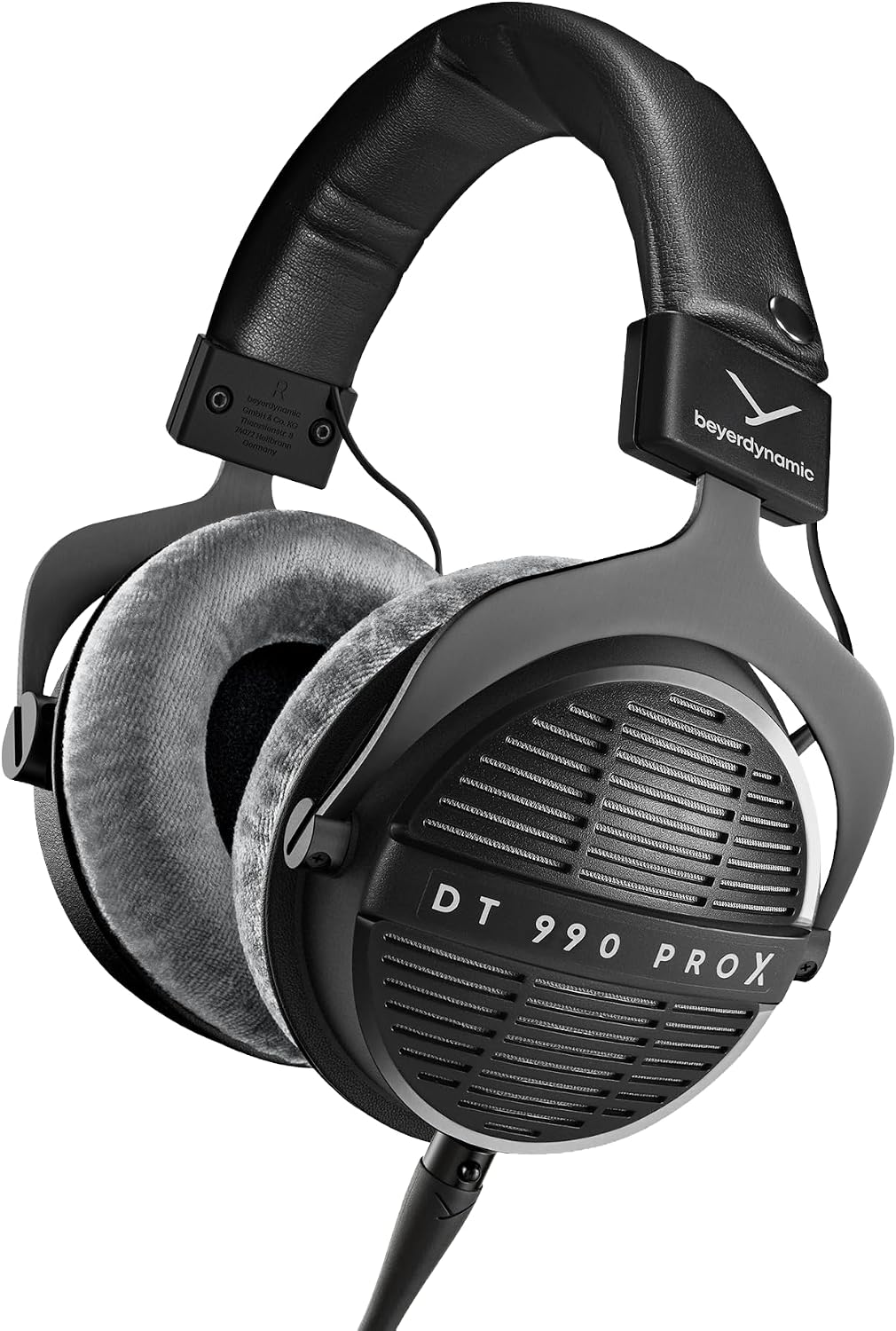
beyerdynamic DT 990 Pro XBest Without an Amp
|
9.0 / 10 | Check Price → |

HD 490 PRO Open-Back Professional HeadphoneBest for Mixing
|
9.2 / 10 | Check Price → |

Audio-Technica ATH-R50X Open-Back HeadphonesBest Lightweight Pick
|
9.0 / 10 | Check Price → |

beyerdynamic DT 990 ProBest for Studio Amp Users
|
9.2 / 10 | Check Price → |
| 9.2 / 10 | Check Price → | |

AKG K240STUDIO Semi-Open Studio HeadphonesBest Semi-Open Option
|
9.0 / 10 | Check Price → |

Moondrop Old Fashioned 40mm On-Ear Headphone with 0.78mm 2pinBest Retro On-Ear
|
9.2 / 10 | Check Price → |
How We Chose the Open Back Headphones
This is a research based guide, not a lab comparison. We studied each listing closely, including the stated specs, features, cable setup, ear pad type and intended use. We then added well known background about open back design, impedance and amplification to judge how each model fits real situations such as a bedroom studio, a gaming desk or a quiet reading corner.
Each pick has an editorial score out of 10 that appears beside the product card on the site. The score reflects how well the listed features match the use case, how easy the pair is to power, how flexible the cables are and how clearly the model stands out from its neighbors. Because we do not run measurements, we describe what buyers can expect rather than make lab claims.
In-Depth Reviews
1Sennheiser HD 560S Open-Back Over-Ear Wired Audiophile Headphones

The Sennheiser HD 560S earns the top spot because it focuses on one goal: natural, accurate sound. The listing describes a reference tuning that aims to reveal what is actually in your music, rather than adding a flashy boost. It is an open back over-ear model, so the earcups let sound waves expand instead of bouncing around inside a sealed shell. For listeners who want a single pair that handles albums, films and games honestly, this is a strong starting point. It is a sensible first step into serious wired listening for shoppers.
Several design details support that goal. The listing mentions ergonomic acoustic refinement, which tilts the drivers toward the natural angle of your ears, helping create a wide soundstage. A new polymer blend membrane is said to offer highly linear excursion for good control, and the bass is described as extended with clear presence. In plain terms, you should hear instruments placed around you with low notes that stay tidy instead of muddy. The result is a pair that rewards patient, attentive listening sessions.
This model suits people who like to listen closely: fans of acoustic, classical, jazz and well recorded rock, plus gamers who want to locate footsteps and cues in a wide field. Beginner producers can also use it as a second opinion next to studio monitors. Because it is built for quiet rooms, it fits best at home or at a desk where leaked sound will not bother anyone nearby. Think of it as a trustworthy daily driver for focused music time.
There are practical points to check before buying. The listing says the connection is wired with a 1/4-inch connector, so a phone or laptop jack may need an adapter, and a small amp or interface will help you reach comfortable volume. Open designs leak sound both ways, so expect room noise to creep in and your music to be heard by people close to you. Keep volume moderate to protect your ears. Pair it with good quality files and a clean source for the best results.
Natural, accurate reference tuning
Wide soundstage from tilted drivers
Clear, controlled bass
Suits music, movies and games
Uses a 1/4-inch connector, so an adapter may be needed
Leaks sound and lets room noise in
2Sennheiser HD 599SE Open-Back Wired Audiophile Headphones
The Sennheiser HD 599SE is the pair to consider if you plan to wear headphones for hours. The listing highlights a lightweight design with plush velour covered ear pads made for all day listening without fatigue. It is an open back wired model aimed at audiophiles, yet it stays friendly enough for casual listeners. It lands high on our list because comfort and sound both matter once a session runs past an hour. That comfort focus makes it a natural gift for a friend who listens a lot.
Sound is described as natural and balanced, with a spacious soundstage, precise highs, rich mids and controlled bass. That mix suits classical, acoustic and other high fidelity material where small details matter. The open back construction lets the drivers breathe, which is why instruments tend to feel separated rather than packed together. The detachable cable is another smart feature, since a worn cable can be replaced without buying new headphones. Gamers and film fans benefit from the same roomy, relaxed presentation.
The listing says this pair includes both a 3 meter cable with a 6.3 mm plug and a 1.2 meter cable with a 3.5 mm plug. The long cable is handy for a desk or home stereo, while the short one works with phones, tablets and laptops. It is also marketed as usable for gaming, so it can double as a roomy, immersive headset when you add your own microphone. Having two cable lengths means one pair can serve a desk and a sofa.
As with any open design, sound leaks out and outside noise leaks in, so it is a poor fit for commutes, offices or shared bedrooms at night. The pads are soft velour, which feels cozy but can warm the ears during long summer sessions. Replacement pads are a normal upkeep item over time. Choose it if comfort and a gentle, spacious sound top your wish list. Treat the pads gently and they should stay comfortable for a long time.
Plush velour pads for long wear
Lightweight, low fatigue fit
Two cables for flexible use
Spacious, balanced sound
Sound leakage makes it unsuitable for public spaces
Velour can feel warm over long sessions
3beyerdynamic DT 990 Pro X
The beyerdynamic DT 990 Pro X is the open back studio model that removes the biggest hurdle for newcomers: needing a separate amp. The listing says its 48 ohm drive reaches full volume from nearly any source, including a laptop, audio interface, phone or console. That convenience, along with a flagship driver and German made construction, makes it the easiest studio style open back pair to recommend to a beginner. For many buyers this removes extra cost and clutter from the first setup.
Inside is the STELLAR.45 driver, described as a flagship transducer built for precise, high resolution monitoring at any listening level. The open back design aims for a wide, natural soundstage so you can judge placement, depth and detail while mixing, editing or just listening closely. Open earcups also avoid the boxy resonance some sealed headphones have, which is why many engineers use open pairs for critical checks. It feels like a professional tool that still fits an everyday computer desk.
The box includes a detachable 3 meter mini-XLR cable and a 1/4-inch adapter, so you can plug into studio gear or step down to everyday devices. This pair fits home studio creators, podcast editors, gamers who like a wide field and music fans who want something detailed without buying extra hardware. It is a flexible all rounder for people who switch between a computer, a console and a mixer. That flexibility is rare in a studio style open back pair.
Keep in mind that a long coiled style studio cable can be awkward for walking around, and the mini-XLR connector means replacement cables must match. Open back headphones leak sound and are not meant for noisy places. Because the design is aimed at monitoring, the sound can feel more revealing than relaxed. Use sensible volume levels, since easy driving makes it simple to push the level higher than you intended. Always check the connector fit when ordering a spare cable.
48 ohm drive works with most sources
Flagship STELLAR.45 driver
Detachable mini-XLR cable
Includes 1/4-inch adapter
Open design leaks sound and admits room noise
Long studio cable is awkward for moving around
4HD 490 PRO Open-Back Professional Headphone
The HD 490 PRO is a professional open back model built around honest sound for people who mix and produce music. The listing promises an uncolored frequency response from 5 to 36,000 Hz, a wide dimensional soundstage and ultra precise localization. Those traits matter when you need to place a vocal in the center or hear whether a reverb tail is too long, which is why it takes the mixing award. That level of detail helps when small balance choices decide how a mix feels.
Its open frame architecture is said to reduce total harmonic distortion and minimize resonance, improving accuracy. A low frequency cylinder system is mentioned as a way to deliver a full, clearly defined low end. The cable is detachable with jacks on the left and right earcups, and a patented coil structure is meant to block cable borne noise so the signal stays clean and easy to hear. The extra control is welcome for anyone who edits audio for hours.
One standout is the pair of ear pad sets. The listing says two unique sets are included for producing or mixing, helping reduce ear fatigue and pinpoint frequencies. Switching pads gives you a way to double check a mix with a slightly different feel. This suits home studio producers, mastering hobbyists, podcast editors and serious listeners who want reference style sound with extra control. Those pad options give you a simple way to adjust the feel of the sound.
The pads are washable and replaceable, and the packaging uses certified forest friendly materials, which is a nice touch for buyers who care about sustainability. As a professional tool it expects a decent source, so plan for a quality interface or amp. It leaks sound like all open designs, so record vocals with a closed pair instead, and take regular breaks to keep your listening fresh. Plan your signal chain first, then enjoy the detail this model offers.
Wide frequency response listed as 5 to 36,000 Hz
Two sets of ear pads included
Open frame lowers distortion and resonance
Washable, replaceable pads
Best with a good interface or amp
Leaks sound, so not for tracking vocals
5Audio-Technica ATH-R50X Open-Back Headphones
The Audio-Technica ATH-R50X is a fully open back reference model that stays light on the head. The listing states a weight of 207 g and a new headband design for long lasting comfort. That makes it one of the easiest pairs here to forget you are wearing. It sits high on the list because it joins professional intent with a travel friendly weight and a very complete accessory kit. It also looks tidy and understated on a desk or a stand.
Sound is described as reference style, with extended bass, accurate midrange and a wide, realistic soundstage. A fully open back design allows unrestricted airflow, which the listing says eliminates internal resonance and gives extremely quick transient response. Put simply, drum hits and plucked strings should start and stop cleanly, and the stereo picture should feel open rather than trapped between the ears. That makes quick comparisons between speakers and headphones much easier.
Cabling is generous. Two detachable cables come in the box, one at 3.0 meters and one at 1.2 meters, each with a 2.5 mm twist-lock connector at the left earcup and a gold-plated 3.5 mm mini-plug. A 6.3 mm adapter and a carrying pouch are also included. That setup suits a desk, a studio and a portable laptop kit, and it fits creators, students and music fans who dislike heavy gear. Those extras mean you can start listening the day it arrives.
Remember that open back headphones are for quiet places. They will not block a noisy train, and people near you will hear what you play. The twist-lock connector is secure but proprietary in shape, so keep the supplied cables safe. A lighter build can also mean less padding than plush rivals, so check how the pads feel on your head after an hour of listening. Store the cables neatly so the connectors last as long as the headphones.
Light at 207 g
Two detachable cables included
Quick, clean transient response described
Carrying pouch and 6.3 mm adapter
Twist-lock cable connector limits third party swaps
Not suited for noisy places
6beyerdynamic DT 990 Pro
The beyerdynamic DT 990 Pro in its 250 ohm version is a long running studio staple, and the listing calls it the mixing reference studios have trusted for decades. It is an open back design with a wide, natural stereo image for hearing placement and depth during mixing and mastering. It earns its place here for anyone who already owns, or plans to buy, an interface or headphone amp. Many studios have relied on this style of sound for years.
The 250 ohm impedance is the key spec. The listing says it is designed for audio interfaces and headphone amps and needs one for full volume, so it is not ideal straight from a phone. Higher impedance models like this are often favored in studios because they pair well with powerful headphone outputs. Soft, replaceable grey velour pads and a spring-steel headband are listed for comfort through long sessions. That makes it a classic choice for anyone who already owns the right gear.
The box includes a fixed 3 meter coiled cable and a 1/4-inch adapter, and the headphones are made in Germany. This model suits home studio owners, mastering hobbyists and audiophiles with a desktop amp who like an open, airy presentation. It is also a good learning tool, because honest open back sound helps you hear how a mix may translate to other speakers and headphones. It rewards owners who care about the quality of their amplifier.
The main drawback is the power requirement. Plugging it into a laptop or phone may leave volume low and dynamics flat, so budget for a basic amp or interface. The cable is fixed, meaning a damaged cord is harder to swap than on detachable designs. Like all open pairs it leaks sound. If you want a similar style without an amp, look at the lower impedance Pro X. Match it with an amp first and the rest of the setup becomes easy.
Long trusted studio reference sound
Soft, replaceable velour pads
Spring-steel headband for durability
Wide, natural stereo image
Needs an amp or interface for full volume
Fixed cable is hard to replace
7Philips Audio SHP9500 HiFi Precision Stereo Over-Ear Headphones

The Philips SHP9500 is the affordable way into open back listening on this list. The listing describes HiFi precision stereo over-ear headphones with 50 mm neodymium drivers that deliver a full spectrum of sound. The acoustic system is listed simply as open. For listeners who want to try a wide, airy presentation without a big commitment, this is the easiest model to understand and the simplest to set up. That makes it a friendly option for students or anyone watching a budget.
The large 50 mm drivers sit behind an open design with a neodymium magnet, a combination that aims for full range sound with room to breathe. The connector is gold plated, which helps resist corrosion and keeps the connection reliable over time. The listing also mentions a double layered headband cushion and breathable ear cushions, both aimed at making longer listening sessions more comfortable on the head. It keeps the focus on comfort and an open sound rather than extra features.
With a 1.5 meter cable, this pair is made for indoor use at a desk or couch, not for walking around. It suits students, casual gamers, movie fans and first time open back buyers who want a roomy sound for streaming and games. Because the build is simple, it also makes a fine backup pair or a gift for a friend who is curious about better headphones. Simple setups like this are easy to live with every day.
The short cable is a limitation if your computer sits far away, and you may need an extension. The listing does not mention a detachable cable, so treat the cord with care. As with every open back model, expect sound leakage and some outside noise, so keep it for quiet rooms. If you later want more accuracy or accessories, you can step up to a studio style model. For the money you put in, it is a fair way to learn what you like.
Large 50 mm neodymium drivers
Breathable ear cushions
Double layered headband cushion
Simple, affordable entry to open back sound
1.5 m cable is short for desk setups
Cable does not appear to be detachable
8AKG K240STUDIO Semi-Open Studio Headphones
The AKG K240STUDIO is a semi-open model, and we include it honestly as a gentler cousin of fully open headphones. Semi-open earcups let some sound pass while keeping a bit more control than a fully open shell. The listing calls it a professional studio standard for recording, mixing and mastering, and it is widely used for podcasts. It earns its slot as the most approachable choice for people who share space. That makes it a smart pick for shared homes and small studios.
Its drivers are listed as 30 mm XXL transducers with patented Varimotion diaphragms, said to deliver a wide dynamic range with solid bass and extremely clear highs. The self adjusting headband and over-ear pads aim for a fit that suits many head sizes. Because the design is semi-open, you get some of the airy spaciousness of open backs with a more focused, less leaky character. Many creators like it because it feels familiar and easy to trust.
Connectivity is flexible. The listing includes a stereo 1/8 inch connector, a screw-on 1/4 inch adapter and a 3 meter cable, which fits studio mixing, podcasting and hi-fi listening. This pair suits podcasters, vocalists checking a mix, students building their first home studio and relaxed listeners who want something sturdy. The durable build is described as made to withstand countless hours of studio use. Those choices help it work in more places than a fully open pair.
Keep expectations realistic. A semi-open pair will not feel as wide as a fully open reference model, and it still leaks some sound, so it is not ideal for libraries or quiet bedrooms. The cable is long and best used at a desk. Pad wear is normal after heavy use. If you want the full open back experience, look at the fully open models above. Think about your room first and the semi-open design will make sense.
Semi-open design for balanced leakage
Long 3 m cable with both adapters
Self-adjusting headband
Durable build for daily studio work
Less wide than fully open models
Still leaks some sound
9Moondrop Old Fashioned 40mm On-Ear Headphone with 0.78mm 2pin
The Moondrop Old Fashioned is a different kind of open back pair, because it is an on-ear design instead of over-ear. The title lists a 40 mm on-ear headphone with an open back retro style and a 3.5 mm jack. It makes the list for people who like classic looks and a small footprint, though anyone expecting the roomy fit of an over-ear model should read the details first. It is a pair that rewards curious listeners who enjoy small tweaks.
The listing describes a 40 mm large dynamic driver with a high damping coefficient diaphragm that is optimized for an open back soundstage. The ergonomic fit comes from a telescopic headband and multi-axis swivel hinges, which help the earcups sit flat against the ear. The cable uses a 0.78 mm 2-pin connector and is interchangeable, so you can swap in a different cable to change length or style. That mix of retro looks and modern parts gives it real personality.
A modular, detachable design means the earcups and headband can be separated, which makes repairs and tweaks easier than with fixed builds. This model suits fashion minded listeners, desk workers, tinkerers who like swapping cables and anyone wanting a compact open pair for a laptop or phone through the 3.5 mm plug. It is a pleasant fit for relaxed, casual listening sessions. Those features make it easy to personalize over time.
Because the pads rest on the ears rather than around them, some people find on-ear styles less comfortable over many hours, and they provide little isolation. Open backs leak sound, so use it in quiet rooms. Check that your replacement cable matches the 2-pin standard. Pick it for style, convenience and flexibility rather than as a straight rival to full size reference models. Try it on first if you can, since fit is personal with on-ear styles.
Compact on-ear retro look
Swappable 0.78 mm 2-pin cable
Telescopic headband with swivel hinges
Modular detachable parts
On-ear pads can tire the ears over long sessions
Open design leaks sound and gives little isolation
How to Choose the Open Back Headphones
What Open Back Headphones Are
Open back headphones have earcups with grilles or vents instead of a sealed shell. Sound from the driver travels out through the back as well as into your ear, so there is no trapped air pushing against the diaphragm. Many listeners describe the result as airy, natural and less boxy, with instruments that feel placed in space rather than inside the head. They are popular with people who care about space and detail in recorded music.
The trade-off is simple. Sound escapes, and outside noise comes in. Open pairs are meant for quiet rooms where you control the environment, such as a home studio, a study desk or a living room at a calm hour. If you need isolation for travel or shared offices, a closed or noise-cancelling pair is a better tool. It is a simple idea, but it changes how music feels in a room.
Open Back vs Closed Back
Closed back headphones seal the earcup, which boosts isolation and often adds punch to bass. They are better for recording vocals, because microphones will not pick up leakage, and for noisy places. Open backs usually offer a wider soundstage and a more even, airy feel, which many mixing engineers like for judging balance and space. Which one you choose depends mostly on where and how you listen each day.
Neither type is better in every situation. Many studios keep both, using closed pairs for tracking and open pairs for mixing and checking. At home, an open pair makes sense if your room is quiet and you want the most natural presentation. Choose closed if you commute, share a room or hate hearing sound leak out. Think about your room, your habits and your budget before you decide.
Understanding Impedance and Amplification
Impedance is measured in ohms and describes how hard a headphone resists the electrical signal. Low impedance models, such as a 48 ohm design, can reach good volume from phones and laptops. High impedance models, such as 250 ohms, usually want a dedicated headphone amp or audio interface to deliver full volume and dynamics. Sensitivity also plays a part, but most shoppers can start with impedance alone.
Read the listing before you buy. If a product says it needs an amp, plan for one, because plugging it into a weak source can leave sound thin and quiet. A modest desktop amp or interface is often enough. Sensitivity also matters, but impedance is the quick number that tells you how easy a pair will be to drive. Matching your gear in advance saves frustration and returns later on.
Soundstage and Imaging Explained
Soundstage describes how wide and deep the music feels. Imaging describes how clearly you can pinpoint where each instrument sits. Open back designs tend to score well on both because the earcup does not create strong internal reflections. Angled drivers can add to the effect by sending sound toward the ear at a more natural angle. A well recorded track will show the difference far more than a noisy recording.
Remember that headphones do not make a true speaker style stage, because each ear only hears one driver. What you get is a more spacious illusion that helps with mixing, gaming and detailed listening. Recording quality matters too, so a well produced live album will show off a good open pair far better than a compressed pop file. Give yourself a few days to adjust to a new, wider presentation.
Comfort, Pads and Weight
Comfort decides whether you keep wearing a pair. Look for light weight, a padded headband and pads that fit around the ears without pressing. Velour pads feel soft and breathe well, while leather style pads can feel warmer. Open back models usually run a little cooler because air flows through the earcups. Try a pair for an hour before judging, since comfort often shows up slowly.
On-ear designs rest on the ear instead of surrounding it, so they feel smaller but can cause pressure after a long time. Glasses wearers should check that the pad seal does not press the frames into the temples. Replaceable pads are a bonus, since they let you refresh a pair after months of use. Small differences in clamp force and pad depth change the experience a lot.
Cables and Connectors
Open back headphones are almost always wired, so the cable matters. Detachable cables are easier to replace and let you swap between a long desk cable and a short portable one. Check the connector type at the earcup, which may be a 3.5 mm plug, a mini-XLR, a twist-lock jack or a 2-pin style. Spare cables are cheap insurance if you use a pair every day at a desk.
Also check the plug at the other end. A 1/4 inch plug fits studio gear and amps, while a 3.5 mm plug fits phones and laptops. Many boxes include an adapter so you can use either. A longer cable is convenient at a desk, but a coiled or very long cord can snag, so choose a length that matches your setup. Keep the adapter somewhere safe so it does not disappear in a drawer.
Open Backs for Gaming
Gamers like open back headphones for their wide, clear stage, which makes it easier to judge where footsteps, reloads and directional cues come from. The airy feel also reduces the cramped sensation some closed headsets create during long sessions. Many open pairs are light, which helps with fatigue. Pair your headset with a clean desk mic to get the best of both worlds.
Most open back models have no built-in microphone, so you will need a separate desk mic or a clip-on boom. They also leak sound, which means teammates may hear game audio through your mic if it sits close. Position the microphone carefully or pick a directional model to cut the bleed. Reducing mic gain a little can help keep game audio out of voice chat.
Open Backs for Mixing and Creating
Home producers use open back headphones to check balance, stereo width and depth. The natural presentation makes it easier to hear whether a guitar is too loud or a reverb is too wide. Using headphones along with studio monitors gives you extra reference points before you export a track. That habit leads to mixes that sound good on many different kinds of playback gear.
Do not rely on any single pair. Compare your mix on speakers, earbuds and a car system to see how it translates, and note any differences. For recording vocals or acoustic instruments, switch to a closed pair so the microphone does not capture leakage from your headphones during takes. Take breaks often, because tired ears make poor decisions about balance and detail.
Room Noise, Leakage and Etiquette
Open back headphones let you hear the room and let the room hear you. A quiet study or studio keeps this from being an issue, but a loud fan, a TV or a conversation will bleed into the music. That can be good if you need to hear a doorbell or a child, and annoying if you want focus. Most people adapt quickly once they know how the room and the headphones interact.
Think about people nearby. At moderate volume, a partner on the couch may still hear a faint version of your playlist. If you often listen late at night or in a shared space, a closed or semi-open pair may keep the peace better. Check your volume by asking someone nearby how audible it is. A short conversation with the people you live with can avoid awkward moments.
Safe Listening and Volume
Open back headphones can sound relaxed, which tempts listeners to turn them up. Loud sound over long periods can be harmful, so keep the volume at a comfortable level and take breaks. A good rule is to set the volume so you can still hear someone talking nearby and to lower it if sound ever feels painful. Healthy habits protect your ears for years of enjoyable listening ahead.
Easy to drive models can reach high levels quickly from a phone or laptop, so start low and increase gradually. If you listen for hours, short breaks give your ears time to recover. If you notice ringing or muffled hearing after listening, stop and consider speaking to a qualified professional. Lower the level whenever a track suddenly gets louder than you expected.
Care, Pads and Longevity
With simple care, a good open back pair can last for years. Store the headphones on a stand or hook so the pads keep their shape, and keep them away from dust and moisture. Open grilles can collect dust, so wipe them with a dry, soft cloth and avoid pushing anything into the earcups. A quick monthly wipe is usually all the cleaning most pairs will need.
Pads are the main wear item. Washable or replaceable pads make upkeep easy, and detachable cables help you fix the most common failure without replacing the whole pair. Coil the cable loosely, avoid pulling on the plug and use the supplied adapter instead of forcing a mismatched connector. Keeping spare pads and cables handy extends the life of the whole setup.
How to Choose the Right Pair
Start with your source. If you only have a laptop or console, lean toward a low impedance model that needs no amp. If you own an interface or desktop amp, a high impedance studio pair becomes a good option. Next, decide what matters most: comfort for long sessions, a reference sound for mixing or a retro style for casual listening. Write down your top two needs and let them guide the final choice.
Then think about your room and routine. Quiet space and a desk make open back headphones a joy, while noisy rooms and shared walls favor a semi-open or closed pair. Check the cable, the pad type and the weight, and use the live listings linked in this guide to compare current options before you buy. Use the product cards above as a quick way to compare the finalists.
Frequently Asked Questions
What are open back headphones?
Open back headphones have vented or grilled earcups that let sound pass in and out. This gives a wider, more natural presentation than most sealed designs, but it also means they leak sound and let room noise in.
Are open back headphones better than closed back?
They are not better in every case. Open backs usually sound more spacious and are favored for mixing and critical listening, while closed backs isolate noise, suit recording vocals and work better in loud or shared spaces.
Do open back headphones need an amp?
It depends on impedance. Low impedance models such as a 48 ohm pair work from phones and laptops, while high impedance models such as a 250 ohm pair usually need a headphone amp or audio interface for full volume.
Can I use open back headphones for gaming?
Yes. The wide soundstage helps you judge direction in games, and many models are light. Most have no microphone, so add a separate mic, and keep it positioned so it does not pick up leaked game audio.
Can other people hear my open back headphones?
Yes, at moderate to high volume people close to you can hear faint sound. Keep volume low in shared spaces, or choose a closed or semi-open pair if you often listen late at night or near others.
Are open back headphones good for travel or commuting?
Generally no. They do not block outside noise and they leak sound, so a train, plane or office will spoil the experience. They are best for quiet rooms such as a home studio or study.
Is the AKG K240STUDIO really open back?
It is a semi-open design. Some sound passes through the earcups, giving a more open feel than closed headphones, but it is less wide and less leaky than a fully open reference pair.
What is the difference between on-ear and over-ear open back?
Over-ear pads surround the ear, which often feels roomier and more stable. On-ear pads rest on the ear itself, which feels compact but can create pressure over long sessions and offers little isolation.
Why do some open back headphones have detachable cables?
Detachable cables let you swap lengths, replace a damaged cord and adapt to different gear. Check the connector type, since mini-XLR, twist-lock and 2-pin cables are not interchangeable with each other.
How loud is safe when using open back headphones?
Keep volume at a level where you can still hear nearby conversation, and take regular breaks. Easy to drive models can get loud fast, so start low and raise the volume slowly instead of guessing.
The Bottom Line
The Sennheiser HD 560S is the best open back headphones pick for most shoppers, thanks to its natural sound, wide soundstage and sensible design. If comfort is your priority, choose the HD 599SE, and if you want studio style sound without an amp, the DT 990 Pro X is the smart move.
Whichever pair you choose, remember that open designs are for quiet rooms and moderate volumes. Check the live listings linked above for current prices, cable options and availability before you buy.
Updated for the 2027 buying season. Amazon listings and availability change often, so check the product page for current details.


Write Your Review
No reviews yet. Be the first to share your experience!