

As an Amazon Associate we earn from qualifying purchases. If you buy through links on this page we may receive a commission at no extra cost to you. Product details come from Amazon listings and can change.
Finding the best wired headphones for teenagers is easier when you know what matters at this age: a comfortable fit that survives a backpack, a microphone for online classes, and a simple plug and play connection that never needs charging. This guide covers eight corded models that suit teens, from school friendly over-ear designs to a studio style pair for young music makers.
It is written for teenagers who want something that sounds good and looks decent, and for parents who want a sensible, durable pair without a long list of settings. Wired headphones skip pairing and batteries, so they work the moment you plug them into a laptop, tablet, Chromebook or phone with a headphone jack. Some phones need a small adapter first.
Prices change often, so we link to live listings instead of quoting numbers here. Every pick comes with its main features, honest caveats and tips on who it fits best. One note for families: keep the volume moderate, take regular listening breaks, and check the fit as teens grow.
Our top pick is the Skullcandy Icon 180, because its listing mentions an 85dB maximum volume, an adjustable headband and an in-line mic in one lightweight on-ear design. The KVIDIO over-ear model is a roomy, comfortable alternative for long study sessions, while the Sony MDR-ZX310AP suits teens who want a trusted name and a built-in mic for calls.
Key Takeaways
Best Wired Headphones For Teenagers at a Glance
| Product | Our score | |
|---|---|---|

Skullcandy Icon 180 Wired On-Ear HeadphonesBest Overall
|
8.4 / 10 | Check Price → |

Sony MDR-ZX310AP ZX Series Wired On Ear Headphones withBest for Calls on the Go
|
8.8 / 10 | Check Price → |

KVIDIO Wired Headphones with MicBest Over-Ear Comfort
|
9.0 / 10 | Check Price → |

AC01 Over-Ear Headphones Wired with Mic Volume ControlBest for Noise Isolation
|
8.8 / 10 | Check Price → |

ARTIX Wired Headphones with MicBest for Consoles and Laptops
|
8.6 / 10 | Check Price → |

AILIHEN C8 Kids Wired Headphones with Mic for SchoolBest for School Days
|
8.8 / 10 | Check Price → |

Sony ZX Series Wired On-Ear HeadphonesBest Simple Listening Pair
|
9.0 / 10 | Check Price → |

Audio-Technica ATH-M20x Professional Studio Monitor HeadphonesBest for Young Creators
|
9.2 / 10 | Check Price → |
How We Chose the Best Wired Headphones For Teenagers
This is a research based guide, not a lab comparison. We read each product listing closely, noting the stated specs, features, cable details, microphone support and the use case the maker has in mind. We then added well known general knowledge about headphone design, such as how on-ear and over-ear cups differ and what impedance means, to judge how well each model fits teenagers and their parents.
We looked for traits that matter at this age: a fit that adjusts, a durable cable, a mic for online lessons, simple controls and a design that does not feel childish. We left out products that were mostly wireless or aimed at much younger children. Each pick receives an editorial score out of 10, shown separately on the page, which reflects how well the listing details match the keyword.
In-Depth Reviews
1Skullcandy Icon 180 Wired On-Ear Headphones
The Skullcandy Icon 180 is our top pick because it lines up with what teenagers and parents usually ask for in one pair of wired headphones. The listing describes a lightweight on-ear design, a universal 3.5mm connection and an in-line microphone with media controls. It also states a maximum volume of 85dB, which is a helpful feature for households that want a sensible ceiling. Few corded models in this group pair that kind of volume cap with a headband meant to fit many ages.
Listening comfort starts with the headband, and the listing says this one adjusts across a 12 to 18cm range so that one pair can fit a wide span of head sizes. The on-ear cups rest on the ears instead of surrounding them, which keeps the headphones light and compact. The cable is non-removable and described as tangle-resistant, which means fewer knots at the bottom of a school bag. A small control section on the cord provides play, pause and skip buttons plus the microphone.
This model suits students who move between classes, the bus ride home and homework at the kitchen table. The microphone makes it practical for video lessons and quick calls, while the in-line buttons let a teen skip a song without pulling out a phone. Because it works with any 3.5mm AUX device, it can serve a tablet, a Chromebook or an older phone. Parents buying for a younger teen who may share the pair with a sibling will like the broad size range.
A few practical points are worth knowing before you buy. The cable cannot be unplugged, so a frayed cord means replacing the whole headset, and winding it loosely helps it last. On-ear cups press on the ears, so some teens may prefer a roomier over-ear shape for marathon sessions. Phones without a headphone jack need an adapter. The listing mentions an 85dB maximum, but it is still wise to keep the volume moderate, take breaks and never treat any cap as a guarantee.
Listed 85dB maximum volume
Headband adjusts from 12 to 18cm
In-line mic and media buttons
Light, tangle-resistant cable
Non-removable cable
On-ear cups may tire some ears
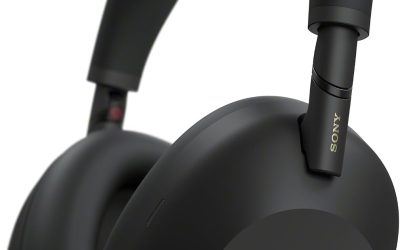
2Sony MDR-ZX310AP ZX Series Wired On Ear Headphones with
The Sony MDR-ZX310AP is a wired on-ear headset from a brand many teens already recognize. The listing highlights an integrated microphone, 30mm dome type driver units and a lightweight, adjustable housing. That mix makes it a natural fit for a teenager who wants one pair for music and for voice calls without carrying a separate headset. It earns second place because it covers the basics well and looks understated enough for school, the commute or a part time job.
The drivers are described as dome type units measuring 30mm, a size that is common in compact on-ear designs and aimed at clear, easy to listen to sound. The ear housings swivel and fold, so the headphones collapse into a smaller shape for a bag. The cable uses a Y-type layout with a four-conductor gold plated L-shaped plug. In plain terms, that means a connector built to carry both audio and the microphone signal through a standard phone jack.
This pair suits teens who spend a lot of time moving, whether that means walking to school, riding the train or switching between a phone and a tablet. The mic helps with calls, voice chat in casual games and online classes when the device supports headset audio. Parents who want a recognizable brand and a design that does not shout for attention may feel comfortable choosing it. Teens with larger heads should check the fit, since on-ear cups sit directly on the ears.
Keep in mind that the listing describes no volume limiting feature, so loudness stays entirely in the hands of the listener. A good habit is to keep the level low enough to still hear someone talking nearby, and to pause now and then. Computers with separate headphone and microphone sockets may need a splitter or adapter before the mic works. The cable is fixed in place, so handle the plug gently when pulling it out of a device.
Integrated microphone
Trusted Sony name
Swivel folding for bags
Gold plated L-shaped plug
No volume limiter listed
Fixed cable
3KVIDIO Wired Headphones with Mic
The KVIDIO Wired Headphones with Mic in black are the over-ear choice on this list for teens who like a roomier fit. The listing describes 40mm drivers, passive noise isolation, a built-in microphone and in-line controls. Soft leather ear cushions and a padded headband round out the comfort story. It ranks third because it brings a lot of features together in a school oriented package, while the cups surround the ears rather than pressing on them.
Over-ear cups create a seal around the ear, and that passive isolation can dull classroom chatter or household noise without any electronics. The headband has five adjustment levels, and the cups swivel by 90 degrees so the headphones can rest around the neck between songs. The listing also mentions reinforced steel components, a nylon braided cable and a 120 degree L-shaped gold plated jack. In-line buttons handle volume, play and pause, and skipping tracks on supported devices.
Teens who study for hours, edit videos or play games on a tablet may find the larger cups more relaxing than a compact on-ear style. Listings describe crisp highs and deep bass, which many teens enjoy for pop and hip hop. The foldable shape helps when a locker or backpack is crowded, and the microphone supports online lessons and group calls. Families sharing one pair across a laptop and a phone will like how the five levels cover different head sizes.
Read the fine print before buying. The listing says the in-line volume button does not work on desktops and some laptops, so volume must be changed on the device itself. A phone without a headphone jack needs an adapter. Passive isolation can also make it harder to notice traffic or announcements, so teens should lower the volume or lift one ear cup when walking near roads. Moderate volume and regular breaks remain the safest habit.
Roomy over-ear cups
Five level headband
Leather cushions and padded band
Nylon braided, tangle-free cable
In-line volume skips desktops
Bulkier than on-ear pairs
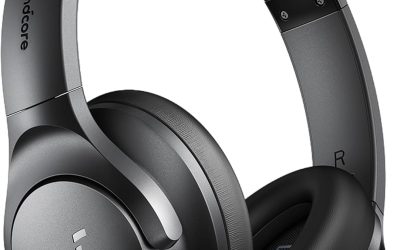
4AC01 Over-Ear Headphones Wired with Mic Volume Control
The AC01 Over-Ear Headphones with Mic and volume control come from a generic label, so this section sticks to what the listing says. It describes a 40mm DLC dynamic driver, a 360 degree over-ear noise isolation build and extra large cushioned ear pads. A microphone and built-in volume buttons are included as well. It lands in fourth place as the pick for teens who care most about shutting out the room around them while they study.
According to the listing, the closed over-ear shape can block out up to 85 percent of ambient sound, though that is a manufacturer claim and real results depend on the room and the fit. The ear pads combine protein leather with breathable mesh and measure 3.54 inches by 1 inch. The mic is described as picking up voice well and reducing wind noise during calls. A gold plated 3.5mm plug connects to phones, Fire tablets and Chromebooks, and the frame folds for travel.
This is a sensible option for a teen who shares a busy home, studies near a TV or needs focus in a noisy library. The large cushions are meant for long sessions, and the foldable build helps with school bags. Online class and voice chat users will appreciate having a mic, and the volume buttons make quick adjustments easy on a phone. Teens who mainly game on a desktop should read the compatibility notes first, since extra steps are needed there.
The listing is direct about its limits. Volume control and the microphone do not work with PC computers, and using the mic on a PC calls for a separate adapter. Strong isolation also means less awareness of surroundings, so it is better for desks and quiet rooms than for busy streets. Because the label is generic, parents may want to look over the return policy and warranty details on the live listing. As always, keep volume moderate and take regular breaks.
Closed over-ear isolation
Large breathable ear pads
Volume buttons and HD mic
Foldable and light
Mic and volume skip PCs
Generic, lesser known label
5ARTIX Wired Headphones with Mic
The ARTIX Wired Headphones with Mic are marketed for kids, teens and adults, which makes them a flexible shared pair. The listing highlights a foldable over-ear design, noise isolation, an in-line microphone and volume control that works with mobile devices. It takes fifth place because it stretches beyond a phone, with the description naming PC, Mac, PS4, PS5 and Xbox as compatible with its 3.5mm plug. That breadth suits households with several screens.
Plug and play is the main idea here. A 3.5mm jack and a long cord give some freedom to sit back from a screen, and the over-ear cups are described as soft and cushioned with an adjustable headband. The in-line mic is meant for calls, podcasts, meetings and game chat. The listing notes that the volume control only works on mobile devices, so on consoles and computers the level is set through the system or the controller instead.
Teens who split their time between homework on a Chromebook and games on a console are the natural audience. The mic covers group chats and class calls, and the long cord means a teen does not have to hunch beside a screen. Parents like having one pair that serves a tablet in the car and a laptop at home. The listing frames it as a back to school accessory, which fits its simple, no setup character.
Some limits apply. Console controllers differ, and some need a headset adapter or a controller jack that supports a microphone, so check your setup first. The in-line volume does not function on every device. Because no volume limiting feature is mentioned, parents may want to set limits in the device settings and encourage short sessions with breaks. The description uses broad marketing wording, so expect a straightforward everyday headset rather than a specialist gaming product.
Fits kids, teens and adults
Works with PC, Mac and consoles
Long cord for flexibility
Foldable over-ear shape
Volume control mobile only
No volume limiter listed
6AILIHEN C8 Kids Wired Headphones with Mic for School
The AILIHEN C8 Kids Wired Headphones with Mic are described as suited to school aged children and older teens, which gives them a place in a teen guide. The listing highlights an in-line mic, a remote with volume control and an adjustable headband. It ranks sixth and takes the school days award because the whole description centers on classrooms, online lessons and home study rather than on commuting or gaming. Gift buyers get a neutral look that is not tied to one age group.
Comfort details include ultra-soft breathable ear cushions on a lightweight on-ear design that the listing says gives some isolation from classroom noise. The headband adjusts as a child or teen grows. Connectivity relies on a sturdy 3.5mm audio jack and a 59 inch braided cable that resists tangles. The listing names Chromebooks among compatible devices, which matters because many schools hand out these laptops. The in-line remote lets a student answer a call or skip a track.
This is a good fit for a younger teen who is moving up from kid sized headphones but is not ready for a bulky adult over-ear pair. Students can take online classes, record a voice message and listen to music without extra gear. The look is neutral, so it works as a birthday or back to school gift for boys and girls alike. A 59 inch cable gives enough slack for a laptop sitting on a desk.
Check one thing before buying: the listing says the in-line volume button is not available when connected to a PC, so volume has to be set in the computer settings. On-ear cushions sit on the ear, which some older teens find less relaxing than over-ear cups. No volume limiter is described, so the usual advice applies: keep the level moderate and encourage short breaks. The braided cable looks tough, but it is fixed, so treat the plug gently.
Made with school use in mind
Breathable padded cushions
Long braided cable
Neutral look for gifting
Volume button skips PCs
On-ear fit may be small for some
7Sony ZX Series Wired On-Ear Headphones
The Sony ZX Series MDR-ZX110 is the simple, no frills choice. The listing describes lightweight 1.38 inch neodymium dynamic drivers, closed-back on-ear cups, swiveling earcups and a 3.94 foot cord. There is no microphone in the description, so it is a listening only design. It ranks seventh because it keeps things basic, which can suit a teen who just wants music and videos without extra buttons. A short cord also keeps things tidy when the source is a phone.
Sound specs in the listing include a frequency range of 12 Hz to 22 kHz and an impedance of 24 ohms at 1 kHz. A low impedance like this is easy for phones, tablets and laptops to drive without a separate amplifier. The closed-back shape traps sound inside the cups and cuts some outside noise. The L-shaped 3.5mm stereo mini plug sits close to the device, and the swiveling cups fold flat for storage.
A teen who listens on a phone while walking, riding a bus or doing chores will find the compact, light build handy. It also suits a second pair that lives in a school bag as a backup. Because there is no mic, it is not meant for calls or online class discussion, so students who need to speak should look at the models above. The listing points to travel as a specific use, which fits its fold flat shape.
The short cord is the main practical caveat. At about 3.94 feet it works well for a phone in a pocket but may feel limiting with a laptop on a desk. Closed-back cups also keep sound inside, which can tempt listeners to turn the volume up, so keep it moderate and take pauses. Phones without a headphone jack need an adapter, and the fixed cable means the plug deserves gentle care.
Simple and light
Easy for phones to drive
Swiveling, fold flat cups
Closed-back design
No microphone listed
Short cord
8Audio-Technica ATH-M20x Professional Studio Monitor Headphones
The Audio-Technica ATH-M20x is a studio monitor headphone, which makes it the odd one out and the pick for young creators. The listing says it is designed for studio tracking and mixing, with 40mm drivers using rare earth magnets and copper clad aluminum wire voice coils. It takes eighth place because it suits a teen who is starting to record, edit video or learn beatmaking, and it is not built around calls or classroom chat.
Studio headphones are made to show what is in a recording rather than to flatter it, though this model is described as tuned for enhanced low frequency performance. The circumaural design contours around the ears, and the listing says it gives excellent sound isolation in loud environments. A single side cable exit keeps the cord to one side so it is less likely to snag while working at a desk. Nothing in the listing mentions a mic or in-line controls.
Picture a teen with a laptop, a free digital audio workstation and a small keyboard, or a student editing video for a school project. Closed cups limit sound leaking into a shared room, which helps when siblings are nearby. Many families also see it as a step up for an older teen who has outgrown colorful school headphones. It works well for focused listening at home too, where a mic is unnecessary.
Plan for the trade offs. With no microphone listed, it will not handle online classes or voice chat unless paired with a separate mic. Studio pairs can look more serious than a typical school headset and may feel bulkier in a small bag. Check the connector and adapter needs of your device, because the data here gives limited cable details. Keep volume moderate, since a bass tuned design can tempt people to turn up.
Built for tracking and mixing
40mm drivers with copper clad coils
Closed design isolates loud rooms
Single side cable exit
No mic or in-line controls listed
Less school oriented styling
How to Choose the Best Wired Headphones For Teenagers
Why Wired Headphones Still Make Sense for Teens
Wireless gets most of the attention, yet a corded pair still solves several teenage problems. There is no battery to forget on the charger, no pairing menu to fight with before first period, and no worry about losing one tiny earbud. A cable simply plugs in, and the sound starts. For students on school Chromebooks, that simplicity matters a great deal.
Wired models also tend to be more affordable for the features they offer, which helps when headphones get dropped, left on buses and sat on in backpacks. Without a wireless chip, the audio travels straight down the cable, so there is no connection delay to worry about when watching videos or playing games. Parents get fewer accessories to manage, and teens get fewer excuses for silence.
Over-Ear or On-Ear: Which Fits a Teenager Better
Over-ear cups surround the whole ear, which spreads pressure and usually feels better during long study sessions. They also form a seal that blocks more outside sound. The trade off is size, since bigger cups take up more bag space and can feel warm in summer. Teens who like to wear headphones for hours often prefer this shape. Many teens end up owning one of each over time, using the roomier pair at home.
On-ear cups sit on the ear itself, so they are smaller, lighter and easier to toss into a bag. Some people feel the pressure on the ear after a while, especially with glasses. Teens with smaller heads often find on-ear styles easier to fit properly. If you are unsure, think about how long the headphones will be worn each day and where they will be carried. Trying both shapes on a head is the best guide, and a generous return window on the live listing is a useful safety net.
Microphones and In-Line Controls for Online School
Most picks here have a small microphone on the cable, which is the part that matters for video classes, group projects and casual voice chat. A cable mic sits closer to the mouth than a laptop microphone, so voices tend to sound clearer and the room sounds quieter. The same module usually carries volume, play and pause buttons, saving a teen from reaching for a phone.
Compatibility is the catch. Many laptops and desktops have separate headphone and microphone sockets, and several listings here warn that the mic or the volume buttons may not work on certain computers. A small splitter or adapter can solve that, and phones, tablets and many Chromebooks usually handle a combined jack well. Check the device before buying to avoid frustration.
Volume Habits and Listening Responsibly
Teens often listen for hours, so volume habits matter more than any single feature. Among our picks, only the Skullcandy Icon 180 lists a maximum volume, stated as 85dB. The other models do not mention a limiter, which means the volume is controlled only by the person wearing them. Even with a cap, no headphone can promise perfect safety, so treat any limit as a helpful extra.
A simple family rule works well: keep the level moderate, so you can still hear people speak nearby, and take short breaks during long sessions. If the sound seems too loud when others are talking beside you, turn it down. Parents can also use device settings to cap volume, and encourage teens to be aware of traffic and announcements while out.
Getting a Good Fit as Teens Grow
Teenagers grow quickly, and a headband that fits at thirteen may feel tight at sixteen. That is why adjustable bands are worth checking. The Skullcandy listing gives a stated range of 12 to 18cm, while the KVIDIO model advertises five adjustment levels. A band that can stretch with a teen saves the cost of replacing the pair every year or two.
A good fit feels snug without squeezing. The cups should cover or sit squarely on the ears, and the headband should rest on the head without a sharp press at the top. Glasses wearers should look for soft cushions that do not push the frame arms into the skin. If the pair will be shared among siblings, an adjustable band with easy sliding action is especially useful.
Cable Length, Plugs and Adapters
Cable length changes how a pair feels in daily life. Around four feet suits a phone in a pocket, while a laptop on a desk is more comfortable with a longer cord. The AILIHEN listing mentions about 59 inches, and the KVIDIO listing mentions a braided cable. Braided covers tend to resist tangling, and an L-shaped plug sits flatter against a phone case.
Many newer phones skip the headphone jack, so a small adapter may be needed, either for USB-C or for a Lightning port. Choose an adapter that supports a microphone if the headset has one, because some basic adapters carry audio only. Keep a spare in the school bag, and unplug by holding the plug rather than the cord to protect the connection.
Durability for Backpack Life
A teenager’s bag is rough on electronics. Headphones get squashed under books, tossed on floors and pulled by the cord. Fold-flat or swiveling cups let a pair pack into a smaller space, which reduces the stress on the hinges. A padded headband and cushions help comfort, while strong plastic or metal parts, such as the reinforced steel mentioned for the KVIDIO model, help it last.
Cables are the usual weak point. A braided cord holds up better to bending than a thin smooth one, and a fixed cable avoids the loose connector that detachable designs sometimes develop. Wind the cord loosely instead of tightly around the headband, and store the pair in a bag pocket. A soft pouch costs little and can add months of life.
Noise Isolation Versus Staying Aware
Closed designs reduce outside noise without any batteries by physically blocking some of it. That helps with study focus and also lets teens listen at a lower volume in busy rooms, since they are not fighting background chatter. Over-ear pairs tend to do this best, while on-ear pairs offer a lighter version of the effect. Isolation is a comfort feature and never a substitute for sensible habits.
The flip side is awareness. Strong isolation can mask traffic, bike bells, announcements and family calls. Teens who walk or cycle should lower the volume, or wear only one ear cup, near roads. Indoors at a desk, a closed pair is a good fit. Outdoors, keep the sound modest and stay alert to what is happening around you. A quick rule is that if you cannot hear a friend call your name, the headphones are working too hard.
Compatibility With Chromebooks, Tablets and Consoles
Most wired headphones use a 3.5mm plug, so they connect to a surprising range of gear. School Chromebooks, tablets, handheld players and many phones work straight away. Check whether the device has a combined headphone and mic socket, since that decides whether the cable mic will work. The listings here often mention Chromebooks, tablets and laptops as common targets. That small bit of checking saves a return later.
Game consoles are different. The ARTIX listing names PS4, PS5 and Xbox, but each controller handles headsets in its own way, and some need a headset adapter for mic audio. Gaming on a PC usually requires a splitter if the case has two sockets. When in doubt, read the device manual or the live listing notes before purchase. Keep any adapter in the same bag pocket as the headphones so it never gets separated.
Sound Character: Bass, Balance and Clarity
Teens usually like energetic sound, and several listings talk about punchy bass and crisp highs. These are marketing descriptions, so treat them as a hint about the intended style rather than a precise measurement. Larger drivers, such as the 40mm units on the KVIDIO and AC01 models, are commonly chosen for fuller sound, but design and tuning matter just as much as size.
For homework and calls, clear mids matter more than heavy bass, because voices need to stay easy to understand. For music, a bass lift can be fun, though too much can blur detail. The studio style Audio-Technica leans toward a more neutral approach with a described low frequency emphasis. Choose the sound that suits what your teen listens to most.
Style, Colors and Gifting
Looks matter to teenagers, and a pair that feels babyish tends to stay in the drawer. Neutral black pairs, such as the Skullcandy, Sony and KVIDIO models, blend into school life without drawing attention. The AILIHEN design is described as neutral for all genders, which makes it an easy gift. Studio pairs like the ATH-M20x look more grown up and appeal to teens interested in music.
For gifting, think about the main use first. A student who spends the day on video calls should get a pair with a mic, while a music maker should get a pair designed for listening accuracy. Include a small adapter if the phone lacks a jack. Whatever the choice, a short chat about volume habits makes the gift more useful.
Caring for Your Headphones
A little care keeps a wired pair working for years. Wipe the cushions with a slightly damp cloth, let them dry fully, and avoid soaking them. Do not leave headphones in a hot car or direct sun, because heat can soften cushions and glue. Store them in a pouch or a bag pocket, away from keys and sharp objects that might cut the cable. These small habits cost nothing and protect the pair.
Handle the cable gently. Pull from the plug, not the cord, and avoid wrapping it tightly around the band or around your hand. If one side goes quiet, a loose connection is the usual cause, so check the plug and the device jack first. Replace worn cushions on models that allow it, and retire any pair with exposed wires. A pair that is looked after can easily outlast a school year or two of daily use.
Frequently Asked Questions
What are the best wired headphones for teenagers?
Our top pick is the Skullcandy Icon 180, thanks to its adjustable headband, in-line mic and listed 85dB maximum volume. The KVIDIO over-ear model and the Sony MDR-ZX310AP are strong alternatives, depending on whether you want roomy cups or a compact on-ear headset.
Are wired headphones better than wireless for teens?
Neither is better for everyone. Wired pairs need no battery or pairing, work well with school Chromebooks and avoid connection delay. Wireless offers freedom from a cable. Many families like wired models for school because they are simple, durable and more affordable for the features.
Do these headphones have a microphone for online classes?
Most do. The Skullcandy, Sony ZX310AP, KVIDIO, AC01, ARTIX and AILIHEN listings all mention a built-in mic. The Sony ZX110 and the Audio-Technica ATH-M20x do not list one. Check your device, since some computers need a splitter for the mic to work.
Which model has a volume limit?
Only the Skullcandy Icon 180 lists a volume cap, stated as an 85dB maximum. The others do not mention one. Even with a limit, keep the volume moderate, take breaks and supervise younger teens, because no headphone can guarantee hearing safety.
Should a teenager choose over-ear or on-ear headphones?
Over-ear cups surround the ears, feel roomier and isolate more noise, which suits long study sessions. On-ear cups are lighter and more compact, which suits commuting and small bags. Think about how long the pair will be worn and carried each day.
Will these work with a phone that has no headphone jack?
They will need a small adapter, usually USB-C or Lightning to 3.5mm. Pick an adapter that supports a microphone if the headset has one. Several listings also note that a conversion adapter is needed for devices without a jack.
Can I use them with a game console?
Often yes, but it depends on the controller. The ARTIX listing names PS4, PS5 and Xbox. Some controllers need a headset adapter for mic audio, so read your console manual. Plain listening usually works through the controller jack with no extra steps.
How do I choose the right size for my teen?
Look for an adjustable headband and soft cushions. The Skullcandy lists a 12 to 18cm range, and the KVIDIO offers five levels. The cups should sit comfortably on or around the ears without squeezing, and glasses wearers should check pressure points.
How can I make wired headphones last longer?
Pull from the plug instead of the cord, wind the cable loosely and keep the pair in a pouch or bag pocket. Avoid heat and wipe the cushions gently. A braided cable and swiveling cups can help, but careful habits matter most.
Are studio headphones a good idea for a teen?
They can be, for a teen who records music, edits video or wants accurate listening at home. The Audio-Technica ATH-M20x is aimed at that use. It lists no mic, so it will not suit online classes or voice chat on its own.
The Bottom Line
The best wired headphones for teenagers combine a good fit, a dependable cable and simple controls, and the Skullcandy Icon 180 is the strongest all round choice from our research. It offers an adjustable headband, an in-line mic and a listed 85dB maximum volume in a light, school ready shape.
If your teen prefers roomier cups, look at the KVIDIO model, and for calls on the go the Sony MDR-ZX310AP is a tidy option. Check live listings for current prices, keep the volume moderate and supervise younger teens.
Updated for the 2027 buying season. Amazon listings and availability change often, so check the product page for current details.
Write Your Review
No reviews yet. Be the first to share your experience!