

As an Amazon Associate we earn from qualifying purchases. If you buy through links on this page we may receive a commission at no extra cost to you. Product details come from Amazon listings and can change.
If you want the best open ear headphones for tracking your workouts, the first thing to know is that tracking can happen in two places. Some headsets carry their own sensors and GPS, while most simply play music and leave the counting to your phone or watch. This guide sorts eight open ear models by how well their listings fit a fitness routine, and it is honest about which features are actually stated.
The guide is written for runners, cyclists, gym regulars and commuters who want to hear traffic and coaching prompts at the same time. We cover bone conduction headsets, air conduction ear hook designs, battery life, water protection, app support and fit. Each pick has its own section with specs taken from the listing, plus practical caveats you should weigh before buying.
Prices change often, so we do not quote them here. Every product card links to the live listing, where you can check the current price, color choices and any bundle contents before you order.
Our top pick is the Bone Conduction Headphones with built-in heart rate, blood oxygen and GPS tracking, because it is the only listing that states on-board tracking. The SHOKZ OpenRun Pro is a proven sport design for runners who track with a phone, and the Nothing Ear (Open) suits people who want app control and clear calls.
Key Takeaways
Best Open Ear Headphones For Tracking at a Glance
| Product | Our score | |
|---|---|---|

Bone Conduction HeadphonesBest Overall
|
9.7 / 10 | Check Price → |

SHOKZ OpenRun ProBest Known Sport Design
|
9.0 / 10 | Check Price → |

Nothing EarBest for Calls and App Control
|
8.4 / 10 | Check Price → |

Bone Conduction HeadphonesBest for Smartwatch Pairing
|
8.4 / 10 | Check Price → |

PSIER Bone Conduction HeadphonesBest for Low Latency and App Extras
|
8.4 / 10 | Check Price → |

Bone Conduction Headphones Bluetooth 6.0 EarbudsBest Dual Driver Pick
|
9.7 / 10 | Check Price → |
CXK Bone Conduction HeadphonesBest for Translation and App Features
|
8.8 / 10 | Check Price → |

OHAYO Open Ear HeadphonesBest for Long Playtime
|
8.6 / 10 | Check Price → |
How We Chose the Best Open Ear Headphones For Tracking
This is a research based guide, not a lab comparison. We read each Amazon listing closely, comparing the stated specs, features and intended use, and then asked a simple question: how well does this product fit someone who wants to track workouts while keeping their ears open? Where a listing mentions heart rate, GPS, a companion app or sport use, we say so. Where it does not, we say that tracking depends on your phone or watch.
We also weighed comfort, fit stability, water protection, battery life and call quality, since these decide whether a headset is pleasant on a long run. We never invent features the listing does not state, and we do not claim any health measurement is accurate. Each pick carries an editorial score out of 10 on the site, which reflects how well the listed features match this keyword.
In-Depth Reviews
1Bone Conduction Headphones
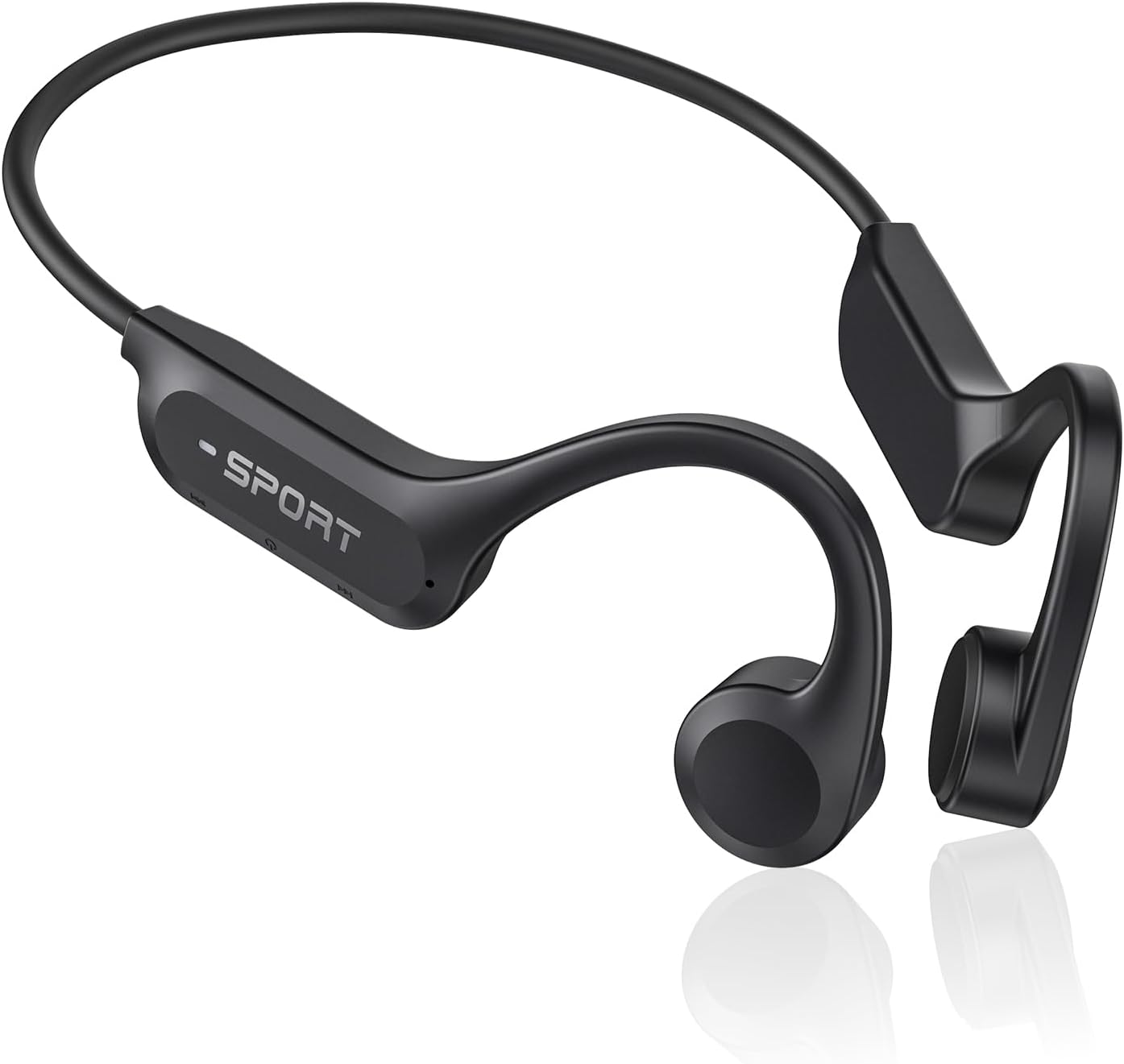
The Bone Conduction Headphones in this slot earn the top spot because they are the only product in the data that states on-board workout tracking. The listing describes heart rate and blood oxygen monitoring with a voice alert, plus GPS tracking of distance, pace and route. That puts tracking inside the headset instead of leaving it all to a phone or watch. For a guide about open ear headphones for tracking, that single fact matters more than any sound spec, which is why this model leads.
The listing says the heart rate alert fires by voice once the reading climbs above 180 BPM, so you can glance at nothing and still hear a cue. A voice broadcast also announces speed, time and distance while you move. The headset reportedly carries 32GB of built-in memory for offline songs, which means a run does not need a phone in your pocket. A magnetic charging dock and a Type-C adapter come in the box.
This model suits runners, cyclists and gym users who like to leave the phone behind and still keep a record of the session. The open ear design leaves your ear canals free, so traffic and passersby stay audible. Swimmers may find the sealed dock and the IPX8 mention interesting, but you should read the listing before taking any headset into a pool. It is a fitness aid, not a medical device, and readings should be treated as rough guidance.
There are a few caveats. The listing quotes two slightly different weights, so treat the featherlight claim as general rather than exact. Sensor based tracking on a bone conduction frame can vary with fit, sweat and movement, and we cannot promise accuracy of any measurement. Keep the volume at a safe level, because open ear designs let outside noise in and tempt people to turn the music up. Check the live listing for the current app details and return terms.
Heart rate and SpO2 stated
GPS route, pace and distance
Offline music storage
Voice announcements while moving
Accuracy is not promised
Weight figures differ in the listing
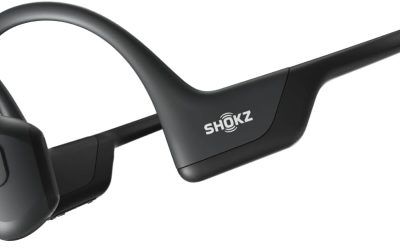
2SHOKZ OpenRun Pro
The SHOKZ OpenRun Pro represents the established end of the bone conduction category, and it earns its place through a clear sport focus. The listing calls it a bud free, open ear design with a wraparound titanium frame and a built-in microphone. It does not state any heart rate or GPS feature, so tracking would come from your phone, watch or running app. As a companion for that gear, it is one of the most workout oriented designs here.
According to the listing, sound reaches you through the cheekbones using the brand’s ninth generation bone conduction technology, with TurboPitch technology aimed at clearer sound, stronger volume and fuller bass. Because the ear canal stays open, the music is meant to blend with your surroundings. The headset advertises ten continuous hours of music and calls, and a five minute quick charge that gives up to 1.5 hours of use, which helps when you forget to plug in before a run.
This pick suits runners and gym users who already log workouts with a watch and just want an audio partner that stays out of the way. The listing says it pairs with Android, iOS, Windows and other Bluetooth devices, so one headset can follow you from phone to laptop. A hair band comes included, which can help people with longer hair keep the frame comfortable during hard sessions. Shared accounts and family devices are easy to connect, since the headset simply appears in the Bluetooth list.
Remember that bone conduction sound differs from in-ear sound, with less isolation and a lighter low end at low volume. The listing describes the headset as sweat resistant but does not give a water protection class, so avoid pool use and heavy immersion. Open ear listening can lead people to raise the volume, so keep it moderate. If you want the headset itself to count heart beats or steps, look at other products on this list.
Titanium wraparound frame
Quick charge feature
Works with several platforms
Hair band included
No built-in tracking stated
Water protection class not given
3Nothing Ear
The Nothing Ear (Open) takes a different route from the bone conduction models, using air conduction drivers that sit just outside the ear on adjustable hooks. It earns a spot in a tracking guide because the listing leans on sport and fitness use and offers app control through the Nothing X app. The listing does not mention heart rate or step counting, so you would still lean on a watch or phone for the numbers.
The listing describes a stepped driver with a titanium alloy coating, Bluetooth 5.3, multipoint pairing and dual microphones with AI noise reduction. Multipoint means the earbuds can stay linked to two devices, so a run playlist from your phone and a call from your laptop can both reach you. The Nothing X app is said to support EQ settings and a low latency mode, which gives you some control over how music and prompts sound outdoors.
This model suits people who take a lot of calls while walking, commuting or training, and who want a stylish pair that still keeps their ears uncovered. The hook is described as having a 50 degree tilt and skin friendly silicone, and the listing asks you to adjust the position until it feels right. That adjustability helps when you move between jogging, cycling and office days. Those who work from home may enjoy having clear voice prompts and meeting audio without removing the buds.
On the practical side, the listing gives about eight hours per charge and a case that adds more for 30 hours combined. The IP54 mention covers dust and splashes, which is lighter protection than the sealed bone conduction headsets here, so wipe the buds after sweaty sessions and avoid heavy rain. Open ear designs leak some sound to people nearby, so keep the volume reasonable on public transport. Remember to keep the case dry as well, because moisture in the charging contacts can cause problems over time.
Adjustable ear hooks
Multipoint connection
App EQ and low latency mode
Good case battery total
No tracking features stated
Lower dust and water protection
4Bone Conduction Headphones
This Bone Conduction Headphones model with a Bluetooth 5.4 headset is aimed squarely at runners, and its listing is written around that use. It does not mention built-in sensors, but it explicitly says the headset can pair with a smartphone, smartwatch or other devices. For people who already track pace, heart rate and routes on a wrist device, that makes it a sensible audio companion. Its simple feature list also keeps the shopping decision easy.
The listing promises up to 15 hours of continuous playback and a fast charging feature, which is a generous figure for this style of headset. Bluetooth 5.4 is described as giving a stable connection with an extended range of about 15 meters, so the headset should stay linked when the phone sits in a bag or a gym locker. Weight is stated at 29 grams, and the listing says the sound is stereo with bass and crisp highs.
The open ear structure rests on the cheekbones and leaves the ear canals open, so you can hear traffic and other runners. That fits road runners, cyclists on quiet routes and walkers who want to stay alert. A built-in microphone handles calls, though wind noise can be an issue for any exposed microphone at speed. Pairing with a watch only works if the watch supports Bluetooth audio, so check your watch first.
As a caveat, the listing gives an IPX6 sweat and water mention, which should cover sweat and splashes but is not meant for swimming. Bone conduction vibrations can tickle at high volume, so start low and raise slowly. The listing does not name an app, so there is no mention of custom EQ. Think of this as a simple, long lasting running headset rather than a feature packed tracker. Check the fit by shaking your head gently before you head out, and adjust the frame if it slides.
Long 15 hour playback
Pairs with phone or watch
Stable Bluetooth 5.4 link
Light 29g build
No companion app mentioned
No tracking features stated
5PSIER Bone Conduction Headphones
The PSIER Bone Conduction Headphones come with a fresh Bluetooth 6.0 chip and a companion app, which makes them one of the more connected headsets in this guide. The listing mentions running, cycling and hiking as intended uses, and names the Boean app for sound settings. It does not mention heart rate or GPS, so workout numbers still have to come from a phone or watch. The app and wireless features are the reasons it earns a spot here.
Per the listing, the headset uses 13 mm bone conduction drivers, a fully enclosed cavity design and 90 dB sensitivity, with 60 ms low latency and a range of about 33 feet. Low latency helps if you watch videos or follow guided workouts on a phone and want the audio to match the picture. The Boean app is said to offer EQ settings such as Bass Boost and balanced vocals, along with AI music creation and real time translation.
This pick suits tech curious shoppers who like tweaking sound and trying app features on top of normal workout playback. A memory titanium frame is described as contouring to the head, and the listing gives a weight of 23 grams, which is among the lightest bone conduction headsets here. That light build should help on longer walks and rides where a heavier frame might start to nag. Pair it with a watch or phone that already counts your laps and routes for a complete setup.
The listing says up to ten hours at half volume, and Type-C fast charging that refills the battery in roughly two hours. Treat the ten hour figure as depending on volume, since louder listening will drain the cells sooner. The IPX5 mention is a sweat and rain level, not a swimming one. Some of the app features, like translation and AI songs, may matter less to a runner than steady fit and battery, so weigh them honestly.
Bluetooth 6.0 connection
Low latency figure stated
Very light 23g frame
App with EQ options
No built-in tracking stated
Battery depends on volume
6Bone Conduction Headphones Bluetooth 6.0 Earbuds
This Bone Conduction Headphones Bluetooth 6.0 model stands out because it combines two sound paths in one headset. The listing describes a dual driver design that mixes bone conduction and air conduction, with low and high frequencies separated for a fuller sound. It does not mention tracking sensors or an app, so it is a pure audio companion for workouts that you log elsewhere. Its sound design is the reason it makes this list.
The listing gives a weight of 29 grams, a flexible titanium frame, a non-slip silicone coating and an elastic headband for stable wear during intense movement. A Bluetooth 6.0 chip is said to offer fast pairing and low latency, and there is a game mode as a second listening option. Switching modes could help when you move between a music playlist and a video based class on a phone. Having both modes in one headset gives you a way to match the audio to the activity.
People who run, cycle or train in the gym and want richer bass than a typical bone conduction headset can offer may find this design appealing. The air conduction path is meant to add depth that vibration alone can miss. It also suits commuters who want to stay aware while walking to a station. Because the headset hugs the head with a headband style fit, it should stay put during jumps and quick turns.
The listing quotes up to 12 hours of playback after about two hours of charging, which is a reasonable run time for a week of sessions. It also states IPX7 water protection and an anti-corrosion coating that is easy to clean, so wipe it after sweaty workouts. The two sound paths can leak slightly more sound to bystanders than a pure bone conduction headset, so use caution in quiet places. Keep volume safe, and do not rely on it for tracking.
Dual driver sound design
Game mode for video
Water protection class stated
Stable headband style fit
No tracking or app stated
May leak a little more sound
7CXK Bone Conduction Headphones
The CXK Bone Conduction Headphones are a sport headset that adds a companion app, which helps them fit a keyword about tracking more than a plain music player would. The listing mentions running, cycling and walking, plus the Boean app with custom EQ and AI generated songs. It does not claim heart rate or GPS features, so the actual counting of steps and distance would come from your phone. Here the app is about sound, not health data.
The listing describes bone conduction drivers, a built-in microphone and Bluetooth for faster pairing, and says the app can translate in real time across 91 languages. It also states IPX7 water protection and up to ten hours of music and calls per charge. A magnetic charging connection is mentioned in the listing, which is handy because small charging ports on sweaty gear tend to get dirty. These details give shoppers a clear view of what the headset is built to do each day.
This pick suits travelers who run in new cities and like the idea of a translation feature in the same app that controls their sound. A 28 gram wraparound frame with a flexible titanium core is described as keeping the headset secure while you move. The open ear structure is said to help reduce ear pressure, which some people prefer to the sealed feel of in-ear buds after a long day.
Be realistic about the extras. Translation needs a phone connection and depends on the app working well, so do not count on it for important conversations. The ten hour battery is fine for most runs but shorter than the 15 hour option on this list. Because the headset sits on bone, loud volume can create a buzzing feel, so keep it moderate. Read the current listing for app availability on your phone platform.
IPX7 water protection stated
Companion app with EQ
Lightweight titanium frame
Magnetic charging connection
No health tracking stated
Translation depends on the app
8OHAYO Open Ear Headphones
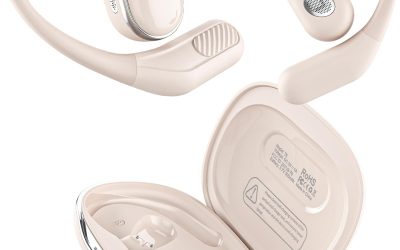
The OHAYO Open Ear Headphones swap bone conduction for ear hook earbuds with air drivers, and they make the list because the listing is built around cycling, running and workout use. A smart digital display on the charging case shows battery information, which is the closest thing to a status readout in this product. There is no mention of heart rate or step counting, so keep a phone or watch handy for the actual tracking.
The listing describes a quad speaker layout with dual drivers per earbud, 15 mm large diaphragm dynamic drivers and a dedicated amplifier chip. Bluetooth 5.4 is said to give faster transmission and a steady link, and a single button handles music and calls by touch. Each earbud is described as weighing only 8 grams, which should make them easy to forget once they are on your ears during a long session.
This is a strong fit for people who hate charging. The listing states ten hours of playtime from the earbuds and another 30 hours from the case, for a total of 40 hours. That could cover a full week of commutes and gym trips between plug ins. Cyclists and walkers who want hooks for a stable fit, but do not want a headband, are the likely audience for this model.
There are caveats. The listing mentions an IPX6 water mention, which suits sweat and rain but not swimming. Earbuds with hooks can press on the back of the ear after several hours, so take short breaks. Open ear sound leaks a little and can feel thinner in noisy streets. Single button controls are simple but offer fewer shortcuts than an app, and the listing does not name a companion app.
Long 40 hour combined playtime
Case with digital display
Very light earbuds
Secure ear hook fit
No companion app mentioned
No tracking features stated
How to Choose the Best Open Ear Headphones For Tracking
What open ear headphones can and cannot track
Open ear headphones are mostly audio devices. Even when a listing talks about fitness, the headset usually only plays music and takes calls. Real tracking needs sensors or a GPS chip, and in this guide only one listing states that it has them. Everything else relies on a connected phone, watch or running app to count steps, record routes and log heart rate.
That is not a flaw, because many runners prefer a watch for data and a headset for sound. The key is to know which job each device does before you buy. When a listing says tracking, look for the specific words heart rate, GPS or step counter. When it only says sport or workout, it means the design is built for movement and sweat, not that it records anything.
Bone conduction versus air conduction
Bone conduction headsets send vibrations through the cheekbones and leave the ear canal fully open. Air conduction open ear designs, like ear hook earbuds, place small speakers near the ear that aim sound into the canal without sealing it. Both let you hear traffic, though they sound different, and both let some sound leak to people around you. Neither design seals the ear, which is the main reason runners choose them over in-ear buds.
Bone conduction often feels more unusual at first, with a light tickle at higher volume and a thinner low end. Air conduction models usually sound closer to normal earbuds and can offer fuller bass. Some products, such as the dual driver headset in this guide, combine both methods. Try to pick the style that matches how you listen and where you exercise.
Heart rate and GPS built into a headset
A headset that carries its own heart rate sensor and GPS chip can record a workout without a phone. The top pick here describes exactly that, along with offline storage for songs. This is convenient for runners who dislike carrying anything, and it can give voice updates for pace and distance while you move. Offline songs mean the headset can serve as a small standalone workout device for people who like to travel light.
The trade off is that sensors in a small head worn device depend on fit and movement. We cannot promise any health reading is accurate, and a headset is not a medical device. If you care about precise data for training plans, compare it with a chest strap or a good watch. For casual runs and gym sessions, voice prompts can still be a helpful nudge.
Pairing with a phone or smartwatch
Most open ear headsets pair over Bluetooth with a phone, and many can also connect to a watch that supports audio playback. If your watch stores music, you can leave the phone at home and still get tracking from the watch and sound from the headset. Check that your watch can output audio over Bluetooth before you buy. Some watches also require you to enable audio output in the settings menu first.
Newer Bluetooth versions such as 5.3, 5.4 and 6.0 bring faster pairing and steadier links, which helps when the phone is in a bag. Range figures in listings are best case numbers, so walls and body position can shorten them. Multipoint support, as on the Nothing Ear (Open), lets one headset stay linked to two devices at once. Keep your phone close at first, then move farther away to learn how far the connection actually holds.
Fit and comfort for long workouts
Comfort decides whether you wear a headset for a full hour. Bone conduction frames wrap around the back of the head and rest on the cheekbones, while ear hook earbuds hang over the ear. Light weights, flexible titanium or memory metal frames and soft silicone coatings all help reduce pressure points. Glasses wearers should check how the frame sits with their temples.
A snug fit also prevents bouncing during sprints and jumps. Headband style or wraparound models usually hold best for intense training, while hook earbuds suit easier runs, walks and cycling. If a listing mentions adjustable parts, use them, because a small tilt can change both comfort and the way sound reaches your ear. Try the headset on at home first, since a short wear session often reveals pressure spots early.
Water and sweat protection explained
IPX codes describe how well a product handles water. A low number such as IPX5 or IPX6 generally covers sweat, rain and splashes, while IPX7 is built to survive short immersion. A listing that mentions IP54 refers to dust and splash protection. These figures are laboratory style classes, and real life use still wears down seals over time. Higher numbers do not always mean better protection against every kind of water, so match the class to your activity.
Always read what the listing says before taking a headset into a pool or shower, and rinse off salt or heavy sweat with a lightly damp cloth. Keep charging ports dry before plugging in. Magnetic charging docks, as mentioned on two products here, can lower the risk of moisture reaching the port. Letting the headset air dry after a workout is a simple habit that can extend its life.
Battery life and charging habits
Battery claims in listings are measured under ideal conditions, often at moderate volume. A headset that states ten hours will usually give less at high volume or with heavy call use. Cases extend total use for earbuds, which is why a pair with a 30 hour case can run a week or more between charges for light users. Cold weather can also reduce how long a small battery lasts during winter runs.
Quick charge features help on busy mornings. One bone conduction headset here lists a five minute top up for about an hour and a half of use. For long training weeks, favor a headset with a long single charge or a case, and make a habit of charging after your last session rather than before the next. Plan around the lowest realistic figure rather than the highest claim on the listing.
Sound quality and safe volume
Open ear headphones trade some bass and isolation for awareness. In noisy streets, the sound can feel thin because outside noise competes with the music. EQ options in an app can add some warmth, and bone conduction models often benefit from a gentle bass boost. Do not expect the same depth you would get from sealed in-ear or over ear designs.
It is tempting to raise the volume to beat traffic noise, but loud listening over long periods can be harmful. Keep the volume at a level that lets you hear your surroundings, and take breaks. Many phones include a listening safety feature that warns you when volume stays high for too long. If you notice ringing or discomfort, stop listening and give your ears a rest.
Calls, microphones and wind noise
Most open ear headsets include a built-in microphone for calls and voice assistants. Some describe dual microphones and AI noise reduction, while the top pick lists an AI noise-cancelling mic. Wind is the hardest challenge for any outdoor microphone, so clear calls at a jogging pace are never guaranteed. Placement of the microphone on the frame also affects how well your voice is picked up.
If calls matter, favor a model with more than one microphone and a design that holds the mic steadily near your jaw or cheek. For quick answer and hang up actions, physical buttons or touch controls are easier to find than apps. Try the mic by recording a voice note on a quiet day before relying on it during a busy ride.
Apps and extra features worth having
Companion apps can add EQ, firmware updates and shortcut settings. In this guide, two different apps show how software shapes the listening experience, mostly through sound profiles. None of them are health trackers by default, so check the listing for that specific claim before assuming your workouts will be logged. Updates can also fix connection quirks over time, so install them when they appear.
Extra features such as translation, AI music or game modes can be fun but are not the reason most people buy a fitness headset. Weigh them after fit, battery, water protection and sound. A simple headset that stays on your head and lasts long often serves a training routine better than a feature crowded one. Keep expectations modest and focus on how the headset feels on your head.
Safety when listening outdoors
Open ear design improves awareness, yet it does not remove risk. Keep volume moderate, stay alert at crossings and follow local rules about wearing headphones while cycling or driving. On busy roads, consider using only one side or lowering the volume so that horns and approaching vehicles are clear. Local laws differ, so it is worth a quick check before you ride or drive with any headset on.
At night, pair your gear with lights and reflective clothing. If you share trails with others, a quiet pause in the music helps you hear approaching runners and bikes. A headset can add motivation, but it should never replace your own attention to the route. Staying aware of your surroundings is the whole point of choosing an open ear design in the first place, so use that advantage well.
How to choose between these picks
Start with the question of tracking. If you want data from the headset itself, the top pick is the only listing here that states heart rate, blood oxygen and GPS. If your watch already handles tracking, choose by fit, battery and sound. Runners who sweat heavily may want an IPX7 or IPX8 mention, while commuters may care more about calls.
Next, decide between bone conduction and ear hook earbuds, and between a simple headset and one with an app. Check live listings for current stock, bundle contents and policies, because details change. If two products tie, pick the one with the more secure fit, since a headset that stays in place gets used more often. Reading the full listing before ordering is always smart.
Frequently Asked Questions
Can open ear headphones track my heart rate?
Only if the product includes a sensor. In this guide, the top pick lists heart rate and blood oxygen monitoring, while the others only play audio. Treat readings as rough guidance, since fit and movement can affect them.
Do I need a phone for GPS tracking?
Most open ear headsets rely on your phone or watch for GPS. The top pick lists built-in GPS and offline storage, which can allow phone free runs. Check the live listing for app and setup details before buying.
Are bone conduction headphones better than ear hook earbuds for workouts?
Neither is better for everyone. Bone conduction frames feel secure and keep the ear canal open, while ear hook earbuds usually sound closer to normal earbuds. Pick the style that fits your head, your sound taste and your sport.
Can I wear these headphones while swimming?
Only if the listing clearly says the product is made for it. Water protection codes vary, and many headsets cover sweat and rain only. Read the listing for the exact class and care notes before getting one wet.
Will open ear headphones be loud enough on busy roads?
They can struggle when traffic is loud, because outside sound competes with the music. Avoid turning the volume up too far. Keep it at a safe level so you can still hear the surroundings.
Do these headphones work with a smartwatch?
Many do, as long as the watch supports Bluetooth audio. The Bluetooth 5.4 bone conduction headset in this guide mentions pairing with smartwatches. Check your watch specifications and pair it before heading out.
How long does the battery last?
It depends on the model and your volume. The listings in this guide range from about ten hours on a headset to 40 hours in total for case based earbuds. Louder listening and heavy calls will shorten run time.
Is it safe to use open ear headphones while cycling?
They keep your ears open, which helps you hear traffic, but they do not make cycling risk free. Use a moderate volume, follow local rules and stay alert. Some riders use one side only.
Do open ear headphones leak sound to other people?
Yes, some sound can leak, especially at higher volume. Air conduction designs usually leak more than bone conduction ones. Keep volume lower on public transport and in quiet offices to avoid disturbing others.
Why do you not list prices?
Prices change often and vary by color, seller and promotion. We link each pick to its live listing so you can see the current price and bundle contents. That keeps this guide accurate for longer.
The Bottom Line
If tracking is your main goal, start with the Bone Conduction Headphones that state built-in heart rate, blood oxygen and GPS features, since no other product in this guide lists them. If you track with a watch or phone, the SHOKZ OpenRun Pro, the Nothing Ear (Open) and the other picks cover comfort, calls and battery in different ways.
Open the live listings to confirm current prices and specs, keep your volume safe and choose the fit that feels secure for your sport.
Updated for the 2027 buying season. Amazon listings and availability change often, so check the product page for current details.

Write Your Review
No reviews yet. Be the first to share your experience!