

As an Amazon Associate we earn from qualifying purchases. If you buy through links on this page we may receive a commission at no extra cost to you. Product details come from Amazon listings and can change.
If you search for the best open back headphones for lifting, you will find a mix of products that do not all match the name. True open back headphones are studio and desktop tools. They have grilles on the outside of each ear cup, they leak sound, and they are big. That makes them a poor fit for a rack, a bench, or a crowded weight room. What most lifters really want is the open feeling: ears not sealed, room sounds still audible, and a light fit that stays put.
This guide covers eight products from our research list that deliver that open style in different ways. Seven are open ear bone conduction sets or open ear earbuds designed for movement, and one is a genuine open acoustic gaming headset that we include as an honest contrast. We say clearly where a product is open ear or open style rather than open back.
It is written for lifters, home gym users, and anyone who trains while keeping an ear on the room. Prices change often, so we do not quote them and instead link to live listings where you can check the current offer.
The SHOKZ OpenRun Pro is our top pick because it pairs a bone conduction open ear design with a sturdy titanium frame and ten hours of battery. The CXK is a strong second for IPX7 protection, and the PSIER adds Bluetooth 6.0 and low latency. The EPOS H6Pro is the only true open style headset, and it is for desks, not workouts.
Key Takeaways
Best Open Back Headphones For Lifting at a Glance
| Product | Our score | |
|---|---|---|

SHOKZ OpenRun ProBest Overall
|
9.0 / 10 | Check Price → |
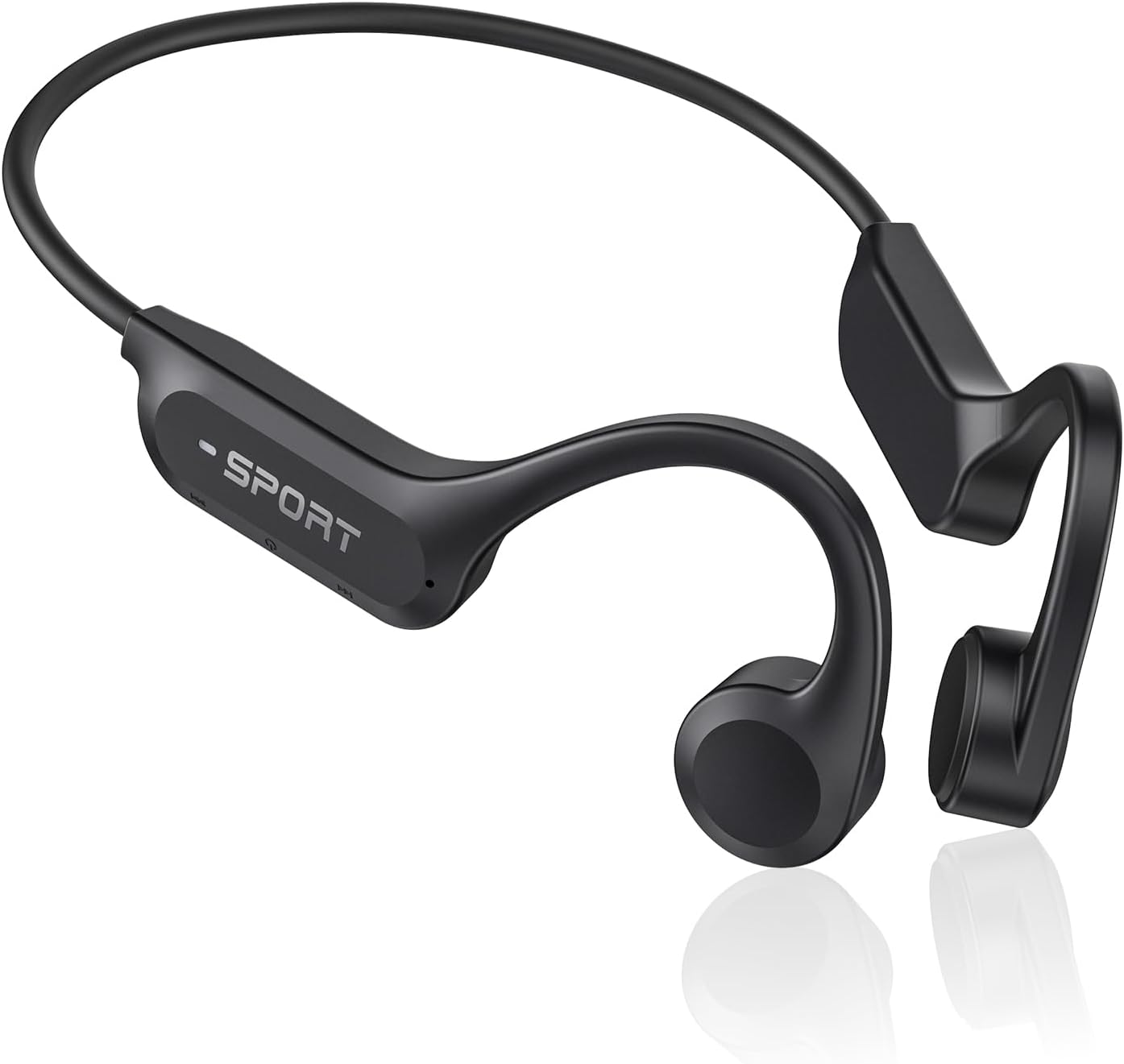
CXK Bone Conduction HeadphonesBest Water Protection
|
8.8 / 10 | Check Price → |

PSIER Bone Conduction HeadphonesBest Tech Specs
|
8.4 / 10 | Check Price → |

Bone Conduction Headphones for Running with mic and RearBest for Night Training
|
8.4 / 10 | Check Price → |

Soundcore V20i by Anker Open Ear EarbudsBest Open Ear Earbuds
|
8.8 / 10 | Check Price → |

Altec LansingBest Case Battery
|
9.7 / 10 | Check Price → |

Aftershokz OpenMove Wireless Bone Conduction Open-Ear Bluetooth Headphones IncludesBest Bone Conduction Basics
|
9.0 / 10 | Check Price → |

EPOS H6ProBest Open Acoustic Headset
|
8.6 / 10 | Check Price → |
How We Chose the Best Open Back Headphones For Lifting
This is a research based guide, not a lab comparison. We read each product listing closely, looked at the stated specs, features and design, and judged how well each product fits lifting and gym style training. Where a listing gives a fact, such as a battery figure or a protection class, we repeat it. Where it is silent, we speak in general terms about the technology and avoid guessing.
Because the keyword says open back, we also checked whether each product is truly open back, open ear, or open style, and we label that plainly. Each pick has an editorial score out of 10 shown on the page, which reflects fit for the use, listed features, and value. Prices move, so please check the live listing before you buy.
In-Depth Reviews
1SHOKZ OpenRun Pro
The SHOKZ OpenRun Pro leads this list because it is the closest match between the keyword and real gym use. It is not an open back studio headphone. It is an open ear bone conduction headset that rests against the cheekbones instead of covering or sealing the ear. The listing calls it the brand’s best fit yet and describes a bud free design that avoids the discomfort of in ear tips. For a lifter who wants music without a heavy cup on the head, that is a sensible place to start.
Bone conduction sends sound as small vibrations through the cheekbone, so the ear canal stays open to the room. The listing names a ninth generation bone conduction system and TurboPitch technology, and it promises clear sound, strong volume and rich bass. A built in microphone handles calls, and the headset pairs with Android, iOS, Windows and other Bluetooth devices. A wraparound titanium frame is the part that keeps everything steady when your head moves under a bar.
This model suits lifters who also run, row or do circuits, because it stays put during intense training according to the listing. It also suits people who want to hear a spotter, a coach, or a gym announcement. The sweat resistant design is stated in the data, which is useful for long sessions. A hair band is included for extra stability, which some people like during overhead work or fast conditioning rounds. Many lifters value that blend of awareness and security.
There are practical caveats. Bone conduction sound is lighter in deep bass than a sealed set, and in a loud gym you may be tempted to raise the volume, so keep it at a comfortable level. The frame sits behind the neck, which can touch a barbell on some back squat positions, so check clearance on your own setup. Ten hours of playtime is generous, and the listing mentions a five minute quick charge for up to 1.5 hours.
Wraparound titanium frame
Ten hours of music and calls
Quick charge option
Sweat resistant design
Bass is lighter than sealed sets
Frame can touch a bar on some lifts
2CXK Bone Conduction Headphones
The CXK Bone Conduction Headphones take second place because the listing states strong protection and a very light build. It is an open ear set, not open back. The listing names IPX7 protection against sweat and rain, which is a clear plus for lifters who finish a session soaked. The same text mentions workouts, commuting and outdoor use, so it works as a gym set that also handles the walk home. That mix of rain and sweat cover makes it easy to recommend to anyone training hard.
The headphones use bone conduction drivers, so sound travels through the bones of the face while the ears stay free. The listing gives the weight as 28g and describes a flexible titanium wraparound frame. It also lists Bluetooth for faster pairing, a stable connection, and a built in microphone for calls. The open design is said to reduce ear pressure and listening fatigue, which is a comfort claim about fit, not a health claim. The result is a set that keeps the room audible while you work.
A companion app called Boean adds custom EQ settings, with options for enhanced bass and clearer vocals, plus extra features such as AI music and real time translation in 91 languages. Lifters can use the EQ to nudge the sound toward punchier mids for a workout playlist. The app features are optional, and the core job is simple: light open ear audio for training, running, cycling and walking. It is a simple feature set that lets you focus on the next rep.
Keep expectations realistic. As with any bone conduction set, the sound is tuned for awareness first and bass second, so it will not match a closed headphone for impact. The listing gives up to 10 hours of playtime, which covers many sessions between charges. Try the fit with your usual lifts, since a frame that suits a run may feel different with a bench pad behind your head. A quick fit check before your first heavy session saves frustration later.
IPX7 protection stated
Light 28g frame
App with adjustable EQ
Ten hours of playtime
Lighter bass than sealed sets
App extras may not matter to lifters
3PSIER Bone Conduction Headphones
The PSIER Bone Conduction Headphones earn the specs award because the listing is packed with concrete numbers. This is an open ear bone conduction set, so it belongs to the open style family rather than the open back studio family. It is built for running, cycling, hiking and workouts, and its short list of stated figures makes it easy to understand what you are getting for the money. That openness about specs is rare in this category.
The headline feature is Bluetooth 6.0, which the listing connects to quick pairing, a stable link, and a range of 33 feet. It also states 60 ms low latency, helpful if you watch a training video or a form check clip and want the sound to match the picture. The drivers are listed at 13 mm with 90 dB sensitivity, and the design uses a fully enclosed cavity, as described in the data. Together these details paint a clear picture of what the hardware is built to do.
Comfort is a selling point. The listing gives a weight of 23g and describes a memory titanium frame that contours to the head. The open ear structure keeps the ear canals free for airflow, which many lifters find more pleasant than a sealed bud during long sessions. The set carries IPX5 protection against sweat and sudden rain, according to the listing, and the Type-C fast charging mentioned in the listing helps it recover quickly. The rest of the text covers everyday use beyond lifting too.
Who should consider it? Lifters who like numbers, want a very light frame, and watch clips between sets will appreciate this one. The listing says up to 10 hours of music or podcasts at 50 percent volume, so battery drops when you push the level higher. Because bone conduction leaks more at high volume, keep it moderate near other people, and remember that the sound favors awareness over heavy bass. It is a thoughtful pick for a tech minded gym regular.
Bluetooth 6.0 with 60 ms latency
Very light 23g frame
IPX5 protection stated
Type-C fast charging
Battery figure assumes half volume
Bass is not deep
4Bone Conduction Headphones for Running with mic and Rear
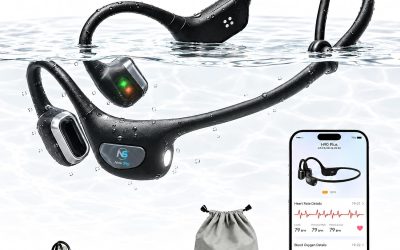
This bone conduction set stands out for one unusual feature: a built in rear safety light. The listing positions it for running, cycling, commuting and low light workouts, and it also names gym sessions. It is open ear rather than open back, and it targets people who split their week between the weight room and the road. A light on the back of the head is a small touch that suits early morning or late evening training. For many shoppers that is a real selling point.
The headphones use open ear bone conduction so traffic, voices and gym noise stay audible. The listing describes a switch between Indoor Mode and Outdoor Mode. Indoor Mode is described as balanced for work, calls, podcasts and gym sessions, while Outdoor Mode delivers fuller sound for running and cycling. A clear call microphone and USB-C charging round out the basics, and the listing states up to 10 hours of playtime. Both modes are meant to make the set flexible across the week.
For fit, an adjustable silicone back strap is said to give a more secure and personal feel across different head sizes. That matters for lifters, because a loose frame can slide when you rack a heavy set or move quickly between stations. The listing states IP66 sweatproof protection, so it is made for sweaty sessions. The lightweight open design is meant to stay comfortable through long workouts and all day wear. Those details make it easier to trust during active sets.
The caveats are mostly about expectations. Bone conduction will not isolate you from a noisy gym, and the sound is more about awareness than punch. The rear light is a safety feature for outdoor use, so you may not need it indoors. Check how the strap sits with your usual lifts, and keep the volume moderate so you can still hear a spotter and the equipment around you. Used sensibly, it is a handy all round training companion.
Rear safety light for dark sessions
Adjustable silicone back strap
IP66 sweatproof protection stated
Indoor and Outdoor sound modes
Light matters mostly outdoors
Does not block gym noise
5Soundcore V20i by Anker Open Ear Earbuds
The Soundcore V20i is the pick for people who want open ear earbuds instead of a neck frame. It is a true wireless set, so there is no band behind the head to meet the pad of a bench or the bar on your back. The listing describes non intrusive open ear comfort for all day wear, and it is not an open back design in the studio sense. It is an open ear earbud that leaves the canal open.
Several features are spelled out in the data. The drivers are 16mm with titanium coated domes, paired with proprietary BassUp technology that aims for richer bass. Four microphones and an AI algorithm are meant to keep calls crisp. The earbuds offer four adjustable positions that you rotate to find a comfortable and stable spot. Customizable lights that sync with the music are also listed, which is more of a style extra than a gym need.
This model suits lifters who prefer small earbuds and who need strong call quality between sets, or who walk to the gym and want to hear traffic. The open ear design keeps the room audible, which helps when you train near other people or follow a coach. Because the fit relies on rotating positions, take a minute to find the angle that holds still during squats, rows and presses. Small adjustments to the angle often make the biggest difference in comfort.
Be honest about limits. The listing does not state any sweat or water protection, so check the live page before wearing it through heavy, drenching sessions. The listing also does not provide a playtime figure in the text we reviewed. Open ear earbuds leak sound outward at higher volume, so keep it modest. Treat these as a stylish everyday set that can join a lighter workout. That makes them a sensible option for easy days rather than hard conditioning.
True wireless with no neck frame
16mm drivers with BassUp
Four microphones for calls
Four adjustable fit positions
No sweat protection stated
Lights are a style extra
6Altec Lansing
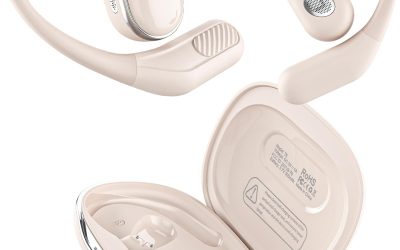
The Altec Lansing Sport Nano wins the battery award on the strength of its charging case. The listing describes open ear wireless earbuds designed to stay secure without pressure in the ear canal. They are aimed at active lifestyles and extended listening, which includes training. Like the other earbuds here, they are open ear and not open back, and the listing does not claim a studio style open back design. The case is the main reason they earned this award.
The numbers are clear in the data. You get five hours of playtime on a single charge, plus three additional charges from the compact carry case, for a total of 20 hours of listening. That is helpful for lifters who forget to charge between workouts, because a quick drop back into the case between sessions keeps them topped up. Auto On and Auto Pairing connect the earbuds as soon as you open the case.
These earbuds suit people who want a small, pocketable set for the gym bag, the commute, and the odd multitasking day. The ergonomic open ear shape is described as comfortable for all day wear, and the listing says the earbuds stay in place while training, commuting or multitasking. That makes them a sensible choice for a simple routine, such as steady cardio warmups and light accessory work. It is an easy set to toss in a bag and forget about until you need it.
The caveats come from what the listing leaves out. It does not state any sweat or water protection, so check the live page before heavy use in a hot room. The text also does not list a Bluetooth version, codec, or driver size. Open ear earbuds are better for awareness than for deep bass, so expect a lighter feel. Keep the volume sensible so you can still hear the room. Think of them as a convenient everyday set with a sporty slant.
Charging case adds three charges
Auto On and Auto Pairing
Pocketable open ear shape
Light and comfortable per the listing
No sweat protection stated
Few technical specs given
7Aftershokz OpenMove Wireless Bone Conduction Open-Ear Bluetooth Headphones Includes
The Aftershokz OpenMove rounds out the bone conduction group as a straightforward option. The listing in our data is short, giving only the title, which describes wireless bone conduction open ear Bluetooth headphones with an included pack. We therefore keep our claims modest and stay with what the title supports. It is open ear and not open back, and it belongs here because it follows the same approach as the leading pick.
Bone conduction headphones send audio through the cheekbones, leaving the ear canal open to the room. That is the general principle behind this model, and it is why this style is popular with people who train around others. Wireless Bluetooth means you can pair it with a phone and move freely, without a cable catching on a bar or a rack. The title also says it includes a pack, though the data does not say what the pack contains.
Who might choose it? Lifters who want a simple bone conduction set from a known sport audio line, and who are happy to read the live listing for the finer details. It suits people who like an open ear approach for gym training, walking and commuting, and who do not need a long feature list or app support. It is a plain, sensible entry point into the category. It keeps the decision simple for first time bone conduction shoppers.
As the data gives few specifics, treat this as a check before you buy item. Read the live page for battery life, any protection class, microphone support, and what the included pack holds. Compare the fit with the titanium frame sets on this list, since neck frames vary in how they sit under a bar. As with all bone conduction, keep the volume moderate and stay aware of the people around you.
Open ear bone conduction design
Wireless Bluetooth freedom
Simple concept for beginners
Familiar sport audio line
Few details in the listing data
Protection and battery need checking
8EPOS H6Pro
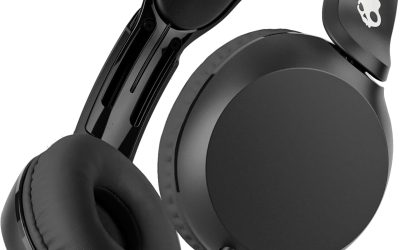
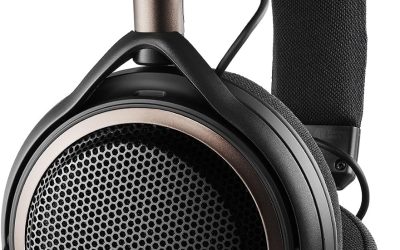
The EPOS H6Pro is the only product on this list that is truly in the open back family, and it is here for honesty rather than for gym use. The listing calls it an open acoustic gaming headset with a lightweight headband for Xbox, PS4, PS5 and PC. It is a desk style headset, and it belongs in the discussion because shoppers who type the keyword are often really looking for a headset like this.
The data highlights a few features. An open acoustic design is said to give more realistic in game audio. A proprietary speaker system aims for dynamic sound without losing accuracy. The listing also says you can hear your own voice clearly without mic monitoring, which helps you speak at a natural level. A slimmer boom arm gives smooth voice pickup, and the boom is detachable and magnetic when you want it out of the way.
This headset suits gamers, streamers and desk users who want wide, natural sound and light comfort during long sessions. For lifters, the best use case is the home office or the gaming chair before or after training, not the weight room. Open acoustic designs let room sound pass in and let sound escape, which is fine at home but not ideal around other people. That is where the wide, natural feel of an open design shines.
Be clear on the limits for the gym. A boom mic headband headset is bulky for racks and benches, it sits on the head in a way a barbell can disturb, and the listing gives no sweat or movement features. It is a console and PC headset, so do not buy it as a workout set. Pick one of the bone conduction or open ear earbud options above for training. Matching the product to the job is the smartest move here.
Genuine open acoustic design
Detachable magnetic boom mic
Works with Xbox, PS and PC
Lightweight headband
Not designed for the gym
Sound leaks in shared spaces
How to Choose the Best Open Back Headphones For Lifting
Open back, open ear and bone conduction explained
Open back headphones have grilles instead of sealed cups, so air and sound pass freely through the back of each driver. This often gives a wide, natural sound, which is why studio engineers and desk listeners like them. The cost is that sound leaks out and noise leaks in. They are also usually larger and heavier, with a headband that is not made for motion. Knowing the difference helps you shop with clear eyes and avoid the wrong gear.
Open ear products solve a different problem. Bone conduction sets send vibrations through the cheekbones, while open ear earbuds sit near the canal and aim sound inward without sealing it. Both keep your surroundings audible. When this guide says open style, it means this ear free approach, not the grille style of a studio open back. Sealed designs do the opposite and shut the room out.
Why true open backs struggle in the gym
A studio open back headphone is built for stillness. The cups are large, the headband is often sprung to a firm clamp, and the grilles are easy to dent or fill with dust. Under a loaded barbell or on a flat bench, a big headset gets pushed, pinched or knocked off. That is before you think about sound leaking to everyone nearby.
There is also a care issue. Open backs tend to be built with open grilles and soft pads that dislike moisture, and many are not designed for heavy exercise at all. If you love your desk set, keep it for the desk. For lifting, pick a lighter product made for movement, such as the open ear sets on this list.
What lifters want from open style audio
A lifter usually needs four things: a secure fit, light weight, enough battery, and awareness of the room. Awareness is important because you may share space with spotters, coaches, other lifters and moving equipment. An open ear product lets you hear a call for a rack or a warning without pausing the music. Think about how you train before you compare spec sheets and feature lists.
Sound quality matters too, but the open ear category trades some bass depth for awareness. That is fine for a workout playlist, a podcast, or a motivational talk. If you want heavy bass and full isolation, a sealed in ear set is the usual route, and you give up awareness in return. Choose the trade off that matches your goals and your gym.
Fit and stability under the bar
Stability decides whether a set works for lifting. A wraparound frame, such as the titanium frames named in several listings here, holds the transducers against the cheekbones and resists bouncing. The trade off is the band behind the neck, which can touch a barbell on certain squat positions or a pad on a bench. Fit is personal, so give yourself time to adjust before a heavy set.
Open ear earbuds avoid the neck band, but they rely on a hook, a rotating arm or an ergonomic shape to stay in place. Look for adjustability, such as the four rotating positions on the Soundcore V20i, and take a minute to check fit with your own lifts before a heavy set. Never rush this step, because a loose set is a distraction mid lift.
Sweat and water protection
Training is sweaty, so protection classes matter. In this research list, the listings state them for four products: sweat resistance for the SHOKZ OpenRun Pro, IPX7 for the CXK, IP66 for the set with the rear light, and IPX5 for the PSIER. A higher number does not always mean better for every task, but it shows the maker designed for exercise. Always confirm the class on the live page.
For the products whose listings are silent, we do not guess. Read the live page before you buy, and if you plan to wear a set through hot sessions, favor a product with a stated protection class. Wipe the set down after use and let it dry fully before it goes back in a bag. Treat any protection class as a design target rather than a promise of lifetime durability.
Battery life and charging habits
Battery needs depend on how long you train. Several bone conduction sets here state around ten hours of playtime, which covers many sessions between charges. The SHOKZ listing also mentions a five minute quick charge for up to 1.5 hours, handy if you forget to charge before leaving the house. Plan your charging around your training days so the set is never empty when you arrive.
Earbuds work differently. The Altec Lansing Sport Nano gives five hours per charge, then uses its case for three more charges, reaching 20 hours in total according to the listing. A case is convenient, but remember that each earbud still needs recharging in the case between sessions. A simple routine, such as charging after each session, keeps things easy. Charging ports and cables also vary, so keep a spare in your bag.
Bluetooth, latency and call quality
Bluetooth connection quality affects dropouts and lag. The PSIER listing states Bluetooth 6.0, a 33 foot range and 60 ms low latency, which helps when you watch video. Other listings in this guide name Bluetooth in general terms without giving a version, so assume standard behavior and check the live page for details. None of this changes the core job of keeping music playing while you train.
Call quality varies with microphone design. The Soundcore V20i lists four microphones with AI enhancement, and several bone conduction sets list a built in microphone. A gym is noisy, so for important calls it can help to step aside. Mic quality in loud rooms tends to be modest on every open ear product. Keep calls short in loud areas and rely on the mute control if the set has one.
Sound quality and bass expectations
Open style audio is not the same as sealed audio. Bone conduction in particular is tuned to be clear and aware, and bass is lighter than in a closed set. Some listings try to help, such as the SHOKZ mention of TurboPitch and the Soundcore BassUp technology, but the physics of open listening still applies. That honest framing helps you pick the right tool for the job.
For a workout, clear mids and vocals matter more than sub bass, so most lifters adapt quickly. Apps with EQ settings, like the Boean app named for the CXK and PSIER, let you nudge the sound toward a style you prefer. Keep the volume at a comfortable level, since loud listening is a risk for any headphone. Expect a clean, light presentation rather than a thumping one.
Safe volume and awareness at the gym
Open ear products are often marketed for safety because you can hear your surroundings. That is only true if you keep the volume sensible. In a loud gym it is tempting to turn the level up to cover machine noise, but that defeats the point and can cause listening fatigue. Moderate volume is the single best habit you can build with open style audio.
A good habit is to set the level so you can still hear a normal voice from a few feet away. If you have to push it higher, take a short break from audio between sets. Awareness is a feature of the design, not a guarantee, so stay alert around loaded bars and moving equipment. Your ears will thank you after long sessions.
Who should look at the EPOS H6Pro instead
The EPOS H6Pro is for a different situation. It is an open acoustic gaming headset with a detachable boom mic, built for Xbox, PlayStation and PC. If your keyword search came from a home office or gaming desk, it is a reasonable open style headset to consider, because it offers the wide feel open designs are known for. It earns its place in this guide as an honest contrast to the rest.
It is not a gym product. The headband and boom design suits a seated user, and the listing has no workout features. Buy it for the desk and pair it with a lighter set from this list for training. Many shoppers will happily own one of each, since the jobs are so different. This keeps expectations realistic and avoids a disappointing purchase.
Open ear earbuds or bone conduction frames
Bone conduction frames suit people who want maximum stability and zero ear contact. Open ear earbuds suit people who dislike a band behind the neck and want something small. Both leave the canal open, but they feel different in use, and the right answer depends on your lifts and your head shape. Both options are reasonable, so pick the one that suits your body and your lifts.
If you do heavy back work or use a lot of benches, check the neck band clearance first, or consider earbuds. If you mix running and lifting, a frame with a secure strap is easier to trust. Whichever you choose, read the live listing for sweat protection, battery and fit notes. Comfort and stability should win over any single spec on a list.
How to choose the right pair for your routine
Start with how you train. Heavy lifters who also run will like a frame with stated sweat protection, such as the SHOKZ OpenRun Pro or the CXK. Night owls and outdoor cardio fans may prefer the set with the rear light. Tech minded buyers may like the PSIER specs. Match each feature to a real need instead of paying for extras you will skip.
Then think about everyday use. If you want earbuds that double as a commuter set, look at the Soundcore V20i or the Altec Lansing Sport Nano. Always check the live listing for the latest availability, protection details and what is included in the box before you buy. A short checklist of fit, battery and protection makes the choice much easier.
Frequently Asked Questions
Are there real open back headphones for lifting?
Not really. True open back headphones are studio and desk tools that leak sound and are bulky. Lifters usually get better results from open ear bone conduction sets or open ear earbuds, which keep the ears uncovered and are built to move.
What is the difference between open back and open ear?
Open back means grilles on the outside of the ear cups so air flows through the driver. Open ear means the ear canal stays uncovered, as with bone conduction or open ear earbuds. They share the open feeling but are different designs.
Is bone conduction good for lifting?
It can be a good fit because it leaves the ears free, so you can hear a spotter or the room. Sound is lighter in bass than a sealed headphone, and a neck frame can touch a bar on some lifts, so check clearance.
Which pick has the best sweat protection?
The CXK lists IPX7 protection, the set with the rear light lists IP66, and the PSIER lists IPX5. The SHOKZ OpenRun Pro lists sweat resistance. Always read the live listing for current details before buying.
Can I use the EPOS H6Pro at the gym?
It is not a good idea. The EPOS H6Pro is an open acoustic gaming headset with a boom mic for consoles and PC. It is bulky for racks and benches and has no workout features listed.
Do open ear headphones leak sound?
Yes, they can. Bone conduction and open ear earbuds send some sound into the room, especially at higher volume. Keep the level moderate in shared spaces, and remember that other lifters may hear a loud playlist.
How long does the battery last?
Several bone conduction listings here state about ten hours of playback. The Altec Lansing Sport Nano gives five hours per charge and 20 hours with its case. Real figures change with volume, so check the live page.
Will these block gym noise?
No. Open style audio is designed to let sound in, so machines, music and talk will still be audible. If you want isolation, a sealed in ear set is the usual option, but you lose awareness of the room.
Are the headphones comfortable with a hat or hood?
Frames sit behind the ears and neck, so a cap or hood can sit over them, but fit varies. Earbuds are easier under a hood. Try your usual gear with the set early, while the return window is open.
Do prices change on these products?
Yes, prices on online listings change often, and offers come and go. That is why this guide does not quote them. Use the links to check the live price, shipping and what is included before you decide.
The Bottom Line
If you want the closest thing to open back headphones for lifting, the open ear route is the practical answer. Our top pick is the SHOKZ OpenRun Pro for its stable titanium frame, bone conduction design, sweat resistant build and ten hours of playtime.
Choose the CXK for IPX7 protection, the PSIER for Bluetooth 6.0 and low latency, or the Soundcore V20i if you prefer earbuds. Keep the EPOS H6Pro for the desk. Check the live listings for current prices and details before buying.
Updated for the 2027 buying season. Amazon listings and availability change often, so check the product page for current details.
Write Your Review
No reviews yet. Be the first to share your experience!